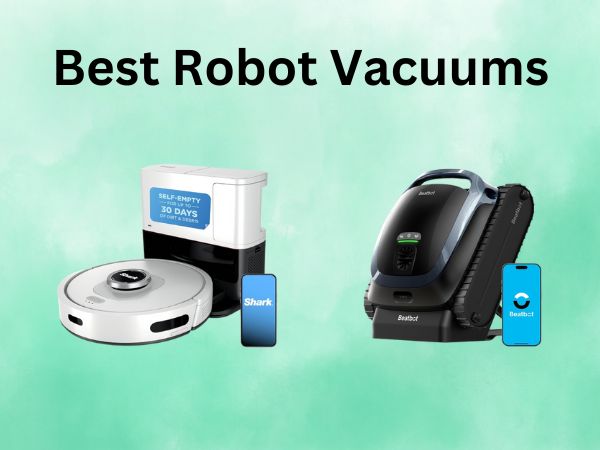
10 Best Robot Vacuums Of 2026
Let’s face it: the traditional vacuum is practically a museum piece. In our hyper-connected, time-crunched lives, who has the bandwidth for manual floor maintenance? That’s where the latest generation of robot vacuums comes in, arriving in 2026 as sleek, intelligent assistants ready to tackle dust bunnies and debris with surprising autonomy, freeing you up for literally anything else.
Our Top 3 Picks
Our Top 10 Robot Vacuum Cleaners
What Makes a Great Robot Vacuum?
Before we jump into our top picks, let’s talk about what separates the exceptional from the mediocre. A great robot vacuum isn’t just about sucking up dirt—it’s about doing it smartly, efficiently, and with minimal human intervention.
Suction Power is your first consideration. Measured in Pascals (Pa), higher numbers mean more cleaning muscle. For homes with carpets or pets, you’ll want at least 8,000Pa, though some powerhouses now reach 28,000Pa.
Navigation Technology determines whether your robot methodically cleans or bumbles around like a confused puppy. LiDAR navigation creates detailed maps and efficient cleaning paths, while basic sensors might leave your robot stuck under the couch, crying for help.
Battery Life and Coverage matter significantly. Can your robot handle your entire home on one charge? Does it automatically return to base, recharge, and resume cleaning? These features transform a good vacuum into a great one.
Self-Maintenance Features like auto-emptying dustbins, self-washing mops, and tangle-free brushes mean less work for you. After all, isn’t convenience the whole point?
How to Choose the Right Robot Vacuum
Selecting the perfect robot vacuum feels overwhelming with so many options, but breaking it down makes the decision manageable.
Assess Your Home Layout: Open floor plans work well with most models, but multi-level homes benefit from multi-floor mapping. Lots of thresholds? Look for climbing capabilities like the DREAME X50 Ultra’s ProLeap system.
Consider Your Flooring: Primarily hardwood? Any model works, but mopping features add value. Heavy carpeting demands higher suction (12,000Pa+) and carpet boost modes. Mixed flooring requires smart sensors that automatically adjust.
Evaluate Pet Ownership: Pet owners need anti-tangle brushes, powerful suction, and HEPA filtration. Models with self-cleaning brushrolls and larger dustbin capacities save headaches.
Maintenance Preference: Hate emptying dustbins? Prioritize long-capacity self-emptying bases (60+ days). Want true hands-free cleaning? Look for auto-washing mop systems and bagless designs.
Hot Mini Split AC Deals You Should Check Out Now
Maintenance Tips for Robot Vacuums
Even the smartest robots need occasional care to maintain peak performance.
Empty and Clean Regularly: Even self-emptying models need base station maintenance. Check dustbins weekly and base stations monthly. Clean sensors with a soft cloth to maintain navigation accuracy.
Brush Maintenance: Despite anti-tangle technology, inspect brushes biweekly for wrapped hair or debris. Most brushes pop out easily—a quick scissor snip keeps them spinning freely.
Filter Care: Replace or clean filters according to manufacturer recommendations, typically every 2-3 months. HEPA filters maintain allergen control only when properly maintained.
Mop Pad Attention: For mopping models, rinse or replace pads as needed. Even self-washing systems benefit from occasional manual deep cleaning to prevent buildup and odors.
Software Updates: Keep your robot’s firmware updated through the app. Updates often include navigation improvements, new features, and bug fixes that enhance performance.
Clear Your Floors: This sounds obvious, but it’s the most overlooked maintenance step. Picking up cables, socks, and small toys prevents jams and ensures efficient cleaning cycles.