How Much Do Air Purifiers Help With Dust: A Complete Guide to Clean Air
We’ve all seen them: those tiny dust particles glittering in a shaft of light, looking almost magical. Yet, beneath that illusion lies a reality where this airborne dust can be a significant irritant, fueling allergies, exacerbating respiratory conditions, and diminishing your overall comfort. The question then becomes, can air purifiers effectively combat this pervasive problem? This guide will provide a straightforward answer on their true power against household dust.
The question “how much do air purifiers help with dust” is one I hear constantly, and it deserves a thorough answer. Let me walk you through exactly what air purifiers can and cannot do for you.
Understanding What Dust Really Is
Before we dive into whether air purifiers help with dust, we need to understand what we’re actually dealing with. Dust isn’t just one thing—it’s a complex mixture of particles. When I say dust, I’m talking about dead skin cells, pet dander, pollen, textile fibers, dirt particles, and even tiny bits of insect remains. Pretty gross when you think about it, right?
The reason this matters is that different types of dust particles behave differently in the air. Some are heavy and fall quickly to surfaces. Others are incredibly light and can stay suspended in your air for extended periods, floating around like tiny unwanted visitors in your home.
Why Dust Accumulates in Your Home
Dust accumulation is basically inevitable. Your home is not a sealed environment—dust enters through open windows, doors, on your clothing, and even through your HVAC system. It’s one of those battles you can’t completely win, but you can definitely manage it better.
How Air Purifiers Actually Work Against Dust
Think of an air purifier like a bouncer for your home’s air. It pulls air in, filters out unwanted particles, and sends clean air back out. But here’s what’s important to understand: the effectiveness really depends on the type of filter technology being used.
HEPA Filters: The Gold Standard for Dust Removal
Let me be clear about something right from the start—HEPA filters are genuinely effective at capturing dust. HEPA stands for High Efficiency Particulate Air, and these filters can capture up to 99.97% of particles that are 0.3 microns or larger. That’s incredibly small, which means they’re catching particles you can’t even see.
When air passes through a HEPA filter, the particles get trapped in the dense mesh of fibers. Once trapped, they don’t escape back into your air. This is where air purifiers truly shine when it comes to dust removal.
The Science Behind HEPA Effectiveness
HEPA filters work through three mechanisms: interception, impaction, and diffusion. Essentially, particles either get stuck to the fibers as they pass nearby, crash into the fibers directly, or bounce around and eventually get trapped. It’s not flashy, but it’s remarkably effective.
Activated Carbon Filters and Pre-Filters
Most quality air purifiers don’t rely solely on HEPA filters. They typically have a pre-filter stage that catches larger dust particles first. Think of this as the first line of defense—it captures the bigger stuff before it even reaches the HEPA filter. This actually extends the life of your HEPA filter, which is important because HEPA filters can be expensive to replace.
Activated carbon filters are primarily for odors and gases rather than dust, but they’re still part of the overall system that keeps your air clean.
The Real-World Effectiveness of Air Purifiers on Dust
Here’s where I need to be honest with you: while air purifiers are effective at removing dust from the air, they’re not a complete solution on their own.
What Air Purifiers Can Actually Accomplish
- Remove airborne dust particles from the air you’re breathing
- Reduce overall dust levels in a room over time
- Help minimize dust allergies and respiratory irritation
- Trap dust before it settles on your furniture and belongings
- Improve air quality noticeably, especially in closed rooms
When you use a quality air purifier with a HEPA filter consistently, you will see and feel a difference. Your furniture will stay cleaner longer, you’ll find yourself dusting less frequently, and if you suffer from dust allergies, you’ll likely experience relief.
The Limitations You Should Know About
- Air purifiers cannot clean dust that’s already settled on surfaces
- They work best in closed rooms where air circulation is controlled
- Their effectiveness depends heavily on the Air Changes Per Hour (ACH) rating
- They won’t help if dust keeps entering through open windows and doors
- They require regular filter maintenance to remain effective
Think of it this way: an air purifier is like having a cleaning crew that handles the air, but it doesn’t dust your shelves or vacuum your floors. You still need to do those things, but the air purifier significantly reduces how often you need to do them.
Understanding the ACH Rating and Its Impact on Dust Removal
One of the most overlooked factors when evaluating air purifier effectiveness is the ACH rating, which stands for Air Changes Per Hour. This number tells you how many times the air purifier cycles all the air in a room through its filters in one hour.
What ACH Rating Means for Dust
If a room is 300 square feet and your air purifier has an ACH of 4, that means the air in that room is being completely filtered four times per hour. This is generally considered the minimum for effective dust removal. An ACH of 5 or higher is better, while an ACH of 2 or lower will have minimal impact on dust levels.
The challenge is that many air purifier manufacturers don’t make this information easy to find. You have to do some digging, but it’s worth your effort.
Calculating the Right Size for Your Room
Here’s a practical tip: match your air purifier’s CADR rating (Clean Air Delivery Rate) to your room size. If you’re buying an air purifier for a 400-square-foot living room, you need one with a CADR rating appropriate for that size. Buying a purifier rated for a 200-square-foot room is essentially wasting your money—it won’t cycle the air fast enough to make a real difference.
Dust Reduction Timeline: What to Expect
You’re probably wondering how long it takes to notice a difference. The timeline varies, but here’s what you can generally expect:
First Few Days
In the first week of using a new air purifier, you might start to notice the air feels fresher. You might not see dramatic dust reduction yet, but the improvement in air quality is noticeable to many people.
First Two to Four Weeks
This is when things get interesting. After running your air purifier continuously for two to four weeks, you’ll likely notice that your furniture stays cleaner longer. You’ll need to dust your shelves less frequently, and the overall dust in your home will visibly decrease. If you have dust allergies, this is often when you experience noticeable relief.
One to Three Months
By this point, the cumulative effect becomes undeniable. Your home will be noticeably less dusty than it was before. That layer of dust that used to accumulate on your TV screen within days? It might now take weeks. Your breathing will likely feel easier, and the air will genuinely feel cleaner.
Combining Air Purifiers With Other Dust Control Methods
Here’s something crucial: air purifiers work best as part of a comprehensive dust control strategy, not as a standalone solution.
Complementary Dust Control Techniques
- Regular vacuuming with HEPA-filter equipped vacuums
- Dusting surfaces with microfiber cloths that trap particles
- Maintaining proper humidity levels (30-50% is ideal)
- Using washable furnishings instead of heavy fabric that traps dust
- Keeping windows closed during high pollen seasons
- Regular HVAC filter changes
- Removing shoes when entering your home
When you combine an air purifier with these methods, you’re creating a multi-layered defense against dust. The air purifier handles airborne particles while your other efforts prevent more dust from entering and accumulating in the first place.
The Humidity Connection
Did you know that humidity levels affect how much dust you’ll experience? When air is too dry, dust particles become lighter and float around more easily. When humidity is too high, it can actually encourage dust mites. The sweet spot is between 30% and 50% humidity, and maintaining this range actually makes air purifiers more effective.
Special Considerations for Different Room Types
The effectiveness of air purifiers varies depending on where you use them. Let me break this down for you.
Bedrooms
Air purifiers are exceptionally effective in bedrooms because you’re spending 6-8 hours there sleeping. Running a quiet air purifier throughout the night can dramatically reduce the dust you’re exposed to while sleeping. You’ll likely wake up with clearer sinuses and experience fewer nighttime allergy symptoms.
Living Rooms
In open-concept living spaces, air purifiers work well but you might need a larger unit or multiple units depending on the size. The key is ensuring good airflow throughout the space.
Home Offices
If you’re working from home, an air purifier in your office can improve focus and reduce fatigue from breathing dusty air all day. This is one of the most underrated applications for air purifiers.
Basements and Attics
These areas tend to be dustier naturally. An air purifier can help, but addressing the root causes (like inadequate ventilation or moisture problems) is equally important.
Maintenance: The Key to Sustained Dust Removal
Here’s something many people overlook: an air purifier’s effectiveness drops significantly if you don’t maintain it properly.
Filter Replacement Schedule
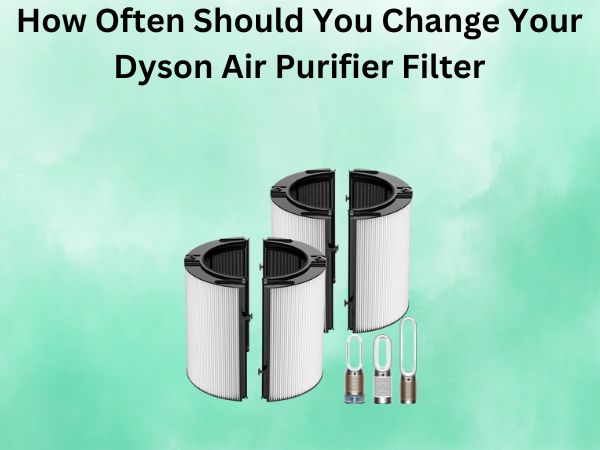
Pre-filters typically need replacement every 1-3 months depending on how dusty your environment is. HEPA filters usually last 6-12 months. If you live in a particularly dusty area or have pets, these timelines might be shorter.
A clogged filter is essentially useless. It can’t pull air through effectively, so dust doesn’t get removed from your air. Think of it like trying to breathe through a straw that’s almost completely blocked—it just doesn’t work.
Cleaning Your Air Purifier Exterior
Dust accumulates on the outside of air purifiers too. Wipe down the exterior monthly with a damp cloth to keep it functioning optimally.
Cost-Benefit Analysis: Is an Air Purifier Worth It for Dust?
Let’s talk money for a moment. A quality HEPA air purifier typically costs between $200 and $800 for a decent model. Then you have ongoing filter replacement costs of around $50-150 per year.
Is this worth it? If you suffer from dust allergies, if you have pets, if you live in a dusty urban area, or if you simply want a cleaner, healthier home environment—yes, absolutely. The cost is quickly offset by reduced allergy symptoms, fewer respiratory issues, and the improved quality of life.
If dust is just a minor annoyance and you don’t have health concerns, then perhaps investing in better vacuum cleaner and regular cleaning habits might be more cost-effective.
Common Misconceptions About Air Purifiers and Dust
Misconception 1: Air Purifiers Clean Everything
They don’t. They only clean the air that passes through them. Dust on surfaces remains dust on surfaces.
Misconception 2: One Air Purifier Cleans Your Whole House
Unless your house is very small, you’ll need multiple units or very powerful units strategically placed.
Misconception 3: Expensive Purifiers Are Always Better
Price doesn’t always equal effectiveness. The right size and HEPA filter matter more than brand name or price tag.
Misconception 4: You Don’t Need to Clean If You Have an Air Purifier
This is completely false. You still need to vacuum, dust, and clean. The air purifier just reduces how often you need to do these things.
The Bottom Line on Air Purifiers and Dust
So, how much do air purifiers help with dust? They help significantly, but they’re not magic. A quality HEPA air purifier running continuously in a room-sized space can reduce airborne dust by up to 99%, which means you’ll experience noticeably cleaner air, fewer dust allergies, and less frequent dusting of your belongings.
What makes them genuinely effective is consistent use with proper maintenance. When you commit to running your air purifier regularly and replacing filters on schedule, you’ll see measurable improvements in your home’s air quality and dust levels.
Conclusion
The question of how much air purifiers help with dust doesn’t have a simple yes or no answer. What I can tell you is that if you’re looking for a practical, science-backed way to reduce dust in your home, an air purifier with a true HEPA filter is one of your best options. It won’t eliminate dust entirely—nothing will—but it can dramatically reduce the amount of dust floating through your air and settling on your belongings.
The key to success is choosing the right size unit for your space, maintaining it properly by replacing filters regularly, and combining it with other dust control methods like regular cleaning and proper humidity management. When you approach dust control holistically rather than relying on an air purifier alone, you’ll create a genuinely cleaner, healthier home environment.
If you suffer from allergies, have respiratory issues, or simply want to breathe easier, an investment in a quality air purifier is likely to be one of the best decisions you can make for your home’s air quality. Just go in with realistic expectations, maintain your unit properly, and you’ll absolutely see the difference.
Frequently Asked Questions
How long does it take for an air purifier to remove dust from a room?
The timeline depends on your air purifier’s ACH rating and the dust level in your room. Typically, a quality HEPA air purifier can noticeably reduce airborne dust within the first week, with significant improvements visible within 2-4 weeks of continuous use. Some people report feeling relief from dust-related symptoms within days, especially those with dust allergies.
Do air purifiers help with dust mites?
HEPA air purifiers can capture dust mite waste particles and dead dust mites that are floating in the air, but they won’t eliminate dust mites from your bedding or furniture. For