How Much Is an Air Purifier? A Complete Pricing Guide for 2024
Curious about how much an air purifier costs? You’re definitely not alone! With growing awareness of indoor air quality, many households are exploring their options. The reality is, air purifier pricing isn’t one-size-fits-all, and this guide will clarify the factors that influence what you’ll pay.
Think of shopping for an air purifier like shopping for a car—you can find options at every price point, from budget-friendly models to high-end machines that cost a small fortune. The question isn’t just “how much is an air purifier?” but rather “how much should you spend on one that actually meets your needs?” Let’s dive into this together.
Understanding the Air Purifier Market
The air purifier market has exploded over the past few years, and with that growth comes tremendous variety in pricing. You’ll find everything from simple tabletop units costing less than a nice dinner out to sophisticated whole-home systems that rival the price of a used vehicle. But here’s what’s important to understand: price doesn’t always equal quality or effectiveness.
When manufacturers set their prices, they consider several factors including filtration technology, room coverage area, brand reputation, and additional features. Some companies charge premium prices for their brand name alone, while others offer incredible value through less-known manufacturers. The key is understanding what you’re actually paying for.
The Range of Air Purifier Prices
So what’s the actual price range you should expect? Air purifiers can cost anywhere from around 30 dollars to over 4,000 dollars. That’s a massive spread, and it reflects the diversity of this market. Most people shopping for a basic, functional air purifier will spend somewhere between 100 and 500 dollars, which actually covers a huge range of quality options.
Budget-Friendly Air Purifiers: Under 150 Dollars
Let’s start with the budget end of things. If you’re price-conscious and just want to test whether an air purifier makes a difference in your home, this category might be perfect for you. These entry-level units typically cost between 30 and 150 dollars.
What You Get at This Price Point
Budget air purifiers usually come with basic HEPA filtration, which can capture particles like dust, pollen, and pet dander. They’re designed for smaller rooms, usually between 100 and 300 square feet. Don’t expect fancy features like app connectivity, multiple fan speeds, or air quality sensors. You’re getting the essentials here.
- Simple on/off switches or basic controls
- Standard HEPA filter replacement needed every 6-12 months
- Quiet operation suitable for bedrooms
- Lightweight and portable design
- Energy efficient power consumption
Trade-Offs to Consider
When you’re spending under 150 dollars, you’re making compromises. The filtration might not be as thorough, the motors might not be as powerful, and the filters might need replacing more frequently. These units also typically cover smaller spaces, so if you have a large living room, you might need multiple units.
Mid-Range Air Purifiers: 150 to 500 Dollars
This is where most people land when shopping for air purifiers, and honestly, this range offers excellent value. You’re looking at units that cost between 150 and 500 dollars, and you’ll notice a significant jump in quality and features compared to budget models.
What Makes These Models Worth the Investment
Mid-range air purifiers are where manufacturers really start to pack in value. You’ll get better filtration systems, larger room coverage, and more convenient features. Many models in this range include:
- Multi-stage filtration systems with HEPA plus activated carbon
- Coverage for rooms up to 400-600 square feet
- Multiple fan speed settings
- Air quality indicators or sensors
- Filter replacement reminders
- Sleeker designs that look good in your home
- Whisper-quiet operation modes
Popular Features in This Range
You’ll start seeing Smart features emerge here. Many mid-range models now include WiFi connectivity, allowing you to control your purifier from your smartphone. Some have real-time air quality displays showing you exactly what’s being filtered out. A few even include ionizers or UV light technology as bonus features.
Premium Air Purifiers: 500 to 1,500 Dollars
Moving into the premium category brings you closer to what enthusiasts and health-conscious families consider the sweet spot. These units, priced between 500 and 1,500 dollars, represent serious investment in air quality.
Advanced Technology and Performance
At this price point, you’re getting genuinely advanced technology. We’re talking about systems that can handle larger spaces, filter air multiple times per hour, and eliminate a wider variety of pollutants including odors, chemicals, and even some viruses.
- Advanced multi-stage filtration with specialized filters for different pollutants
- Coverage for rooms up to 800-1200 square feet
- Smart home integration with Alexa or Google Home
- Real-time air quality monitoring and reporting
- Mobile app control with detailed analytics
- Automatic fan speed adjustment based on air quality
- Extended filter life reducing replacement frequency
- Whisper-quiet operation at all speeds
Brand Recognition Matters Here
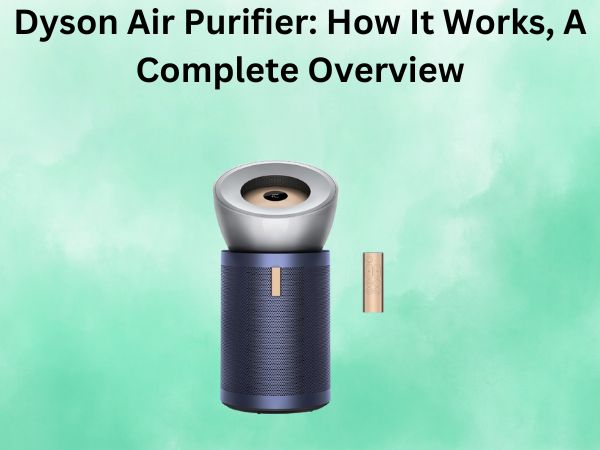
In the premium category, you’re definitely paying for established brands like Dyson, IQAir, and Levoit. These companies have built their reputations on quality and innovation. The question you need to ask yourself is whether the premium price justifies the features you’re getting compared to solid mid-range options.
Luxury Air Purifiers: Over 1,500 Dollars
Then we have the luxury category. These high-end air purifiers, costing 1,500 dollars and upward, are designed for people who want the absolute best or need to purify large commercial spaces.
Who Actually Buys These?
Honestly, most residential customers won’t need to spend this much. Luxury units are typically purchased by people with severe allergies or respiratory conditions, large homes over 2,000 square feet, or businesses that need commercial-grade air purification. Some people also choose these models simply because they can afford them and want the best available technology.
What Separates Luxury Models
These machines use medical-grade filtration, cover enormous spaces, and often include multiple units working as a system. They might include advanced sensors that detect and report dozens of different pollutants, professional installation services, and warranty coverage that rivals insurance policies.
Factors That Influence Air Purifier Pricing
Now that you understand the price ranges, let’s talk about what actually drives these prices. Understanding these factors will help you make smarter purchasing decisions.
Room Coverage Area
This is huge. An air purifier designed for a small bedroom will be significantly cheaper than one designed for a large open-concept living area. Manufacturers often measure this in square feet, so pay attention to CADR (Clean Air Delivery Rate) ratings. A unit covering 600 square feet will generally cost more than one covering 300 square feet because it requires a more powerful motor and larger filtration system.
Filtration Technology
Not all HEPA filters are created equal. Basic HEPA filters cost less but need replacement more often. True HEPA filters meeting strict standards cost more but last longer. Add activated carbon, ionizers, or UV light technology, and you’re looking at higher prices. Medical-grade filtration used in luxury models is substantially more expensive.
Smart Features and Connectivity
WiFi capability, mobile apps, voice control integration, and real-time air quality monitoring all add to the cost. If you don’t care about controlling your purifier from your phone, you can save a significant amount of money by choosing a model without these features.
Brand Reputation
Established brands with proven track records typically charge more. Are they worth it? Sometimes yes, sometimes no. You’re often paying for reliability, customer service, and warranty coverage. Newer brands might offer better value, but you’re taking a slight risk with an unknown entity.
Filter Lifespan and Replacement Costs
Here’s something people often overlook: the total cost of ownership includes filter replacements. Some cheap units require new filters every few months, costing 30 to 50 dollars each. Premium units might have filters lasting 2 years or more. Do the math on replacement costs before deciding based on initial price alone.
Build Quality and Materials
Budget models often use cheap plastics that feel flimsy. Mid-range and premium models use better materials, have better build quality, and simply feel more substantial. This durability extends the lifespan of your investment.
How to Find the Right Air Purifier for Your Budget
So how do you actually determine what to spend? Let me walk you through a practical approach.
Step One: Assess Your Needs
Ask yourself these questions: What size is the room you want to purify? Do you have allergies or respiratory issues? Do you have pets? Are you worried about odors? Do you want smart features? Are you looking for something for one room or your whole home? Your answers to these questions will guide your budget.
Step Two: Calculate the Real Cost
Don’t just look at the purchase price. Factor in filter replacement costs over a few years. A 200-dollar unit with expensive filters might cost more long-term than a 400-dollar unit with affordable filters. Do the math.
Step Three: Read Real User Reviews
This is crucial. Read reviews from actual owners, not just manufacturer marketing. People will tell you whether units are loud, whether filters clog quickly, and whether air quality really improves. Look for patterns in the reviews rather than individual outliers.
Step Four: Compare Warranty and Support
Longer warranties and responsive customer support add value. A 500-dollar unit with a 5-year warranty and great support might be better than a 400-dollar unit with a 1-year warranty and mediocre support.
Special Considerations for Specific Situations
For People with Severe Allergies
If you or someone in your home has serious allergies, you probably should invest in at least the mid-range category. The extra filtration quality is genuinely worth it. You might also consider multiple units for different rooms.
For Pet Owners
Pet owners benefit tremendously from air purifiers because they handle pet dander so effectively. You don’t necessarily need the most expensive model, but you do want one with good activated carbon to handle odors. Budget around 200-400 dollars for a solid pet-friendly option.
For Whole-Home Solutions
If you want to purify your entire home, you have two options: buy a high-powered unit for 1,000-2,000 dollars, or buy multiple smaller units for different rooms. Two 300-dollar units might actually work better than one 600-dollar unit because they’re placed strategically throughout your home.
Money-Saving Tips When Buying Air Purifiers
Want to get the best value for your money? Here are some practical strategies:
- Buy during sales events like Black Friday when prices drop 20-40 percent
- Consider refurbished models from reputable manufacturers at 20-30 percent discounts
- Check if your insurance or health savings account covers air purifiers for medical reasons
- Buy extra filters when purchasing the unit if they’re on sale
- Look for warranty extensions that might be cheaper upfront
- Compare subscription filter delivery services to see if they offer discounts
Common Mistakes People Make When Budgeting
I’ve seen people make these mistakes repeatedly, so let me help you avoid them. First, don’t assume the cheapest option is automatically bad or that the most expensive is automatically best. Second, don’t ignore filter costs—they’re ongoing expenses. Third, don’t underestimate room size; if you guess wrong, you’ll end up buying another unit anyway. Fourth, don’t skip reading reviews just because a price seems right. And finally, don’t forget about return policies; make sure you can return the unit if it doesn’t meet your expectations.
The Value Proposition at Different Price Points
Let me give you my honest assessment of value at each price tier. Budget units (under 150 dollars) represent good value if you have a small bedroom and low expectations. Mid-range units (150-500 dollars) offer the best overall value for most people—you get solid performance without excessive spending. Premium units (500-1,500 dollars) make sense if you have larger spaces or specific health concerns. Luxury units (over 1,500 dollars) are excellent if you can afford them and want the absolute best, but they’re not necessary for most households.
Conclusion
So, how much is an air purifier? The answer really depends on your specific situation, but most people will find excellent options between 200 and 500 dollars. Don’t let price alone drive your decision—consider the size of the space you’re treating, your specific air quality concerns, how often you’ll need to replace filters, and whether smart features matter to you. The right air purifier is one that actually improves your air quality and fits comfortably within your budget while accounting for long-term maintenance costs. Take your time comparing options, read reviews from real users, and don’t hesitate to invest a bit more if it means better health outcomes for your family. Remember, the cheapest option isn’t always the most economical when you factor in everything, and the most expensive isn’t always necessary for your needs. Find your sweet spot, and you’ll have made a smart decision.
Frequently Asked Questions
What is the average price of a decent air purifier?
Most people spend between 200 and 400 dollars on a decent air purifier that will effectively improve their indoor air quality. This price range gives you access to solid filtration, reasonable room coverage, and reliable performance without unnecessary luxury features. Of course, you can spend less or more depending on your specific needs and preferences.
Do expensive air purifiers really work better than cheap ones?
Generally, you get what you pay for, but the relationship isn’t always linear. A 500-dollar air purifier will likely outperform a 100-dollar one, but a 1,500-dollar unit might only be marginally better than a 600-dollar unit. The most important factor is whether the unit’s room coverage matches your space. An expensive unit that’s oversized for your room won’t be much better than a modestly-priced one that’s correctly sized.
Are filter replacement costs significant?
Yes, they absolutely are. A basic air purifier might need filters replaced every 3-4 months at 20-40 dollars per filter. Over a year, that could total 60-160 dollars beyond your initial purchase. Premium units with longer-lasting filters might only need replacement annually at 60-100 dollars. Calculate these costs before purchasing to understand the true cost of ownership.