How Often Do You Change the Filter on an Air Purifier: A Complete Guide
If you prioritize clean indoor air in your home, chances are you’ve already invested in an air purifier. But here’s the crucial part: owning the device is only the beginning. Its true effectiveness in keeping your home healthy relies on proper maintenance. One of the most common questions we encounter is: ‘How often should I change my air purifier filter?’ The answer is more nuanced than you might expect, and we’re here to guide you through every detail.
Understanding Air Purifier Filters and Why They Matter
Think of your air purifier filter like the lungs of your home’s air system. Just as your lungs work overtime in a polluted city, your air purifier filter captures dust, allergens, pet dander, and other particles floating around your space. Over time, these filters become clogged and lose their effectiveness. When that happens, you’re essentially running an air purifier that’s just pushing air around without actually cleaning it.
The filters in modern air purifiers are designed to trap microscopic particles using various technologies like HEPA filtration, activated carbon, and ionization. But they’re not magical—they have a lifespan, and when they’re full, they need replacing.
What Types of Filters Do Air Purifiers Use?
Before we talk about replacement schedules, it’s helpful to understand the different filter types. Most air purifiers use a combination of filters working together in layers.
- Pre-filters: These catch larger particles like dust and pet hair
- HEPA filters: The real workhorses that trap 99.97% of particles 0.3 microns or larger
- Activated carbon filters: These absorb odors and gases
- UV-C filters: Some purifiers use ultraviolet light to kill bacteria and viruses
Each of these filters has its own replacement timeline, which we’ll discuss in detail.
The General Rule: Replacement Frequency Guidelines
So how often should you actually change your air purifier filter? Most manufacturers recommend replacing the main filter every six to twelve months. But that’s a general guideline, not a one-size-fits-all answer. Think of it like changing your car’s oil—sometimes you need it sooner, sometimes later, depending on usage.
The real answer depends on several factors specific to your situation. Let me break down what influences how frequently you’ll need replacements.
Factors That Affect Filter Replacement Frequency
Your household is unique, and your air purifier maintenance needs should reflect that. Here are the main factors that determine how often you’ll be changing filters.
Air Quality in Your Area
If you live in an area with heavy pollution, smoke from nearby fires, or high pollen counts, your filter will clog much faster than someone living in a pristine mountain town. Urban dwellers typically need to replace filters more frequently than rural residents. It’s not fair, but it’s the reality.
The Size of Your Space
Are you running your air purifier in a small bedroom or a large open-concept living area? A purifier working overtime in a bigger space will need filter changes sooner. If your purifier is undersized for your room, it’s working harder and collecting particles faster.
Number of People in Your Home
More people means more skin cells, more dust, and more general air contamination. A family of five will have faster-filling filters than a single person living alone. It’s simple math—more traffic equals more particles in the air.
Pets in Your Home
Do you have a dog or cat? Pet owners need to change their air purifier filters significantly more often than non-pet owners. Pet hair and dander are major culprits in filter clogging. If you have a shedding breed, expect to replace filters more frequently.
Smoking and Indoor Activities
If anyone in your home smokes indoors, your filters will fill up much faster. Similarly, if you cook frequently, especially if you like high-heat cooking that generates grease particles and smoke, this will impact filter life. Candles and incense also contribute to faster filter saturation.
How Often You Run Your Purifier
Obviously, if you run your air purifier 24/7, the filter will need replacing sooner than if you only run it a few hours daily. Some people run theirs only when needed, while others keep it running constantly. Your usage pattern directly affects replacement frequency.
Specific Replacement Schedules for Different Filter Types
Now that you understand the variables, let’s get specific about each filter type and its typical lifespan.
Pre-Filter Replacement Schedule
Pre-filters are the first line of defense, and they catch the biggest particles. The good news? Many pre-filters are washable and reusable, so you don’t always need to replace them. Most manufacturers recommend cleaning your pre-filter every two to four weeks, depending on air quality in your area.
If your pre-filter isn’t washable, replace it every three to six months. Since pre-filters are usually inexpensive, keeping them clean extends the life of your more expensive HEPA filter underneath.
HEPA Filter Replacement Schedule
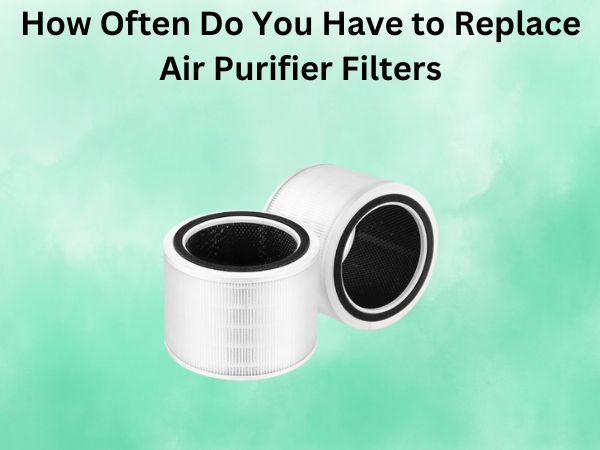
The HEPA filter is the star player of your air purifier, and it’s also the most expensive to replace. Most HEPA filters last between six and twelve months under normal conditions. However, in high-pollution areas or homes with pets, you might need to replace them every three to six months.
Here’s something important: HEPA filters cannot be washed or cleaned effectively. Unlike pre-filters, they need to be replaced, not restored. Attempting to clean a HEPA filter can damage its delicate fibers and reduce effectiveness.
Activated Carbon Filter Replacement Schedule
Activated carbon filters absorb odors and gases, but they have a limited capacity. Once saturated, they can’t absorb anymore. Depending on how many odors and gases your air contains, activated carbon filters typically last three to six months, sometimes up to a year in cleaner environments.
If you notice your purifier isn’t eliminating cooking smells or pet odors as effectively as it once did, your carbon filter probably needs replacing.
Ionizer and UV-C Filter Maintenance
If your air purifier has an ionizer or UV-C light, these don’t need replacement as often. UV-C bulbs typically last about 8,000 to 10,000 hours of use. Ionizers don’t wear out in the traditional sense, though they may need cleaning. Check your specific model’s manual for details.
How to Tell When Your Filter Needs Changing
Rather than relying solely on time-based replacements, pay attention to your purifier’s warning signs. Modern air purifiers are pretty good at telling you when they need help.
Visual Filter Inspection
Take a look at your filter every month or so. Most HEPA filters start white or light gray and gradually turn dark gray or brown as they collect particles. If your filter looks heavily discolored, it’s time for a replacement. A clogged filter also restricts airflow, making your purifier work less efficiently.
Filter Replacement Indicator Lights
Many modern air purifiers have built-in sensors that detect when the filter is saturated. These trigger indicator lights or alerts on your device. Some purifiers even send notifications to your smartphone. These indicators are your air purifier’s way of saying “hey, help me out here.”
Reduced Air Output and Noise Changes
A clogged filter forces your purifier’s motor to work harder, which often results in increased noise. If your once-quiet purifier is suddenly sounding like a small jet engine, the filter is probably the culprit. Also notice if the air output seems weaker than usual.
Lingering Odors
If cooking smells or pet odors aren’t being eliminated as effectively as before, your activated carbon filter has likely reached its saturation point and needs replacement.
Creating a Maintenance Schedule That Works for You
Instead of randomly remembering to check your filter, why not create a system that keeps you on track?
Mark Your Calendar
When you replace a filter, mark your calendar for three months later as a reminder to check it. This gives you time to assess whether it needs replacing sooner. Setting quarterly reminders ensures you never completely forget about maintenance.
Subscribe to Replacement Filters
Many manufacturers and retailers offer subscription services for replacement filters. You can choose the frequency that makes sense for your situation, and fresh filters arrive at your door automatically. This eliminates the guesswork and ensures you always have replacements on hand.
Keep Spare Filters on Hand
It’s incredibly frustrating to realize your filter needs replacing but you don’t have a replacement available. Keep at least one spare filter of each type in your home. It’s better to have it and not need it than to need it and not have it.
Cost Considerations and Budget Planning
Air purifier filters are an ongoing expense, and understanding the costs helps with budgeting.
HEPA filters typically cost between thirty and one hundred dollars per replacement, depending on the brand and model. Activated carbon filters range from fifteen to fifty dollars. Pre-filters are usually the least expensive, often costing just five to twenty dollars per replacement.
If you’re changing filters every six months, plan on spending at least one hundred to two hundred dollars annually on maintenance. This might sound like a lot, but consider it an investment in your health. Clean air is worth the expense.
Common Mistakes People Make With Air Purifier Filters
Let me share some mistakes I’ve seen people make that compromise their air purifier’s effectiveness.
Waiting Too Long Between Replacements
Some people think they can stretch filter life indefinitely by just running their purifier on high. This doesn’t work. An overloaded filter becomes nearly useless and puts unnecessary strain on the motor.
Attempting to Clean HEPA Filters
I understand the temptation to save money by washing and reusing HEPA filters, but this damages them. Only the pre-filter should be cleaned and reused. HEPA filters have delicate fibers that collapse when wet, ruining their effectiveness.
Buying Generic Replacement Filters
Third-party filters might be cheaper, but they often don’t fit properly or perform as effectively as genuine replacements. Stick with manufacturer-recommended filters to ensure proper fit and performance.
Ignoring the Indicator Lights
If your purifier has a filter change indicator, pay attention to it. These sensors are calibrated by the manufacturer and know when your filter has reached saturation. Ignoring them defeats the purpose of having them.
Tips for Extending Filter Life
While you can’t avoid eventually replacing filters, you can extend their life with smart practices.
- Keep your home as clean as possible through regular vacuuming and dusting
- Use high-efficiency vacuum cleaners with HEPA filters themselves
- Minimize indoor sources of pollution like smoking and excessive cooking
- Clean or replace pre-filters regularly
- Keep your air purifier in a location where it can draw air freely
- Don’t block vents or keep the purifier in cramped spaces
- Run the purifier at appropriate speed for your room size
Different Recommendations Based on Your Situation
Let me give you some personalized guidance based on your specific circumstances.
For Allergy Sufferers
If you have severe allergies, you probably want your air as clean as possible. Consider changing your HEPA filter every three to four months and check your activated carbon filter monthly. Don’t skimp on maintenance in this situation.
For Pet Owners
Pet hair and dander are major filter killers. Plan on replacing your main filter every three to six months and your pre-filter every month. You might also benefit from a purifier with a dedicated pet filter.
For Smokers or Those in Polluted Areas
Heavy pollution demands frequent maintenance. Replace HEPA filters every three months and activated carbon filters every one to two months. Your health is worth the extra investment.
For General Households
If you live in a relatively clean area with no pets or smokers, you can follow the manufacturer’s standard recommendations of replacing the main filter every six to twelve months.
Conclusion
So, how often do you change the filter on an air purifier? The honest answer is that it depends on your unique situation, but most people should replace their main HEPA filter every six to twelve months. Pre-filters might need cleaning every few weeks and replacement every few months. Activated carbon filters typically last three to six months.
The best approach is to establish a maintenance routine that works for your household. Pay attention to your air purifier’s indicator lights, visually inspect your filters regularly, and don’t wait for performance to suffer before making replacements. Think of it as preventive health care for your home’s air quality. By staying on top of filter maintenance, you’ll ensure your air purifier continues doing what it’s designed to do: keep your indoor air clean and healthy.
Remember, the goal isn’t just to own an air purifier—it’s to keep it working at peak efficiency. That means regular filter changes are non-negotiable. Your lungs will thank you.
Frequently Asked Questions
Can I wash and reuse my air purifier filters?
Pre-filters are often washable and can be reused multiple times. You can gently vacuum or rinse them with water. However, HEPA filters should never be washed, as this damages the delicate fibers that trap particles. HEPA filters are designed for single use and must be replaced when full. Activated carbon filters are also not reusable and must be replaced. Always check your specific manufacturer’s instructions, as some filters have special care requirements.
What happens if I don’t change my air purifier filter?
A clogged filter that isn’t replaced will significantly reduce your air purifier’s effectiveness. The filter becomes so full of particles that it can’t trap new ones, meaning pollutants and allergens pass right through. Additionally, a saturated filter forces the motor to work harder, causing increased noise and energy consumption. Eventually, the motor may become damaged from overwork, potentially rendering your entire unit unusable. For your health and your purifier’s longevity, regular filter replacement is essential.
How do I know which replacement filter I need for my air purifier?
The easiest way is to check your air purifier’s model number, usually found on a sticker on the back or bottom of the unit. Write this down and search for it on the manufacturer’s website or call their customer service. You can also look in your original manual if you still have it. Most manufacturers offer replacement filter kits specifically designed for their models. Avoid generic filters, as they may not fit properly or perform as effectively as genuine replacements.
Is it worth buying a more expensive air purifier if it has longer-lasting filters?
This depends on your priorities and budget. Some premium air purifiers do have larger filters that last