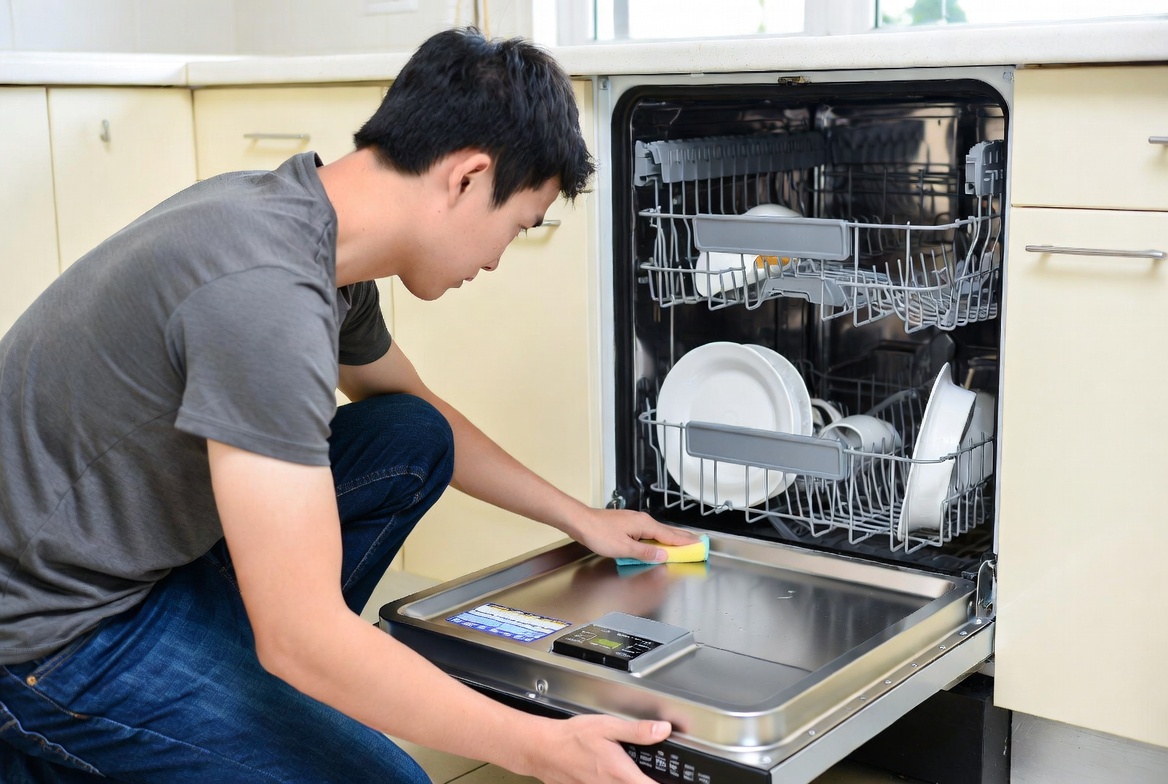
How to Drain a GE Dishwasher With Standing Water: A Complete Guide
There’s nothing more frustrating than opening your GE dishwasher after a cycle only to find it sitting in a pool of murky water. You’re standing there wondering, “Why isn’t this thing working?” and more importantly, “How do I fix it without calling an expensive technician?” Well, you’re in the right place. I’ve been there too, and I’m going to walk you through exactly how to drain that standing water from your GE dishwasher and get it back to working like new.
Understanding Why Your GE Dishwasher Has Standing Water
Before we jump into the fix, let’s talk about why this happens in the first place. Your dishwasher isn’t just being stubborn—there’s usually a legitimate reason behind that standing water. Think of your dishwasher’s drainage system like a highway: if something blocks the road, traffic backs up. The same principle applies here.
Common Culprits Behind Standing Water
The most common reasons you’ll find standing water in your GE dishwasher include a clogged drain filter, a blocked drain hose, or issues with the drain pump itself. Sometimes it’s as simple as food particles stuck in the wrong place, and other times it’s something slightly more complex. Let me break down the main suspects:
- Clogged drain filter catching debris
- Kinked or blocked drain hose
- Malfunctioning drain pump
- Clogged kitchen sink drain affecting backflow
- Faulty check valve preventing proper drainage
- Food buildup in the sump area
Preparing Your Dishwasher for Drainage
Now that we understand the problem, let’s get your dishwasher ready for some troubleshooting. Safety first—you don’t want to accidentally start a cycle or get shocked, so we need to take a few precautions.
Safety Steps Before You Begin
Always unplug your dishwasher or turn off the circuit breaker before you start any maintenance work. I know it seems like an obvious step, but it’s absolutely crucial. You’re about to be working with water and electrical components, and that’s not a combination you want to mess with. Next, place some towels around the base of your dishwasher because water will spill—that’s not a question of if, but when.
What You’ll Need to Gather
- Towels or old rags (lots of them)
- A bucket or basin to catch water
- A wet/dry vacuum if you have one
- Rubber gloves
- A flashlight
- Needle-nose pliers
- A pipe wrench or adjustable wrench
- A manual for reference (optional but helpful)
Step-by-Step Guide to Draining Your GE Dishwasher
Alright, let’s get down to business. I’m going to walk you through the actual draining process, step by step, so you can tackle this like a pro.
Remove the Bottom Rack
Open your dishwasher and pull out the bottom rack completely. This gives you clear access to the sump area at the bottom of the machine. The sump is basically the collection point where all the water drains from the wash and rinse cycles. You might already see standing water sitting there, looking rather unpleasant.
Locate and Clean the Drain Filter
Now you’re going to find the drain filter, which typically sits in the center of the bottom. In most GE models, there’s a cylindrical filter basket that you can twist counterclockwise to remove. This is often the culprit behind standing water. Food particles, grease, and debris accumulate here over time, effectively blocking water from draining out.
Once you’ve removed the filter, hold it under running water and rinse it thoroughly. Use an old toothbrush to scrub away any stubborn particles. You’d be amazed at what can hide in there—pieces of food, labels from containers, even small fragments of dishes. Clean it until the water runs clear and the holes are completely unobstructed.
Check the Sump Area
With the filter removed, take your flashlight and peer into the sump area. Use your wet/dry vacuum or a small cup to manually remove as much water as possible from this spot. This is where most of your standing water is concentrated, and we need to get it out to access the drain properly.
While you’re down there, check for any obvious debris or blockages. Sometimes you’ll find a piece of plastic or a fragment that shouldn’t be there. Remove anything you can reach safely. If there’s still significant water present and you don’t have a wet/dry vacuum, a small cup or baking pan works surprisingly well for scooping it out.
Inspect the Drain Hose
Next, you need to locate your dishwasher’s drain hose. This is the flexible hose that carries water from your dishwasher to either your garbage disposal, sink drain, or directly to your home’s plumbing. The hose usually exits from the back or side of the unit and is typically made of rubber or plastic.
Check if the hose is kinked or twisted, which is one of the most common reasons for drainage problems. If it’s kinked, straighten it out gently. Look along its entire length for any obvious blockages. Sometimes a clog forms within the hose itself, restricting water flow. If you suspect this is your problem, you might need to disconnect the hose and run water through it to clear it out.
Disconnecting the Drain Hose
If the hose is blocked, you’ll need to disconnect it. Make sure you’ve turned off the water supply and have towels ready because there’s usually water trapped inside the hose. Use your wrench to loosen the connection at both ends, or simply use your hands if the connections are loose enough. Once disconnected, you can use your fingers, a plumbing snake, or even a straightened wire coat hanger to fish out any debris. Run water through the hose to flush it clean, and reinstall it securely.
Addressing the Drain Pump
If you’ve cleaned the filter and checked the hose and water is still sitting in your dishwasher, the problem might be with the drain pump itself. This is the component that actually forces water out of your machine.
How to Test Your Drain Pump
Here’s something interesting: if your drain pump is working, you should hear it humming during the drain cycle. Does your dishwasher make any noise when it’s supposed to be draining? If it’s completely silent, that’s a red flag. A working drain pump produces a distinctive sound—it’s a low, gentle humming that tells you water is being pumped out.
To test this, run your dishwasher on the drain-only cycle if your model has one, or start a full cycle and listen closely during the drain phase. You’re listening for that gentle hum. No sound usually means the pump isn’t running, which could be an electrical issue or a mechanical failure.
Clearing Pump Blockages
Sometimes the pump itself gets blocked by debris that made it past the filter. To check this, you’ll need to access the pump, which typically sits beneath the filter basket. In most GE dishwashers, there’s a pump housing you can remove, but this varies by model. If you’re not comfortable doing this yourself, this is the point where calling a professional might be worth considering, as pump replacement can be tricky and you don’t want to damage other components.
Checking Your Kitchen Sink Drain
Here’s something many people don’t realize: your dishwasher drain and your kitchen sink drain are often connected. If your kitchen sink is draining slowly or backing up, it could cause water to back up into your dishwasher. This is especially true if you have a garbage disposal that’s clogged or functioning improperly.
Try plunging your kitchen sink vigorously, or use a drain snake to clear any blockages in the pipes. You might be surprised to find that once you clear the sink drain, your dishwasher drains perfectly.
Manual Draining Methods
If your dishwasher still has standing water and you need it empty right now, there are manual draining methods you can use while you work on the actual problem.
Using a Wet/Dry Vacuum
This is honestly the fastest method. Simply place the vacuum’s hose into the standing water and turn it on. Modern wet/dry vacuums handle this easily, and you can remove all the water in just a few minutes. This is particularly useful if you need to see the bottom of the dishwasher more clearly to diagnose the problem.
The Manual Cup Method
If you don’t have a vacuum, grab a cup or small bowl and scoop the water out into a bucket. Yes, it’s tedious, but it works. I’ve done this myself, and while it’s not glamorous, it gets the job done. You’ll want those towels nearby because you’re inevitably going to spill some water on the floor.
Preventive Maintenance to Avoid Future Problems
Once you’ve solved the standing water issue, let’s make sure it doesn’t happen again. Prevention is always easier than dealing with problems after the fact.
Regular Filter Cleaning
Make it a habit to clean your drain filter every month. This is the single best thing you can do to prevent standing water issues. It takes five minutes and prevents hours of frustration. Simply twist it out, rinse it under running water, and put it back.
Scrape Your Dishes
I know your dishwasher is supposed to handle dirty dishes, but there’s a difference between normal food residue and chunks of food. Scrape off larger pieces before loading the machine. This reduces the burden on your drain system and keeps debris from accumulating in filters and hoses.
Run Your Garbage Disposal
Before running your dishwasher, turn on your garbage disposal for a few seconds. This ensures the drain line is clear and ready to accept water from your dishwasher. It’s a simple habit that can prevent countless problems.
Check the Drain Hose Regularly
Every couple of months, take a look at your drain hose to ensure it isn’t kinked or twisted. Over time, the hose can shift slightly, and small kinks can develop. Catching these early prevents them from becoming major blockages.
When to Call a Professional
Sometimes, despite your best efforts, you’re going to need professional help. There’s no shame in that. Your dishwasher is a complex appliance, and some issues require specialized knowledge or tools.
Call a technician if you’ve cleaned the filter, checked the hose, and the water is still sitting there. This likely means the pump has failed or there’s an electrical issue that’s beyond basic troubleshooting. Also, if you notice water leaking from your dishwasher during normal operation, don’t try to fix that yourself—water leaks can damage your kitchen cabinets and flooring, so professional help is worth the cost.
Understanding Your GE Dishwasher’s Drainage Cycle
To better troubleshoot future issues, it helps to understand how your dishwasher actually drains. During the wash cycle, water fills the tub and your dishes get cleaned. During the rinse cycle, more water is introduced and then drained. Finally, during the final drain phase, any remaining water is forced out through the drain pump.
This entire process should take about 30 seconds to a minute. If your dishwasher is taking significantly longer to drain, or if it’s not draining at all, something is definitely blocking the flow. Remember, water wants to flow downhill—if it’s not doing that, something is stopping it.
Troubleshooting Common GE Models
Different GE models have slightly different configurations, but the basic principles remain the same. If you have a GE Profile model, the filter might be accessed differently than a standard GE model. Some newer models have more accessible pumps, while older models require more disassembly. Check your specific model’s manual if you’re unsure about any steps.
The good news is that most common drainage issues are fixable by homeowners. It’s usually the filter or the hose, and both of those are straightforward to address. Even if you’re not particularly handy, you can tackle these problems with just a little patience and the right approach.
Conclusion
Standing water in your GE dishwasher is frustrating, but it’s usually fixable without calling an expensive technician. Start by removing and cleaning the drain filter—this solves the problem in the majority of cases. If that doesn’t work, check your drain hose for kinks or blockages, and make sure your kitchen sink drain isn’t backing up. In rare cases, you might need to address the drain pump itself, but by that point, you’ve eliminated the most common culprits and narrowed down the problem significantly.
Remember, the key to preventing future issues is regular maintenance. Clean that filter monthly, scrape your dishes before loading them, and check your drain hose occasionally. These simple steps will keep your dishwasher running smoothly for years to come. With the steps I’ve outlined, you should be able to diagnose and fix the problem yourself, saving time and money while restoring your dishwasher to working order.
Frequently Asked Questions
Why does my GE dishwasher drain so slowly?
Slow draining is typically caused by a partially clogged filter or a slight kink in the drain hose. Start by removing and thoroughly cleaning the drain filter under running water. If that doesn’t improve drainage speed significantly, check the entire length of your drain hose for kinks or twists. You should also ensure your kitchen sink drain isn’t slow, as this affects your dishwasher’s drainage. In many cases, running your garbage disposal for a few seconds before starting your dishwasher helps tremendously with drainage speed.
Is standing water in a dishwasher dangerous to my health?
Standing water that’s been sitting in your dishwasher can develop bacteria and mold, which isn’t ideal. However, it’s not immediately dangerous as long as you don’t consume it. The bigger concern is that stagnant water can damage your dishwasher and create odors. The water itself is from your own plumbing system, so it’s not inherently toxic, but you definitely want to address the drainage problem quickly to prevent bacterial growth and unpleasant smells from developing inside your appliance.
Can a kinked drain hose cause permanent damage to my dishwasher?
A kinked hose won’t cause permanent damage in most cases, but it will cause drainage problems and can eventually weaken the hose material through stress. The hose itself might need replacement if it’s been kinked for a long time, but your dishwasher’s internal components should be fine. Once you straighten the hose and restore proper drainage, your dishwasher should return to normal operation. If you notice the hose is cracked or leaking after straightening it, that’s when you’ll need to replace it.
How often should I clean my dishwasher’s drain filter?
Ideally, you should clean your drain filter once a month, though some people with less frequent dishwasher use might get away with quarterly cleaning. If you load your dishwasher daily or run it frequently, monthly cleaning is definitely your best bet. Think of it like changing your car’s air filter—regular maintenance prevents problems.