How to Drain Fresh Water Tank RV: A Complete Guide for Every RV Owner
If you’re an RV enthusiast, you’ve probably wondered about the best way to drain your fresh water tank without making a mess or damaging your vehicle. Whether you’re preparing for winter storage, dealing with contaminated water, or simply doing routine maintenance, knowing how to properly drain your RV’s fresh water tank is essential knowledge that every RV owner should have in their toolkit.
Let me be honest with you—draining a fresh water tank might sound intimidating if you’ve never done it before, but it’s actually one of the most straightforward maintenance tasks you can perform on your RV. Think of it like taking care of your health; a little preventative maintenance now saves you from major headaches down the road.
Understanding Your RV Fresh Water Tank
Before we dive into the actual draining process, let’s talk about what we’re working with here. Your RV’s fresh water tank is basically the heart of your water system. It’s where all your drinking, cooking, and cleaning water comes from, so keeping it clean and well-maintained is crucial for your health and comfort on the road.
What Is a Fresh Water Tank?
Your RV fresh water tank is a storage container, typically made from food-grade plastic, that holds clean drinking water. Unlike your greywater or blackwater tanks, which collect wastewater, your fresh water tank is completely separate and dedicated to providing you with potable water. Most RV fresh water tanks range from 40 to 100 gallons, depending on your RV’s size and class.
Why Regular Draining Matters
You might be asking yourself, “Why do I need to drain my fresh water tank regularly?” Great question! There are several compelling reasons why this maintenance task is so important. If you leave water sitting in your tank for extended periods, it can become stagnant and develop an unpleasant odor or taste. Additionally, sediment and mineral buildup can occur over time, potentially affecting your water quality and clogging your water lines.
During winter months, if you live in a cold climate, water left in your tank can freeze and expand, potentially cracking the tank or damaging your entire water system. That’s why winterization, which includes draining your fresh water tank, is absolutely essential if you plan to store your RV in freezing temperatures.
When Should You Drain Your Fresh Water Tank?
Knowing the right time to drain your tank is just as important as knowing how. Let me walk you through the main scenarios where draining becomes necessary.
Seasonal Storage and Winterization
If you’re planning to store your RV during the winter months, draining your fresh water tank is absolutely non-negotiable. When water freezes, it expands, and this expansion can crack your tank, burst your water lines, and damage your water pump. I’ve heard horror stories from RV owners who skipped this step, and trust me, the repair costs are astronomical compared to spending an hour doing preventative maintenance.
Extended Travel or Storage
If you’re leaving your RV parked for more than a few weeks, you should consider draining your fresh water tank. Extended periods of water sitting in your tank can lead to bacterial growth and water quality issues. Even if it’s not winter, stagnant water isn’t something you want to drink from when you return to your RV.
Water Quality Issues
Sometimes you might notice that your water tastes funny, smells off, or looks discolored. These are clear signs that something’s wrong with your water system. Draining your tank completely and flushing it out is often the first step in resolving these issues.
Tank Maintenance and Cleaning
If you’re planning to clean the inside of your fresh water tank thoroughly, you’ll obviously need to drain it first. Over time, algae, sediment, and mineral deposits can accumulate inside your tank, so periodic cleaning is a good maintenance practice.
Tools and Materials You’ll Need
Before you get started, let’s make sure you have everything you need. Gathering your supplies beforehand means you won’t have to stop halfway through the process to hunt for something you forgot.
- A fresh water tank drain valve wrench or socket (size depends on your RV model)
- A bucket or large container to catch the water
- A length of hose (optional but helpful)
- Gloves to keep your hands clean
- Towels or rags for cleanup
- Your RV’s manual for specific drain valve locations and procedures
- A water pump bypass kit (if you plan to winterize)
- RV antifreeze (for winter storage)
- A wrench or pliers for any connections
Don’t worry if you don’t have all of these items. The basics—a bucket and the proper wrench—are really all you absolutely need to get started.
Step-by-Step Guide to Draining Your Fresh Water Tank
Now let’s get down to the actual process. I’m going to walk you through this like I’m standing right there beside you, because honestly, this is way simpler than most people think it is.
Step 1: Locate Your Fresh Water Tank Drain Valve
The first thing you need to do is find where your fresh water tank drain valve is located. In most RVs, you’ll find it underneath the vehicle, typically near the fresh water tank. Consult your RV manual if you’re unsure—it’ll have a diagram showing exactly where everything is. On some RVs, the drain valve might be inside a compartment under the RV, so you might need to get down on your hands and knees with a flashlight to locate it.
Step 2: Prepare Your Drainage Area
Position your bucket underneath the drain valve before you open it. Trust me on this—you don’t want fresh water all over your hands and the ground. If you have a hose, you can attach it to the drain valve to direct the water more efficiently. Some people even position their RV so the water drains away from sensitive areas or into an appropriate drainage location.
Step 3: Open the Low Point Drain Valves
Most RVs have low point drain valves, which are separate from the main fresh water tank drain valve. These allow water to drain from the supply lines throughout your RV. Open these first—you’ll typically find them near your water heater and under the RV. Opening these helps ensure that all the water in your system drains out, not just what’s in the main tank.
Step 4: Open the Fresh Water Tank Drain Valve
Using the appropriate wrench or socket, carefully turn the fresh water tank drain valve counterclockwise. Don’t force it—if it’s stuck, apply a bit of penetrating oil and wait a few minutes. Once the valve opens, water will start flowing out. Some valves are simple turn-handles, while others require a wrench. Every RV is different, so refer to your manual for your specific valve type.
Step 5: Turn On All Your Faucets
Here’s a trick that makes the draining process faster: turn on all the faucets inside your RV. This creates air vents that allow your tank to drain more quickly instead of creating a vacuum that slows the process down. Open your kitchen sink, bathroom sink, and shower completely. You’ll be amazed at how much faster the water flows out.
Step 6: Empty the Water Heater
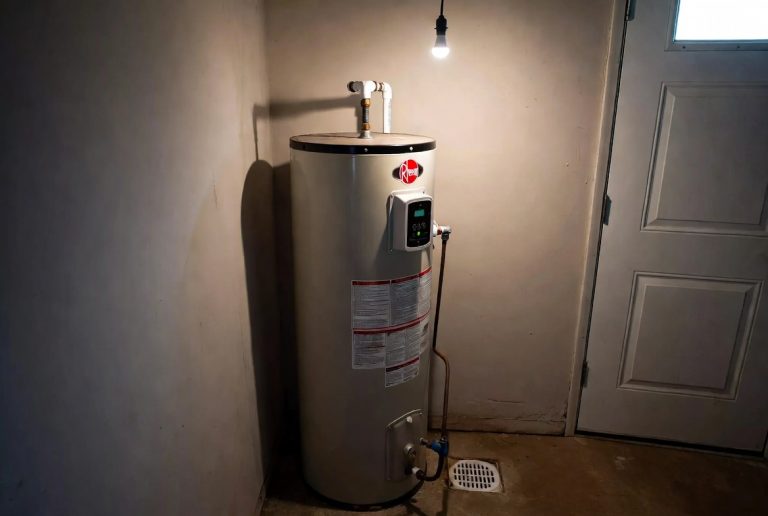
If your RV has a water heater, it holds water too. Most water heaters have their own drain plug located at the bottom of the unit. Open this as well to completely drain your system. Some RVs have the water heater drain integrated into the low point drains, so check your manual to be sure.
Step 7: Wait for Complete Drainage
Be patient and let gravity do its work. Depending on your tank size, this could take anywhere from 15 to 45 minutes. Resist the urge to rush this process. While you’re waiting, you can clean up your supplies or prepare for the next steps in winterization if that’s what you’re doing.
Step 8: Close All Valves and Faucets
Once the water has finished draining, close the fresh water tank drain valve by turning it clockwise. Close all the faucets you opened earlier, and make sure any low point drain valves are also closed securely. Don’t overtighten these valves—snug is good, but you don’t want to strip the threads.
Common Mistakes to Avoid
Even though draining a fresh water tank is relatively straightforward, there are a few pitfalls that can trip up even experienced RV owners. Let me share some wisdom I’ve picked up.
Forgetting About Low Point Drains
Many RV owners make the mistake of only opening the main fresh water tank drain and forgetting about the low point drains. Water can still remain trapped in your water lines and heater, which defeats the purpose of draining everything for winter storage. Always drain every possible location.
Not Using Proper Tools
Using the wrong size wrench or tool can damage your drain valve, and these aren’t always cheap to replace. Check your manual and use the correct tool. If you don’t have it, it’s worth purchasing or borrowing one rather than causing damage.
Overtightening Drain Valves
When you close the drain valve, make it snug but don’t crank on it with all your might. These valves have delicate threads, and overtightening can cause leaks or make it impossible to open next time. Hand-tight, with maybe a quarter turn extra, is usually perfect.
Neglecting to Open Faucets
Forgetting to open your faucets while draining can slow the process significantly and potentially damage your tank. The air pressure that builds up when you don’t vent the system can create a vacuum that prevents proper drainage.
Additional Winterization Steps
If you’re draining your fresh water tank as part of winterization, there are a few additional steps you should take after draining.
Using RV Antifreeze
After draining, many RV owners add RV-specific antifreeze to their system to protect against any remaining water that might freeze. This is different from automotive antifreeze and is specifically formulated to be safe if ingested. You’ll need to run this antifreeze through all your lines until it comes out of every faucet, ensuring complete protection.
Bypass Your Water Heater
If you’re adding antifreeze, bypass your water heater using a water heater bypass kit. This prevents antifreeze from filling your water heater tank, which would be wasteful and unnecessary. The bypass kit is inexpensive and easy to install.
Refilling Your Fresh Water Tank
When you’re ready to use your RV again, refilling is just as important as draining. Here’s what you need to know.
Flushing Out Antifreeze
If you winterized with antifreeze, you’ll need to flush your entire system thoroughly before refilling with drinking water. Run water through every faucet and fixture until the antifreeze smell is completely gone. This is important for both safety and the taste of your water.
Fresh Water Tank Cleaning
Before refilling for the season, consider cleaning your tank. You can add a special tank cleaning solution, let it sit, and then thoroughly rinse it out. This removes any buildup and ensures your water is as clean as possible.
Running Your Water System
Once refilled, turn on your water pump and run water through all your faucets to prime the system and remove any air from the lines. This ensures you’re getting clean, fresh water and that your system is functioning properly.
Troubleshooting Drainage Problems
What if things don’t go as smoothly as planned? Here are some common issues and how to solve them.
Drain Valve Won’t Open
If your drain valve is stuck, apply penetrating oil like WD-40 around the valve and let it sit for 30 minutes. Try again gently. If it’s still stuck, you might need to call a professional rather than risk breaking the valve.
Water Drains Very Slowly
This usually means you didn’t open your faucets or that air can’t get into the tank. Make sure all faucets are open and that your tank vent is clear. You might also have a clogged vent, which is more common than you’d think.
Leaking Drain Valve
If your drain valve leaks when closed, the seal might be worn out. This is usually fixable by tightening the valve slightly, but if that doesn’t work, you may need a replacement valve.
Conclusion
Draining your fresh water tank is one of those essential RV maintenance tasks that seems more intimidating than it actually is. Once you’ve done it once or twice, you’ll realize it’s a straightforward process that any RV owner can handle. Whether you’re winterizing your RV for the cold months ahead, preparing for extended storage, or simply maintaining your water system, knowing how to properly drain your fresh water tank will save you money on repairs and ensure your RV is always in top condition.
The key is to be thorough, take your time, and remember to open all the drain valves and faucets. Don’t rush the process, and always consult your RV’s manual for any model-specific details. By following the steps outlined in this guide, you’ll protect your investment and enjoy years of trouble-free RV adventures. Happy travels, and here’s to a well-maintained water system!
Frequently Asked Questions
How often should I drain my RV fresh water tank?
You should drain your fresh water tank at least once a year before winter storage if you live in a cold climate. Additionally, drain it if you notice water quality issues, if you’re storing your RV for extended periods, or if you’re performing maintenance on your water system. Some RV owners prefer to drain and refill their tanks every few months as part of their regular maintenance routine to ensure the freshest water possible.
Can I drain my fresh water tank during winter?
Absolutely, and in fact, you should drain it during winter if you’re storing your RV in freezing temperatures. Leaving water in your tank during winter is actually one of the most dangerous things you can do, as frozen water expands and can cause thousands of dollars in damage. Make sure to drain completely and consider adding RV antifreeze to all your water lines for extra protection.
What’s the difference between a fresh water tank drain and low point drains?
The fresh water tank drain empties your main storage tank, while low point drains are located at the lowest points of your water supply lines throughout the RV. When you drain your system, you need to open both the main tank drain and all low point drains to ensure that all water is removed from your entire system, not just the tank itself.
Do I need special tools to drain my fresh water tank?
Most fresh water tanks drain with either a simple hand valve that requires no tools or a valve that needs a standard wrench or socket. The specific tool depends on your RV model, so consult your manual. Generally, you won’t need any specialized equipment—just the proper-sized wrench, which costs less than fifteen dollars