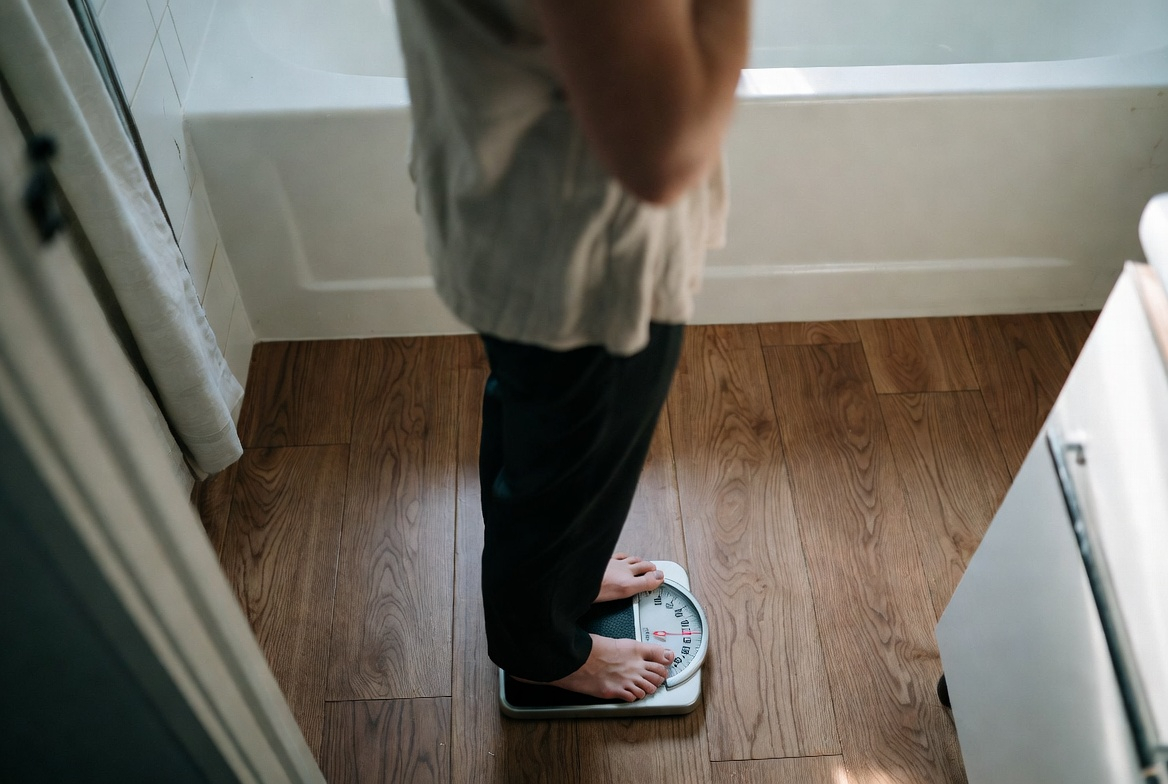
How to Drop Water Weight Quickly and Safely: A Comprehensive Guide
Understanding Water Weight: What You Need to Know
Have you ever stepped on the scale and wondered why you gained five pounds overnight when you didn’t eat that much? Chances are, you’re dealing with water weight. Water weight isn’t fat, and that’s the crucial distinction most people miss. Your body can hold onto water for numerous reasons, ranging from hormonal fluctuations to dietary choices. Think of water retention like a sponge—your body’s tissues can absorb and hold water based on various internal and external factors.
What Exactly is Water Weight?
Water weight refers to the fluid your body stores in your cells and tissues. Unlike fat, which accumulates slowly over time through excess calories, water weight can appear and disappear relatively quickly. Your body is approximately 60 percent water, and this percentage fluctuates daily depending on what you eat, how much you exercise, and even your hormonal cycle. When your body holds onto excess water, it’s usually a temporary situation that can be reversed with the right approach.
How Much of Your Weight Could Be Water?
The amount of water weight you’re carrying varies from person to person, but most people can safely drop between two to five pounds of water weight in a week. Some people might see results faster, while others take a bit longer. The key is understanding that this isn’t permanent weight loss in the traditional sense, but it can make you feel lighter, less bloated, and more confident.
Why Does Your Body Retain Water?
Hormonal Fluctuations
One of the biggest culprits behind water retention is hormonal changes. If you’re a woman, you’ve probably noticed that your weight fluctuates throughout your menstrual cycle. The hormone estrogen peaks during certain phases of your cycle, causing your body to hold onto more water. This is completely normal and nothing to worry about. Your body is essentially preparing itself naturally, and this extra water weight typically disappears once your hormones rebalance.
Sodium Intake and Diet Choices
When you consume excessive salt, your kidneys work to maintain the right balance of sodium and water in your bloodstream. To dilute the extra sodium, your body holds onto water. Processed foods are notorious for their high sodium content—a single restaurant meal can contain more salt than you should consume in an entire day. Additionally, eating refined carbohydrates causes a similar effect because carbs cause your body to store water for energy metabolism.
Lack of Physical Activity
Sedentary lifestyles contribute to water retention because your muscles help pump fluid through your body. When you’re inactive, fluid tends to pool in your tissues, particularly in your legs and feet. This is why people who sit at desks all day often notice swelling in their ankles by evening.
Dehydration Paradox
Here’s something that might surprise you: not drinking enough water actually causes your body to retain more water. When you’re chronically dehydrated, your body enters conservation mode and holds onto every drop of fluid it can get. It’s counterintuitive, but true. Your body is essentially saying, “I don’t know when I’ll get water again, so I’m keeping what I have.”
Water Weight Versus Fat Weight: The Critical Difference
Understanding the difference between water weight and actual fat loss is essential because it affects your expectations and approach. Water weight loss is rapid but temporary, while fat loss is slower but permanent. When you see celebrities or athletes lose ten pounds in a week, they’re primarily losing water weight, not fat. Fat loss, on the other hand, requires a caloric deficit over time and is typically a pound or two per week at most.
How to Drop Water Weight Quickly: Proven Strategies
Increase Your Water Intake Dramatically
This might seem backward, but drinking more water is one of the fastest ways to reduce water retention. When you flood your system with water, your kidneys recognize that water is abundant and reduce the amount they’re holding onto. Aim to drink at least half your body weight in ounces daily, and even more if you’re trying to drop water weight quickly. If you weigh 150 pounds, that means drinking 75 ounces of water per day as a baseline, then increasing it further.
Some people find success drinking a gallon or more of water daily for a short period. Your body will adapt by becoming more efficient at filtering and eliminating water, which is exactly what you want. You’ll likely make more frequent bathroom trips, but this is a sign that the process is working.
Reduce Sodium Consumption Significantly
Cutting sodium is one of the fastest ways to see results. Start reading food labels carefully because sodium hides in unexpected places. Even foods labeled as healthy often contain substantial amounts of salt. Here’s what you should do:
- Avoid processed foods, canned goods, and deli meats
- Don’t add salt to your cooking or meals
- Choose fresh fruits and vegetables over packaged alternatives
- Season foods with herbs, spices, and lemon juice instead
- Eat whole grains and lean proteins you prepare yourself
Within just two to three days of significantly reducing sodium, most people notice a noticeable difference in how they look and feel. Your face becomes less puffy, your rings fit better, and you generally feel less bloated.
Minimize Refined Carbohydrate Intake
Refined carbohydrates like white bread, pasta, and sugary foods cause your body to store water. Each gram of carbohydrate holds about three grams of water. When you reduce carb intake, you’re essentially telling your body it doesn’t need to store extra water for quick energy. Focus on whole grains, vegetables, and lean proteins instead. This shift will help you drop water weight rapidly while also supporting more sustainable weight loss goals.
Increase Physical Activity and Sweating
Exercise is a powerful tool for losing water weight because it makes you sweat, which eliminates water from your body. However, the benefits go deeper than just perspiration. Regular movement improves circulation, helping your body distribute and process fluids more efficiently. Aim for a combination of cardio and strength training.
Cardiovascular exercise like running, cycling, or swimming increases your heart rate and causes you to sweat. Strength training builds muscle, which helps your body process fluids better. Even moderate activity like brisk walking for 30 minutes daily can make a significant difference.
Pay Attention to Potassium and Magnesium
Electrolytes play a crucial role in fluid balance. Potassium and magnesium help your kidneys regulate water retention. Foods rich in potassium include bananas, sweet potatoes, spinach, and avocados. Magnesium is found in almonds, pumpkin seeds, dark chocolate, and leafy greens. By consuming adequate amounts of these minerals, you support your body’s natural fluid regulation processes.
Some people find that supplementing with these minerals accelerates water weight loss, but getting them from food is always preferable when possible.
Optimize Your Sleep Schedule
Poor sleep quality and insufficient sleep disrupt your hormones and make water retention worse. When you’re sleep deprived, your body produces more cortisol, a stress hormone that promotes water retention. Additionally, lack of sleep affects the hormones that regulate fluid balance. Aim for seven to nine hours of quality sleep nightly. You’ll notice that after a few good nights of sleep, your body naturally releases excess water.
Manage Stress Effectively
Stress triggers the release of cortisol, which causes your body to retain water and salt. When you’re stressed, your body prepares for a fight-or-flight response, which includes conserving water. Finding ways to manage stress through meditation, yoga, deep breathing exercises, or simply spending time outdoors can significantly reduce water retention. Even 10 minutes of daily meditation can make a measurable difference.
The Role of Caffeine: Friend or Foe?
How Caffeine Affects Water Retention
Caffeine acts as a mild diuretic, meaning it encourages your kidneys to produce more urine, which can help you shed water weight. However, this effect is modest and temporary. Some people swear by drinking coffee or tea to help with water weight loss, while others find that caffeine disrupts their sleep, which counteracts any benefits.
If you choose to use caffeine, do so in moderation and earlier in the day so it doesn’t interfere with sleep. Keep in mind that excessive caffeine can also increase stress and cortisol levels, which works against your water weight loss goals.
Supplements: What Actually Works?
Natural Diuretics to Consider
Certain supplements and herbs have diuretic properties, though their effects are typically mild. These include:
- Dandelion root extract
- Hibiscus tea
- Ginger
- Green tea
- Cranberry extract
While these options are generally safe, they’re not magic solutions. They work best when combined with the other strategies mentioned in this article. Always consult with a healthcare provider before starting any new supplement, especially if you’re taking medications.
Avoid Unproven and Dangerous Products
Stay away from extreme diuretics or “water pills” unless prescribed by a doctor. These can be dangerous and lead to electrolyte imbalances, dehydration, and other health complications. Stick with natural, safe approaches that support your body’s normal processes rather than forcing dramatic changes.
Timeline: How Quickly Can You Drop Water Weight?
Most people can expect to see results within 24 to 48 hours of implementing these strategies. The first few days typically yield the most dramatic changes because your body is responding to the immediate reduction in sodium and refined carbs. By the end of a week, many people report losing anywhere from two to seven pounds of water weight.
However, individual results vary based on your starting point, genetics, and how strictly you follow these guidelines. Don’t expect linear results—some days you might lose more, and other days you might plateau temporarily.
Common Mistakes That Sabotage Your Water Weight Loss
Drastically Restricting Water Intake
Some people make the mistake of drinking very little water thinking it will help them lose water weight faster. This backfires because dehydration signals your body to hold onto every drop of fluid, actually worsening water retention. You need adequate hydration to lose water weight effectively.
Overdoing Diuretics
Taking excessive amounts of diuretic supplements or drinks can lead to dehydration, electrolyte imbalances, and kidney stress. More isn’t better in this case. Stick to moderate, evidence-based approaches.
Not Adjusting Expectations
Remember that water weight loss is temporary. If you return to old eating habits immediately after dropping water weight, it will come back just as quickly. Use this as an opportunity to establish healthier long-term habits rather than viewing it as a permanent solution.
Ignoring Individual Factors
What works for your friend might not work identically for you. Your hormones, metabolism, activity level, and health conditions all play roles. Be patient with yourself and adjust strategies as needed.
When Should You Consult a Healthcare Professional?
While occasional water retention is normal, persistent or severe water retention might indicate an underlying health condition. Consult a doctor if you experience sudden, unexplained bloating, swelling that doesn’t improve with these strategies, or swelling accompanied by other symptoms like shortness of breath or chest pain. Certain medications, thyroid issues, kidney problems, and heart conditions can cause water retention that requires medical attention.
Sustainable Habits for Long-Term Success
Once you’ve successfully dropped water weight, maintaining your results requires sticking with the habits that got you there. Continue drinking adequate water, keeping sodium intake moderate, staying active, sleeping well, and managing stress. These aren’t short-term fixes—they’re foundations for overall health and wellness. The bonus is that these habits will also support sustainable fat loss and improved energy levels.
Conclusion
Dropping water weight quickly is entirely possible when you understand what causes water retention and implement the right strategies. By increasing water intake, reducing sodium and refined carbohydrates, exercising regularly, getting quality sleep, and managing stress, you can see noticeable results within days. Remember that water weight loss is temporary and differs from fat loss, so use this period as motivation to establish healthier long-term habits. The fastest approach combines multiple strategies simultaneously rather than relying on any single method. Be patient with yourself, stay consistent, and you’ll achieve your water weight loss goals safely and effectively.
Frequently Asked Questions
How much water weight can I safely lose in one week?
Most people can safely lose between two to five pounds of water weight per week when using the strategies outlined in this article. Some may lose more initially, but the rate typically slows after the first few days. The exact amount depends on your starting point, how much excess water your body was retaining, and how strictly you follow the dietary and lifestyle recommendations. Anything beyond five pounds per week might indicate excessive fluid loss, so moderate your approach if you’re experiencing more dramatic changes.
Is it dangerous to lose water weight quickly?
Losing water weight through the natural methods described in this article is generally safe for most healthy adults. However, rapid water weight loss becomes dangerous when it involves extreme dehydration, excessive diuretics, or severe electrolyte imbalances. The approach recommended here—increasing water intake while reducing sodium—is safe because it works with your body’s natural processes rather than against them. If you have existing health conditions, especially heart, kidney, or thyroid issues, consult your doctor before making significant changes.
Will the water weight come back immediately after I stop these strategies?
Water weight can return relatively quickly if you immediately return to your old habits of high sodium intake, excessive refined carbs, and poor sleep. However, if you maintain the healthier habits even partially, you’ll likely keep most of the water weight off. Think of it as establishing a new baseline. Many people find that once they experience how good they feel with less water weight, they’re motivated to keep up at least some of the changes permanently, which prevents the water weight from returning completely.
Can I lose water weight and fat weight simultaneously?
Absolutely, and this is actually an ideal scenario. The strategies that help you lose water weight—eating whole foods, reducing processed foods, exercising regularly, and managing stress—also support fat loss. While you’ll see immediate results from water weight loss, continuing these habits long-term will lead to sustainable fat loss. The water weight loss gives you quick motivation, while the gradual fat loss provides lasting results. Think of water weight loss as the appetizer and fat loss as