How Long Can a Fresh Turkey Keep in the Refrigerator for Safe Storage
Wondering how long can a fresh turkey keep in the refrigerator before it’s time to cook or freeze it? You’re not alone—food safety questions pop up for every home chef, especially during holiday prep. Keeping a turkey fresh isn’t just about flavor; it’s a matter of health, too.
Anyone who’s ever hosted a big family meal knows the stress of timing everything just right. For example, Sarah bought her turkey three days before Thanksgiving, only to realize she wasn’t sure if it would still be safe to roast on the big day. Knowing the right storage window can make all the difference.
With years of culinary expertise and a clear understanding of food safety standards, this guide highlights exactly how long you can keep that fresh turkey chilling in your fridge. You’ll get straightforward advice, easy-to-remember tips, and a simple checklist to avoid last-minute surprises.
Ready to keep your meal plans on track? Let’s map out the safe storage timeline for your fresh turkey and ensure your feast goes off without a hitch.
Understanding Fresh Turkey Storage Guidelines
Proper handling is crucial when storing a fresh turkey in the refrigerator. According to USDA recommendations, a fresh, raw turkey should be used within 1 to 2 days of purchase if kept at or below 40°F (4°C). This time frame helps reduce the risk of harmful bacterial growth, such as Salmonella or Campylobacter, which thrive at warmer temperatures.
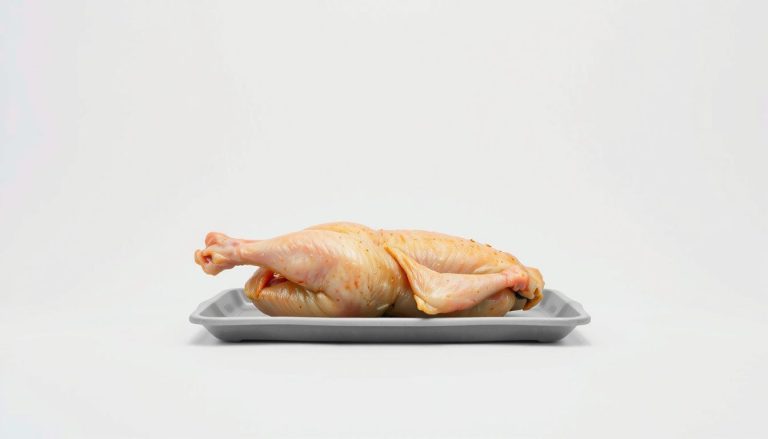
Store the turkey in its original packaging on a tray or plate to prevent juices from contaminating other foods. The coldest section of the refrigerator—typically the bottom shelf at the back—is ideal for storage.
For example, if someone purchases a fresh turkey on Monday for a Thursday meal, it is safest to freeze it if it will not be cooked within two days. This rule ensures both food safety and quality, especially during the busy holiday season when refrigerators are often crowded.
Factors That Affect Turkey Shelf Life in the Refrigerator
Several factors can shorten or extend how long a fresh turkey keeps in the refrigerator. The most significant is temperature consistency; the turkey must remain at 40°F (4°C) or lower. Frequent opening of the refrigerator door allows warm air in, raising the overall temperature and increasing spoilage risk.
Other variables include:
- Packaging integrity: Damaged or opened packaging exposes the turkey to air and bacteria, shortening its shelf life.
- Refrigerator load: An overfilled fridge may prevent proper air circulation, causing uneven cooling.
- Location in fridge: Placing the turkey near the door or in warmer zones can lead to faster spoilage.
Consider a busy family prepping for Thanksgiving: if leftovers or beverages crowd the fridge, the turkey might not stay cold enough. Monitoring fridge temperature and making space for the turkey helps it stay safe longer.
Recommended Timeframe for Refrigerating a Fresh Turkey
Once a fresh turkey is brought home from the store, timing becomes critical. Most food safety experts agree that a fresh turkey should be kept in the refrigerator for no more than 1 to 2 days before cooking. Any longer, and the risk of harmful bacterial growth increases significantly.

For example, if someone purchases a fresh turkey on a Wednesday for a Friday holiday dinner, it’s safe to refrigerate the bird until then. However, if plans change and the turkey will not be cooked within that window, it’s best to freeze it as soon as possible to preserve quality and safety.
Always check the sell-by or use-by date on the packaging. When in doubt, rely on the shorter of the two periods—either the label or the recommended 1-2 day window. This approach ensures the turkey remains fresh and safe to eat.
Proper Techniques for Storing Fresh Turkey Safely
How a turkey is stored in the refrigerator matters just as much as how long it’s kept there. To maximize freshness and minimize the risk of cross-contamination, always keep the turkey in its original packaging until ready to cook or freeze.
The turkey should be placed on a tray or in a shallow pan on the bottom shelf of the refrigerator. This step prevents juices from dripping onto other foods. For added protection, some choose to loosely cover the turkey with foil or plastic wrap.
- Keep refrigerator temperature at or below 40°F (4°C)
- Store turkey on the lowest shelf
- Do not wash the turkey before refrigerating
As a practical example, a family prepping for Thanksgiving might clear a spot on the bottom shelf and set the turkey—still sealed—on a rimmed baking sheet. This simple habit helps ensure both safety and convenience.
Signs That a Fresh Turkey Has Spoiled
Recognizing when a fresh turkey has gone bad helps prevent foodborne illness and waste. Spoilage often presents clear signals that shouldn’t be ignored.
Common signs include an unpleasant, sour, or sulfur-like odor, even if the turkey looks fine visually. The skin or meat may feel slimy or sticky to the touch—a major red flag. Discoloration is also a giveaway; look for gray, green, or yellowish patches on the surface.
- Foul or off-putting smell
- Sticky, tacky, or slimy texture
- Unusual spots, dullness, or color changes
For example, someone might notice that after two days in the fridge, their turkey smells sour and feels tacky—both signs it should be discarded. Trusting your senses is key; if anything seems off, it’s best not to risk it.
How to Handle and Prepare Turkey Before Refrigeration
Proper handling before storage maximizes freshness and safety. Always start by washing hands, utensils, and surfaces thoroughly to avoid cross-contamination. Keep the turkey in its original packaging or place it in a leak-proof tray to catch any juices.
If desired, remove the giblets and store them separately. Store the turkey on the lowest shelf of the refrigerator to prevent drips onto other foods. Avoid rinsing the turkey, as this can spread bacteria around the kitchen.
- Keep the packaging intact until ready to use
- Use a tray or pan to contain leaks
- Refrigerate as soon as possible after purchase
For instance, a home cook might purchase a turkey, leave it in the sealed wrapper, place it breast-side up on a rimmed baking sheet, and tuck it onto the fridge’s bottom shelf. This simple prep step helps maintain optimal storage conditions.

What to Do If You Need to Store Turkey Longer
Sometimes, plans change or a fresh turkey needs to be stored for more than a couple of days. When the recommended refrigeration window is not enough, freezing is the safest option. Freezing halts bacterial growth and preserves quality far beyond what refrigeration can offer.
To freeze a fresh turkey, remove it from store packaging, pat it dry, and wrap it tightly in heavy-duty aluminum foil or freezer paper. Then, place it in a freezer-safe bag, removing as much air as possible to prevent freezer burn.
For example, if a family buys a turkey for a holiday meal but their gathering is postponed, they should immediately freeze the turkey. This ensures the bird stays safe and fresh until it’s needed, sometimes for several months. Always label the package with the date before freezing so it’s easy to track storage time.
Frequently Asked Questions About Turkey Refrigeration
Many home cooks have questions about how long can a fresh turkey keep in the refrigerator and related storage concerns. Here are answers to some of the most common queries:
- Can I refrigerate a thawed turkey again? Only if the turkey was thawed in the refrigerator and hasn’t been left out at room temperature for over two hours.
- Does marinade affect storage time? No, marinating doesn’t extend safe refrigeration time. The turkey should still be cooked within the recommended window.
- Is it safe to store turkey on the refrigerator door? It’s best to keep raw turkey on the bottom shelf, not the door, where temperatures are most consistent.
Knowing these tips helps families confidently plan ahead and maximize food safety during the busy holiday season.
Safety Tips for Handling and Cooking Fresh Turkey
After understanding the basics of storage, knowing how to handle and cook fresh turkey safely is critical for preventing foodborne illness. Cleanliness and temperature control are the two pillars of safe turkey preparation.
Always start by washing hands thoroughly before and after touching raw turkey. Use separate cutting boards and utensils for turkey and other foods to avoid cross-contamination.
- Keep raw turkey cold until just before seasoning or cooking. Don’t leave it at room temperature for more than 2 hours.
- Use a food thermometer to ensure all parts of the turkey reach 165°F (74°C) during cooking.
- Promptly refrigerate leftovers within 2 hours of serving to prevent bacterial growth.
For example, when preparing a holiday meal, one home cook set a timer to remind themselves to return the turkey to the fridge after seasoning, helping them avoid dangerous temperature zones.
Final Thoughts
Understanding how long a fresh turkey can keep in the refrigerator is crucial for both food safety and meal planning. With the right storage practices, anyone can avoid last-minute stress and ensure a delicious result.
Take this example: A home cook plans a holiday dinner for Friday, but the turkey arrives on Monday. By knowing the safe window for refrigeration, they confidently store the bird, check for freshness, and serve it at its best—no guesswork or risk involved.
Here’s what to remember:
- Always check the “sell by” date before storing.
- Keep the turkey tightly sealed and at 40°F or below.
- Trust your senses—if in doubt, it’s safer to discard.
Ready to put this knowledge to use? Review your turkey storage plan and share what you’ve learned with fellow cooks to keep every gathering safe and memorable.