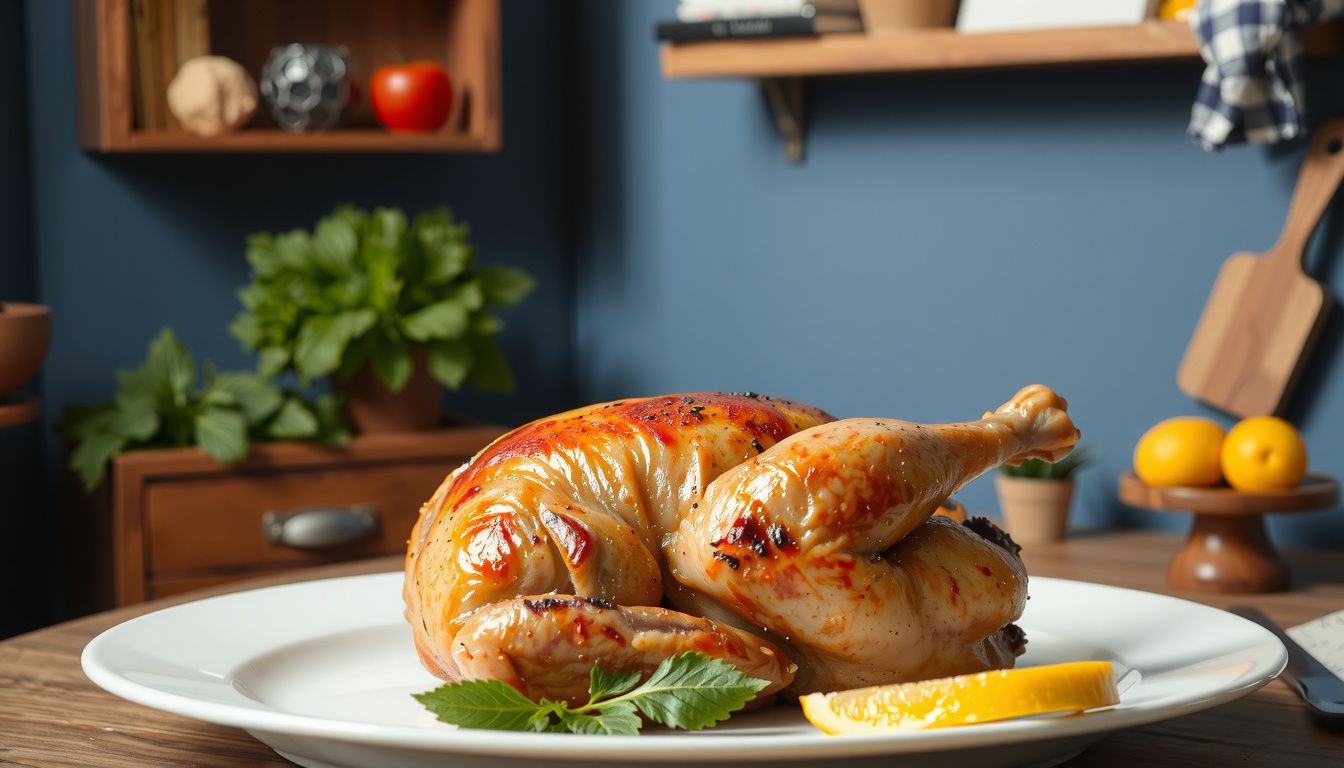
How Long Can Cooked Turkey Stay in the Refrigerator: Safe Storage Tips
Wondering how long can cooked turkey stay in the refrigerator? You’re not alone. After a big holiday meal or Sunday roast, it’s tempting to stash leftovers in the fridge and enjoy turkey sandwiches for days.
But food safety experts have clear guidance about when those leftovers cross the line from delicious to risky.
Knowing the right storage time can help prevent foodborne illnesses and keep your kitchen running smoothly. For instance, imagine hosting Thanksgiving: there’s always plenty of turkey left, and no one wants it to go to waste. The question is, how many days is it actually safe to keep eating?
Drawing on food safety guidelines and years of kitchen experience, this guide breaks down exactly how long cooked turkey can be safely refrigerated, key signs of spoilage, and smart storage practices. If you want to enjoy every last turkey wrap without worry, read on for practical answers and simple steps you can trust.
Understanding the Shelf Life of Cooked Turkey
After enjoying a hearty meal, people often wonder just how long can cooked turkey stay in the refrigerator before it becomes unsafe. The answer hinges on food safety guidelines set by experts. Generally, cooked turkey can be safely stored in the fridge for 3 to 4 days at or below 40°F (4°C).
This window is based on how quickly bacteria can multiply, even at cold temperatures.
To maximize shelf life, it’s best to store the turkey in airtight containers or wrap it tightly in aluminum foil or plastic wrap. This prevents moisture loss and keeps unwanted bacteria at bay. For instance, after a Thanksgiving dinner, placing leftover turkey in shallow containers allows it to cool quickly, reducing the risk of spoilage.
If uncertain about the turkey’s freshness, look for changes in smell, color, or texture—these are telltale signs it’s past its prime.
Factors That Affect Cooked Turkey Freshness
Several factors influence how long cooked turkey remains fresh in the refrigerator. Temperature is paramount—the lower the temperature, the slower bacteria grow. Refrigerators should consistently maintain 40°F (4°C) or below.
Any fluctuation can accelerate spoilage.
Proper storage methods also play a significant role. Airtight containers, thorough wrapping, and separating large portions into smaller ones help preserve quality. Cross-contamination is another risk; always use clean utensils and hands when handling leftovers.
- Temperature consistency (avoid frequent fridge door openings)
- Storage duration (track dates with labels)
- Moisture control (preventing excess dampness)
For example, someone storing turkey in a crowded fridge might find it spoils faster due to poor air circulation. Keeping leftovers in the coldest section and minimizing door openings helps maintain freshness.

Recommended Refrigerator Storage Time for Cooked Turkey
Once leftovers are packed away, many people wonder about the safe window for keeping cooked turkey in the fridge. According to food safety experts, cooked turkey should be refrigerated and consumed within 3 to 4 days. This timeframe helps prevent bacterial growth that can cause foodborne illnesses.
The clock starts the moment the turkey finishes cooking. Whether it’s roasted, grilled, or fried, it must be cooled and stored promptly. Keeping turkey beyond four days increases the risk of spoilage, even if it still smells and looks fine.
Refrigerators should be set at or below 40°F (4°C) to slow bacterial activity.
For example, if someone hosts Thanksgiving dinner on Thursday, leftovers stored by that evening are best eaten by Monday. After four days, any uneaten turkey should be discarded or frozen for later use.
Proper Techniques for Storing Cooked Turkey
Preserving turkey freshness starts with how it’s stored. The goal is to minimize exposure to air, moisture, and bacteria. Begin by carving large pieces off the bone to help the meat chill faster and fit better in containers.
Store slices or pieces in shallow, airtight containers or wrap tightly with heavy-duty foil or plastic wrap. This reduces the risk of cross-contamination and keeps the turkey from drying out. Always label containers with the date to track freshness.
- Divide turkey into small portions for even cooling.
- Place containers on refrigerator shelves, not in the door, for consistent cold temperature.
- Freeze portions not eaten within four days to extend shelf life.
For instance, after a Sunday roast, packing leftovers in individual meal portions makes for quick, safe lunches throughout the week.
How to Tell If Cooked Turkey Has Spoiled
Recognizing spoiled turkey is critical for food safety. Even when stored properly, leftover turkey can go bad if kept too long or exposed to temperature fluctuations. Relying solely on the calendar isn’t enough—it’s wise to check for clear signs of spoilage before reheating or serving leftovers.
Look for these telltale indicators:
- Unpleasant odor: Sour, sulfur-like, or off smells are red flags.
- Texture changes: Sliminess or a sticky surface signals bacterial growth.
- Color changes: Gray or greenish hues show spoilage.
For example, if someone opens a container and notices the turkey feels sticky and smells off, it’s safest to discard it—even if it’s within the recommended timeframe.
Trusting your senses is just as important as following storage guidelines. When in doubt, throw it out.
Common Mistakes When Storing Leftover Turkey
Improper storage can shorten how long cooked turkey stays safe in the refrigerator. Many individuals make avoidable errors that lead to wasted food or, worse, foodborne illness. Recognizing these common pitfalls helps maximize freshness and safety.

- Leaving turkey out too long: Waiting more than two hours before refrigerating lets bacteria multiply rapidly.
- Storing large portions whole: Big pieces cool unevenly. Always carve meat into smaller portions for faster, safer chilling.
- Using improper containers: Wrapping leftovers in foil or using loosely covered dishes can expose food to air and contamination. Opt for airtight containers.
For instance, someone might place an entire turkey breast in the fridge uncovered, leading to faster spoilage and dry, unappetizing meat. Simple adjustments, like using sealed containers and prompt refrigeration, make a significant difference.
Safety Risks of Eating Old Cooked Turkey
Ignoring recommended storage times can expose individuals to serious safety risks. Cooked turkey kept too long in the fridge may harbor harmful bacteria like Salmonella or Listeria, both of which can multiply even at refrigerator temperatures.
Eating old turkey increases the risk of foodborne illness, with symptoms ranging from mild stomach upset to severe dehydration and hospitalization. Vulnerable groups—such as young children, pregnant women, the elderly, and those with weakened immune systems—face even greater danger if exposed to contaminated leftovers.
Consider a family who saves Thanksgiving turkey for over a week, believing reheating will kill any germs. Even thorough reheating can’t always destroy toxins produced by bacteria. If the turkey has developed an off smell or slimy texture, it’s safest to discard it immediately to prevent illness.
When in doubt, adhering to safe storage guidelines is the best defense against these avoidable health risks.
Best Practices for Reheating Refrigerated Cooked Turkey
Proper reheating is essential to enjoy leftover turkey safely and deliciously. The goal is to bring the turkey to a safe internal temperature while preserving its texture and flavor.
- Reheat to at least 165°F (74°C): Use a food thermometer to check the thickest part before serving.
- Cover the turkey: Covering helps retain moisture and prevents drying out, whether using an oven or microwave.
- Add broth or water: Adding a splash of broth or water before reheating keeps the meat juicy and flavorful.
For example, someone reheating turkey slices in the microwave should cover the dish with a damp paper towel and rotate halfway through to ensure even heating. Avoid reheating turkey more than once, as each cycle increases the risk of bacterial growth.
By following these best practices, anyone can safely enjoy tasty leftovers without sacrificing food safety or quality.
Frequently Asked Questions About Turkey Storage
Curious cooks often have lingering questions about keeping leftover turkey fresh and safe. Here are clear answers to the most common concerns, with expert guidance for every kitchen.
-
Can cooked turkey be frozen after refrigeration?
Yes—if the turkey’s still within the safe three to four-day window, transfer it to freezer-safe containers. For example, someone finds extra turkey in the fridge on day two and freezes it to enjoy weeks later. -
Is it safe to eat cooked turkey cold?
Absolutely, as long as it’s been stored properly and hasn’t surpassed the recommended time in the fridge. -
What’s the best way to reheat stored turkey?
Reheat only what’s needed to 165°F (74°C) for best safety and flavor—use an oven, stovetop, or microwave. -
Should gravy or stuffing be stored with the turkey?
Store them separately to maintain freshness and reduce spoilage risks.
The Bottom Line
Understanding how long can cooked turkey stay in the refrigerator empowers anyone to keep leftovers both safe and delicious. Timely refrigeration, airtight storage, and attentive reheating aren’t just kitchen best practices—they’re direct safeguards for health and taste.
Think of a busy family after Thanksgiving: by labeling containers and planning meals, they enjoyed turkey sandwiches and casseroles all week, never wasting a bite or risking foodborne illness. That’s the kind of simple routine that preserves both flavor and peace of mind.
For anyone uncertain about those leftovers, the next step is clear: review what’s in the fridge, check dates, and use any cooked turkey within the recommended window. A little vigilance goes a long way—ensuring every meal is as safe as it is satisfying.
Related read: 5 Best 14 Cubic Foot Refrigerators [In 2026]