
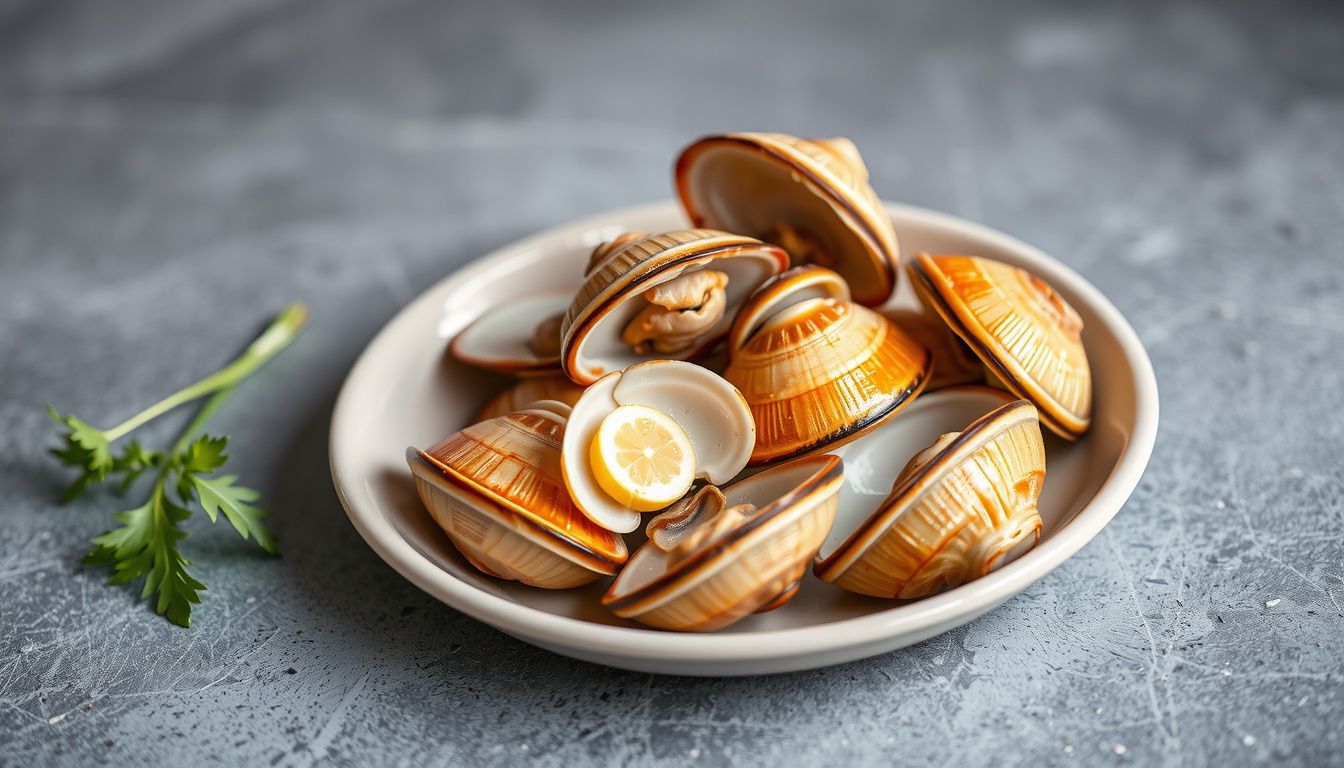
How Long Can I Keep Clams in the Refrigerator for Freshness and Safety
Ever wondered how long can I keep clams in the refrigerator before they go bad? Whether you just picked up a bag of fresh clams from the market or have a few leftovers from last night’s seafood feast, knowing the right storage method is crucial for safety and flavor.
Clams are delicate and highly perishable, so understanding their shelf life can mean the difference between a delicious meal and a disappointing—or even unsafe—one. As seafood experts will tell you, storing clams correctly isn’t just about freshness, but also about preventing foodborne illness.
Take this scenario: someone brings home a dozen live clams for a weekend cookout but ends up postponing dinner. Now they’re left wondering if those clams are still safe to eat a couple of days later. This is a common situation, and knowing the answer can save both money and peace of mind.
In the next sections, learn exactly how long clams can be refrigerated, the signs of spoilage, and the best practices for keeping them at their best. Let’s make sure your next seafood meal is safe and delicious—read on for expert tips you can use right away!
Understanding Clam Freshness: What Impacts Shelf Life
Several factors influence how long clams remain safe and tasty in the refrigerator. Freshness starts at the source—clams should be alive when purchased. If a clam’s shell is open, it should close when tapped.
If not, it’s best to discard it.
Temperature control plays a big role. Clams prefer cold, moist environments. The refrigerator should be set between 32°F and 38°F.
Warmer temperatures can cause rapid spoilage, even within a day or two. Humidity also matters. Clams stored in open containers with a damp cloth on top fare better than those kept in airtight plastic bags, which can suffocate them.
Handling is just as crucial. Clams should never sit in fresh water or be submerged, as this can kill them quickly. For example, a home cook who places clams directly on a cold fridge shelf with a wet towel will keep them fresher than someone who seals them in a bag.
Keeping these factors in mind helps maximize their shelf life and maintain taste.
How Long Can Clams Be Stored in the Refrigerator
Clams can generally be stored in the refrigerator for up to two days if kept alive and handled correctly. The key is to store them unshucked (in their shells) and ensure they remain moist but not submerged. Place clams in a shallow bowl covered loosely with a damp cloth or paper towel, never in an airtight container.

Once clams die, their quality deteriorates rapidly. If a clam’s shell is cracked or doesn’t close when tapped, it should be discarded immediately. Shucked clams—those removed from their shells—have a shorter shelf life, usually lasting only one day in the fridge.
Always check for signs of spoilage such as off-odors or a slimy texture before using.
For instance, someone who buys live clams on Monday and stores them as described can confidently prepare them on Tuesday or even Wednesday. This short window ensures optimal flavor and safety, making it crucial to plan meals accordingly.
Preparing Clams for Refrigeration: Cleaning and Handling
Once clams are brought home, proper cleaning and handling are essential for preserving their freshness. Start by inspecting for any broken or cracked shells and discard those clams immediately, since damaged shells increase the risk of spoilage and foodborne illness.
Next, rinse the clams gently under cold tap water to remove sand, mud, and debris. Do not use soap or detergent, and avoid soaking them for long periods, as this can kill live clams. For extra grit removal, some chefs recommend briefly placing the clams in a bowl of salted water (about 1/3 cup salt per gallon) for 20-30 minutes, allowing them to expel sand naturally.
Handle the clams with care—never squeeze or drop them. Place the cleaned clams in a colander or a shallow dish, cover with a damp cloth or paper towel, and store immediately in the coldest part of the refrigerator. For example, a seafood market worker might quickly inspect, rinse, and lay out a fresh batch after delivery to ensure optimal freshness for the day.
Best Practices for Storing Live and Cooked Clams
Proper storage methods differ for live and cooked clams. For live clams, always keep them in a breathable container—never in an airtight bag or sealed container, as they require oxygen to survive. Use a shallow tray covered loosely with a damp towel, and avoid stacking them too high to reduce the risk of suffocation or shell breakage.
Cooked clams, on the other hand, should be transferred to a covered container once cooled. Store these at or below 40°F to minimize bacterial growth. Clearly label and date containers so older batches are used first, maintaining quality and safety.
To illustrate, a home cook preparing for a weekend seafood feast might store live clams in a bowl covered with a wet towel, tucking them into the refrigerator’s lower section, while placing steamed leftovers in a lidded container for next-day chowder. By following these best practices, both live and cooked clams remain as fresh and safe as possible until consumption.
Signs Clams Have Spoiled: When to Discard
Recognizing when clams have gone bad is crucial for food safety. Even with proper refrigeration, clams can spoil quickly if mishandled. It’s best to inspect them closely before use—consuming spoiled clams can cause foodborne illnesses.
Here are clear signs clams should be discarded:

- Shells remain open after a gentle tap—live clams should close when touched.
- Off or sour smell—fresh clams have a clean, ocean-like scent. Any strong fishy or ammonia odor is a red flag.
- Broken or chipped shells—these can indicate the clam is dead and unsafe to eat.
- Discolored meat or dry, shriveled appearance—fresh clam meat should look moist and plump.
Picture someone prepping a clam chowder. They notice several clams with cracked shells and a strong, sour smell—these are immediately tossed to avoid any risk. When in doubt, remember: if a clam looks or smells questionable, it’s safest to discard it.
Frequently Asked Questions About Refrigerating Clams
Many beginners have questions about how long clams last and the best practices for storing them. Here are answers to some common concerns:
- How long can I keep clams in the refrigerator? Most live clams stay fresh for 1-2 days in the fridge, while cooked clams last up to 3 days if stored properly.
- Should I store clams in water? Never keep live clams submerged in fresh water, as it can kill them. Always store them in a breathable container covered with a damp cloth.
- Can I freeze clams? Yes, both live and cooked clams can be frozen. However, freezing changes the texture, especially for live clams.
- Is it safe to eat clams that don’t open after cooking? No—if a clam remains closed after cooking, discard it, as this means it was likely dead before cooking.
For example, someone might keep live clams in a bowl with a damp towel on top, placing them in the refrigerator for a seafood pasta the next day. By following expert advice, they reduce the risk of spoilage and enjoy fresher results.
Tips for Maximizing Clam Freshness and Quality
Keeping clams at their best requires a few expert tips beyond basic handling. Simple adjustments can extend their shelf life and preserve both taste and safety.
Start by storing live clams in a shallow bowl or tray. Cover them with a damp cloth—never plastic wrap or airtight containers, which suffocate and kill live clams quickly. The refrigerator’s coldest area (often near the back, but above freezing) is ideal for maintaining freshness.
Check clams daily. If a shell is open, gently tap it; if it doesn’t close, discard the clam. This daily check prevents accidental spoilage and foodborne illness.
- Avoid submerging clams in water. Freshwater kills them and accelerates spoilage.
- Cooked clams should be stored separately in an airtight container and consumed within three days for best quality.
For example, a home cook prepping for a seafood dinner might keep live clams covered with a damp towel and ice packs in a bowl, ensuring airflow. This simple method keeps clams lively and sweet for up to two days, preserving their ocean-fresh flavor.
The Bottom Line
Storing clams safely and effectively can make all the difference in both taste and food safety. For anyone wondering, how long can I keep clams in the refrigerator, the answer largely depends on their freshness at purchase and storage habits at home.
Consider this: a seafood restaurant chef routinely checks clams daily, discarding any that don’t close or smell off. Home cooks can adopt a similar routine, ensuring only fresh, live clams make it to the table and spoiled ones are removed before they pose a risk.
By following best practices, anyone can enjoy clams at peak flavor and avoid common pitfalls. The next time clams are on the menu, confidently check their condition and store them properly. With a few mindful steps, every clam dish can be both delicious and safe.
Ready to put these strategies into practice? Review the signs of freshness before your next seafood meal, and make smart storage choices to get the very best out of every clam.
![How Long Do Refrigerators Last [Your Complete Guide to Appliance Longevity]](https://bathroomexplorer.com/wp-content/uploads/2025/05/how-long-do-refrigerators-last.jpg)