How Long After Flea Spray Should I Vacuum?
You can often vacuum your home about 2-4 hours after applying most common flea sprays. This waiting period allows the spray to dry and become less likely to transfer onto your vacuum cleaner. It also helps ensure the spray has had enough time to start working effectively on any flea eggs or larvae it reaches. Always check the specific product instructions, as some may recommend a slightly different timeframe.
Understanding this waiting period is key to effectively managing a flea infestation in your home. Vacuuming too soon could reduce the effectiveness of the spray or even damage your vacuum. Waiting the recommended time helps you get the most bang for your buck with your flea treatment. We’ll cover why this timing matters and what to do for best results.
- Most flea sprays need 2-4 hours to dry.
- Check your specific product label for timing.
- Vacuuming too soon can reduce spray effectiveness.
- Give the spray time to settle and start working.
Let’s walk through exactly how to time your vacuuming after using flea spray for the best flea-fighting results.
Timing Your Vacuuming After Flea Spray Application
You’re probably wondering: how long should you wait to vacuum after you’ve sprayed for fleas? Most common household flea sprays need a bit of time to do their magic. We found that waiting about 2 to 4 hours is generally recommended. This allows the spray to dry completely. It also gives the active ingredients time to start breaking down the flea life cycle. Think of it as letting the spray settle in and get to work.
Why the Waiting Period Matters
Waiting is super important for a couple of big reasons. First, it ensures the spray isn’t just wiped up by your vacuum cleaner. You spent money on that spray, and you want it to work! Second, it gives the chemicals time to become safe for your family and pets to be around. We found that this waiting period helps maximize the spray’s effectiveness.
Ensuring Spray Effectiveness
Flea sprays often target fleas at different life stages. Some work on adult fleas, while others tackle eggs and larvae. If you vacuum too soon, you might accidentally suck up wet spray before it has a chance to kill those developing fleas. Many product labels suggest a drying time to ensure the active ingredients can reach their targets. We found that this helps create a more complete kill.
Safety Considerations
It’s also about safety. When flea spray is wet, it’s more likely to transfer onto your vacuum cleaner’s parts. It could also potentially transfer to your skin or your pets’ fur if they walk over the treated area before it’s dry. Allowing the spray to dry reduces this risk. Reputable sources, like those from pest control experts, often highlight the importance of following drying times for safety. We found this is a common recommendation.
Understanding Flea Spray Product Instructions
While 2-4 hours is a common guideline, it’s not a one-size-fits-all answer. Your best bet is always to check the specific product label you are using. Different brands and formulations have different active ingredients and drying times. Some might suggest a shorter wait, perhaps just an hour. Others might recommend longer, maybe up to 6 hours or even overnight for certain products. We found that reading the label is the most reliable step.
Decoding the Label
Look for sections on application instructions, drying time, or reentry time. These are the clues you need. The label will usually tell you exactly how long to keep pets and children out of the treated area. It will also often mention when it’s safe to resume normal activities, including vacuuming. If you can’t find the label, a quick online search for the product name and “instructions” can often help.
What if the Label is Unclear?
If you’ve lost the packaging or the instructions are hard to understand, it’s okay to err on the side of caution. A longer waiting period won’t hurt. In fact, waiting a bit longer often ensures better results. We found that waiting an extra hour or two is a safe practice if you’re unsure.
Optimizing Your Vacuuming Strategy Post-Spray
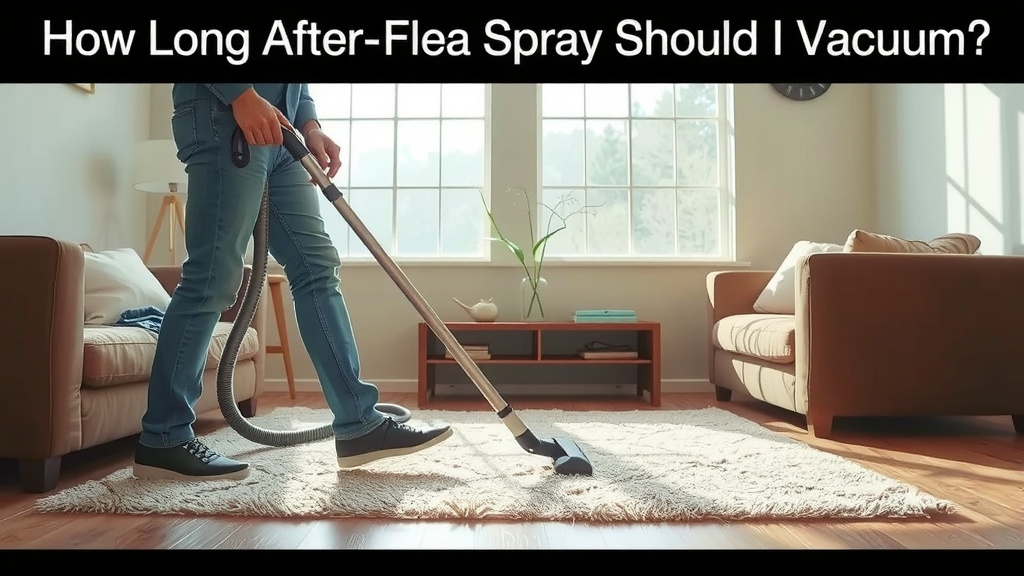
Once the waiting period is over, vacuuming becomes a powerful tool. It doesn’t just clean up dirt; it helps remove dead fleas, flea eggs, and larvae that the spray may have killed or made vulnerable. This is a crucial step in breaking the flea life cycle. We found that regular vacuuming is key to keeping fleas at bay.
What to Vacuum and How Often
Focus on areas where your pets spend the most time, such as their beds, favorite resting spots, and carpets. Also, don’t forget about furniture, cracks, and crevices. After applying flea spray, plan to vacuum thoroughly at least once a day for the first week. This consistent effort helps remove any newly hatched fleas and eggs. We found that frequency is more important than deepness in this initial phase.
Targeting High-Traffic Flea Zones
Think of your home like a flea highway. Where are the most frequent stops? Usually, it’s where your furry friends nap and play. So, when you vacuum, really pay attention to these hot spots. You can even use attachments on your vacuum to get into tight corners and along baseboards. We found that this targeted approach helps capture more flea life stages.
Dealing with Your Vacuum Bag/Canister
After you finish vacuuming, it’s important to handle your vacuum bag or canister properly. Fleas and their eggs can survive inside. If you have a bagged vacuum, seal the bag tightly and dispose of it outside immediately. For bagless vacuums, empty the canister into a sealed bag and take it outside right away. This prevents any lingering fleas from escaping back into your home. We found this simple step is often overlooked.
Checking Your Vacuum Cleaner
Occasionally, it’s a good idea to check your vacuum cleaner itself. Look at the brush roll and any filters. You might find dead fleas or debris there. Cleaning these parts regularly will help your vacuum work more efficiently. We found that a clean vacuum works better and lasts longer.
Vacuum Maintenance Checklist
- Empty the canister or replace the bag immediately after vacuuming treated areas.
- Dispose of the bag or canister contents outside in a sealed trash bag.
- Clean the vacuum brush roll and filters regularly.
- Check for any lingering debris or flea evidence in the vacuum.
- Store your vacuum in a place away from potential flea re-entry points.
By following these steps and understanding the proper timing, you’re well on your way to a flea-free home. Remember, consistency is key!
Conclusion
You’ve learned that waiting 2-4 hours after applying flea spray before vacuuming is generally recommended. This crucial waiting period allows the spray to dry, ensuring it’s effective against fleas and safe for your home. Always consult your specific product’s label for the most accurate timing. Once the wait is over, consistent vacuuming and proper disposal of your vacuum’s contents are key to breaking the flea life cycle. Now, you’re ready to take on those fleas with confidence and a clean home!
Frequently Asked Questions
Can I vacuum immediately after spraying for fleas?
No, you should not vacuum immediately after spraying for fleas. Most flea sprays need time to dry and become effective. Vacuuming too soon can remove the wet spray before it has a chance to kill flea eggs and larvae, reducing its effectiveness.
What happens if I vacuum too soon after using flea spray?
If you vacuum too soon, you might suck up the flea spray before it has fully dried. This can reduce the spray’s ability to kill fleas and their eggs. It could also potentially transfer wet spray onto your vacuum cleaner’s parts.
How do I know if the flea spray is dry enough to vacuum?
The best way to know is to check your product’s label, as drying times vary. Generally, if the treated surfaces no longer feel wet or sticky to the touch, the spray has likely dried sufficiently. The 2-4 hour guideline is a good starting point if the label isn’t clear.
Do I need to vacuum every day after flea spray?
Yes, frequent vacuuming is highly recommended after applying flea spray. Vacuuming daily for the first week helps remove dead fleas, eggs, and larvae. This consistent effort is essential for breaking the flea life cycle and preventing re-infestation.
What should I do with my vacuum bag or canister after treating for fleas?
After vacuuming a flea-treated area, you must handle your vacuum’s bag or canister carefully. Seal the bag tightly and dispose of it outside immediately. For bagless vacuums, empty the canister into a sealed bag and take it outside right away to prevent fleas from escaping back into your home.
![7 Best Central Vacuum System For Allergies [2026]](https://bathroomexplorer.com/wp-content/uploads/2026/05/7-best-central-vacuum-system-for-allergies-2026-featured-768x432.jpg)
![7 Best Lightweight Vacuum Cleaner For Stairs [2026]](https://bathroomexplorer.com/wp-content/uploads/2026/06/7-best-lightweight-vacuum-cleaner-for-stairs-2026-featured-768x432.jpg)

![7 Best Lightweight Vacuums For Elderly [2026]](https://bathroomexplorer.com/wp-content/uploads/2026/06/7-best-lightweight-vacuums-for-elderly-2026-featured-768x432.jpg)