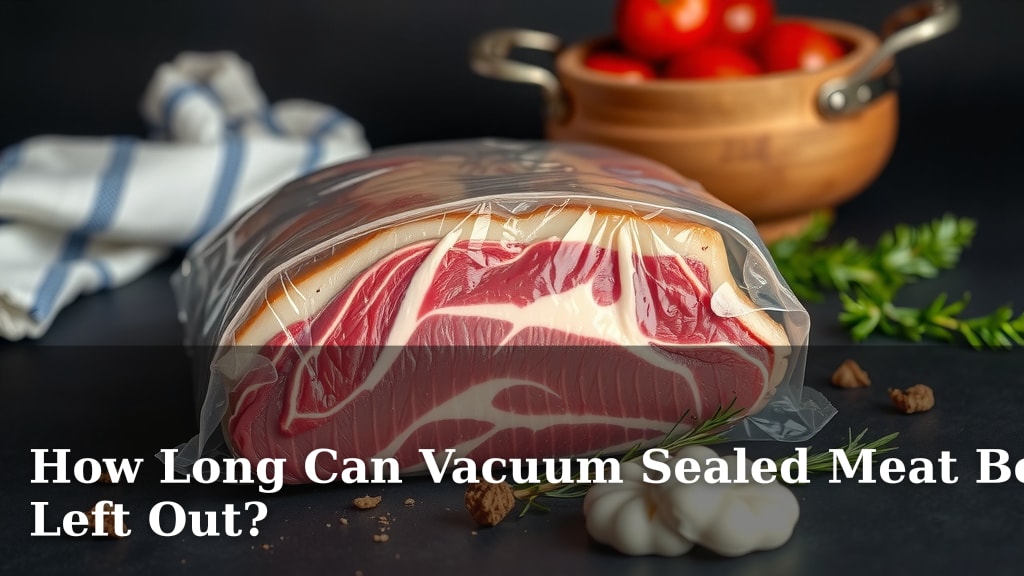
How Long Can Vacuum Sealed Meat Be Left Out?
Generally, vacuum sealed meat can be left out at room temperature for no more than 2 hours. This is because bacteria can grow rapidly in the “danger zone” between 40°F and 140°F. Vacuum sealing slows this growth, but it doesn’t stop it entirely, making proper storage time still very important.
While vacuum sealing does extend the shelf life of meat compared to traditional packaging, it’s not a magic bullet against spoilage. The key factor is temperature. Once the seal is broken or the meat is exposed to warmer air, the clock starts ticking much faster for potential bacterial contamination. We found that even a few hours can make a big difference in safety.
- Vacuum sealed meat is safe for about 2 hours at room temp.
- Bacteria grow quickly in the 40°F to 140°F danger zone.
- Vacuum sealing slows, but doesn’t eliminate, spoilage.
- Always check for signs of spoilage before cooking.
- When in doubt, throw it out!
Let’s break down how long your vacuum sealed meat can safely stay out and what to look out for, so you can keep your food safe and delicious.
Your Vacuum Sealed Meat: How Long Can It Hang Out?
So, you’ve got some vacuum sealed meat and you’re wondering about its room temperature endurance. It’s a common question, and the short answer is: not very long. We found that generally, vacuum sealed meat should not be left out at room temperature for more than two hours.
This two-hour window is a critical safety guideline. It’s the maximum time food should spend in the “danger zone” – that temperature range between 40°F and 140°F where bacteria multiply at an alarming rate (CDC). While vacuum sealing is fantastic for preservation, it doesn’t create a force field against these tiny invaders.
Understanding the “Danger Zone” and Vacuum Sealing
Let’s talk about why that two-hour limit is so important. The “danger zone” is essentially a party invitation for bacteria. When meat is in this temperature range, even for a short while, it gives bacteria a chance to grow and multiply.
Vacuum sealing works by removing most of the oxygen around the food. This slows down the growth of aerobic bacteria (the ones that need oxygen to live) and also helps prevent freezer burn. It also keeps the meat from drying out and protects it from external contaminants. However, it doesn’t eliminate all bacteria, especially anaerobic bacteria, which can thrive without oxygen.
The Role of Oxygen and Bacteria
Think of oxygen like a gas pedal for certain types of spoilage. When you remove it with vacuum sealing, you’re essentially pressing the brake pedal. This is a big win for extending shelf life, especially in the refrigerator or freezer. But, even with the brakes on, the meat is still on the road, and if the temperature isn’t right, things can still go south.
We found that while vacuum sealing significantly extends the safety and quality of meat compared to just wrapping it in plastic wrap or foil, it’s not a substitute for proper temperature control. The seal keeps things tidy, but it doesn’t keep things cold.
Temperature is King: Refrigeration and Freezing
When you’re not actively cooking your vacuum sealed meat, its best friends are the refrigerator and the freezer. Properly stored in the fridge, vacuum sealed meat can last much longer than its traditionally packaged counterparts. We found that this can often extend freshness by 3-5 times!
For even longer storage, the freezer is the way to go. Vacuum sealing is a freezer’s best friend, as it drastically reduces the risk of freezer burn. This means your meat can stay safely stored for months, sometimes even up to two years, without losing quality. Remember, the seal helps prevent ice crystals from forming on the surface of the meat, which is what causes that undesirable dry, white appearance.
When Meat is *Out* of the Cooler Environment
This is where we get back to your original question. If your vacuum sealed meat finds itself outside of a controlled cold environment – like on your counter while you prep other ingredients, or in a cooler without ice – the clock starts ticking.
The two-hour rule is the golden standard here. This applies whether the meat is fully sealed or if the seal has been compromised in any way. If the ambient temperature is above 90°F, this window shrinks even further, down to just one hour. This is because heat accelerates bacterial growth exponentially.
What if the Seal is Broken?
Once that vacuum seal is broken, your meat is exposed to the environment. This means it’s vulnerable to airborne bacteria and needs to be treated with extra care. If you plan to cook it right away, that’s generally fine. But if you’re thinking of leaving it out for a bit after breaking the seal? That’s a risk you probably don’t want to take.
We found that a broken seal means you should treat the meat as you would any other raw meat product that isn’t vacuum sealed. It needs to get back into the refrigerator or be cooked promptly to stay within safe temperature guidelines.
Signs Your Meat Might Have Been Out Too Long
Sometimes, even if you think you’ve stayed within the safe time limits, it’s always wise to do a quick check. Your senses are your first line of defense. Look for obvious changes that might indicate spoilage. Your nose and eyes can tell you a lot.
Here’s a quick checklist of what to watch out for:
- Unpleasant Odor: Does it smell sour, rotten, or “off” in any way? This is a big red flag.
- Slimy Texture: If the meat feels slimy or sticky to the touch, it’s usually a sign of bacterial growth.
- Color Changes: While some color changes can occur in vacuum-sealed meat (like a darkening of the meat due to lack of oxygen), a greenish or grayish hue, or dulling of the bright red color, can be concerning.
- Excessive Moisture: While some liquid is normal, if there’s an unusual amount of cloudy or discolored liquid, be cautious.
The “When in Doubt, Throw it Out” Mantra
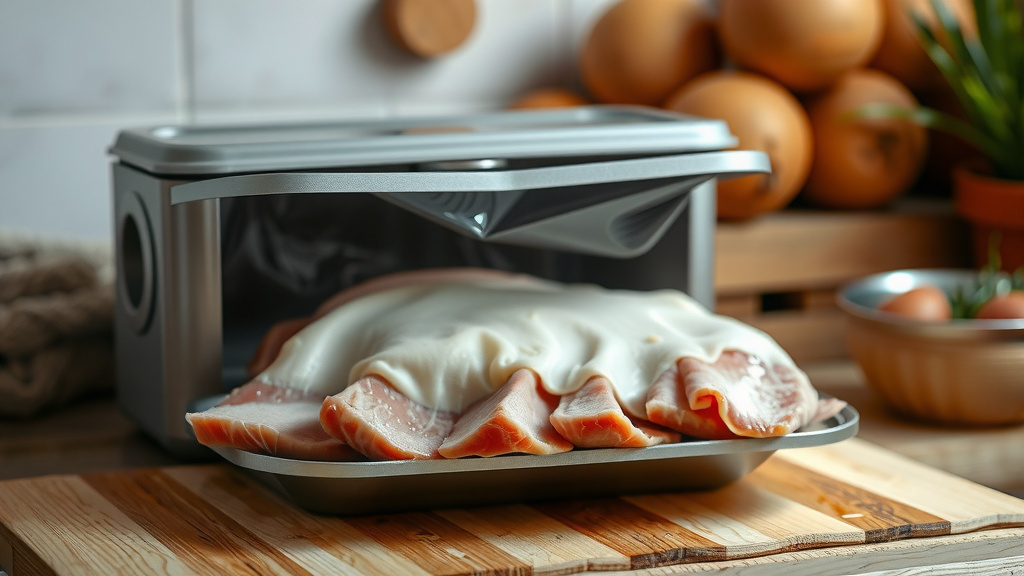
Food safety is no joke. We found that relying on the established guidelines, like the two-hour rule, is the best way to ensure your food is safe to eat. It’s better to be safe than sorry. If you have any suspicion that your vacuum sealed meat may have been left out for too long, or if you see any signs of spoilage, it’s always best to discard it.
This might sound harsh, but foodborne illnesses can be serious. The minimal cost of replacing a piece of meat is far less than the potential health risks associated with consuming contaminated food. So, trust your gut, follow the guidelines, and when in doubt, let it go.
Conclusion
We’ve covered why that two-hour rule is your best friend when vacuum sealed meat is out of the fridge. Remember, vacuum sealing slows bacteria, but doesn’t stop it, especially in the danger zone between 40°F and 140°F. Even a broken seal means you need to act fast.
Your senses are key – a quick check for smell, texture, and color can alert you to spoilage. When in doubt about how long your meat sat out, or if it shows any warning signs, please err on the side of caution and throw it away. Protecting your health is always the top priority, so make safe storage your new habit.
Frequently Asked Questions
Can vacuum sealed meat sit out overnight?
Absolutely not. Vacuum sealed meat should never be left out at room temperature overnight. The maximum safe time for it to be out is two hours, or just one hour if the temperature is above 90°F, to prevent dangerous bacterial growth.
Is it safe to refreeze vacuum sealed meat that was left out?
If your vacuum sealed meat has been left out at room temperature for more than two hours, it is not safe to refreeze. Once meat has entered the temperature danger zone, bacteria can multiply rapidly, making it unsafe to consume even if refrozen.
Does vacuum sealing make meat completely safe at room temperature?
No, vacuum sealing greatly extends shelf life in proper storage like refrigeration or freezing, but it does not make meat safe to leave out at room temperature indefinitely. It slows down spoilage by removing oxygen but doesn’t eliminate bacteria that cause spoilage or foodborne illness.
What is the difference in leaving traditionally packaged meat out versus vacuum sealed meat out?
While both types of meat are subject to the same 2-hour room temperature rule, vacuum sealing offers slightly better protection against external contaminants and drying. However, the core safety guideline regarding bacterial growth in the danger zone remains the same for both.
Can I trust the color of vacuum sealed meat that’s been out for a bit?
While some color changes like darkening can occur in vacuum-sealed meat due to lack of oxygen, significant shifts like a greenish or grayish hue can be a warning sign of spoilage. Always use your nose and check the texture too, as color alone isn’t always the deciding factor.
![7 Best Handheld Vacuum For Pet Fur [2026]](https://bathroomexplorer.com/wp-content/uploads/2026/05/7-best-handheld-vacuum-for-pet-fur-2026-featured-768x432.jpg)