How Long Can Vacuum Sealed Meat Last at Room Temperature?
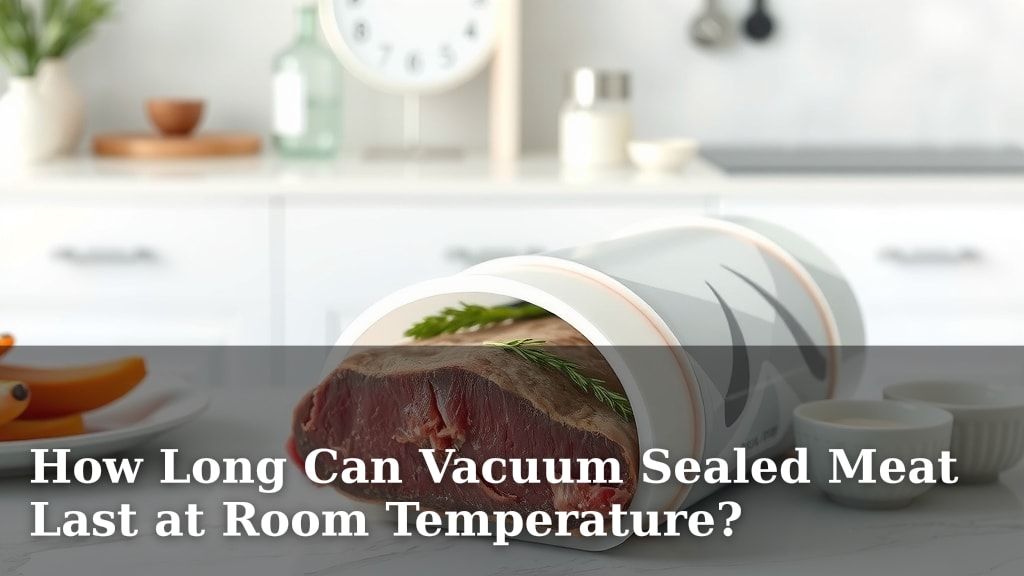
Vacuum sealed meat left at room temperature can only last a very short time, typically 2 hours or less before bacteria start to grow rapidly. While vacuum sealing removes air, it doesn’t eliminate the risk of spoilage once the temperature rises. For safety, always refrigerate or freeze vacuum sealed meat.
Leaving vacuum sealed meat out is a gamble with your health. Even though the bag is sealed, the meat is still a food source for dangerous microorganisms. We found that the “danger zone” for food is between 40°F and 140°F, and your counter is definitely in it. So, don’t get caught wondering if it’s still good.
- Vacuum sealed meat spoils quickly at room temperature.
- The safe time limit is generally 2 hours.
- Bacteria multiply rapidly in the “danger zone” (40°F-140°F).
- Always store vacuum sealed meat in the fridge or freezer.
- Never rely on vacuum sealing alone for room temperature storage.
Let’s dive deeper into why this is the case and what you can do to keep your meat safe and delicious.
How Long is Vacuum Sealed Meat Safe at Room Temperature?
Vacuum sealing meat can give you a false sense of security. You might think that because the air is gone, the meat is good to go for hours on the counter. Unfortunately, that’s not the case. We found that vacuum sealed meat can only last about 2 hours at room temperature before it enters the food safety danger zone. After that, bacteria can multiply incredibly fast.
Understanding the Food Danger Zone
The biggest enemy of fresh meat, even when it’s sealed, is temperature. Food safety experts have identified a specific temperature range where bacteria thrive. This range is often called the “danger zone.”
What is the Danger Zone?
Research indicates that the danger zone for food is between 40°F and 140°F (4°C to 60°C). Within this temperature range, bacteria like Salmonella and E. coli can double in number in as little as 20 minutes. Imagine tiny little party animals, just having a grand old time and multiplying! Your kitchen counter is almost always within this temperature range.
Why Vacuum Sealing Isn’t Enough
Vacuum sealing removes oxygen. This is great for slowing down the growth of certain types of bacteria that need air to survive. However, it does not stop the growth of all bacteria. Many dangerous bacteria are anaerobic, meaning they can grow without oxygen. So, even though the bag is sealed, these bacteria can still multiply once the meat warms up.
Anaerobic Bacteria Explained
Think of it this way: vacuum sealing is like putting a mask on, but it doesn’t remove all the germs in the room. Anaerobic bacteria are the ones that don’t need oxygen to live. When your meat is left out, these bacteria can feast and multiply, even in the absence of air. This is why temperature control is so critical.
The Two-Hour Rule for Meat
When it comes to perishable foods like meat, there’s a golden rule that applies whether it’s vacuum sealed or not. We found that most food safety guidelines, including those from the USDA, state that perishable food should not be left at room temperature for more than two hours. If the ambient temperature is above 90°F (32°C), this time limit is even shorter – just one hour.
Why Two Hours?
This two-hour window is the general consensus among food safety professionals. It represents a point where the risk of dangerous bacterial growth becomes significantly higher. It’s a bit like a countdown timer. After two hours, the timer has hit zero, and the risk starts to climb.
What Happens After Two Hours?
Once meat sits in the danger zone for longer than the recommended time, a large number of bacteria can develop. Some of these bacteria produce toxins. Even if you cook the meat thoroughly afterward, these toxins may not be destroyed. Eating food contaminated with these toxins can make you very sick.
Storing Vacuum Sealed Meat Safely
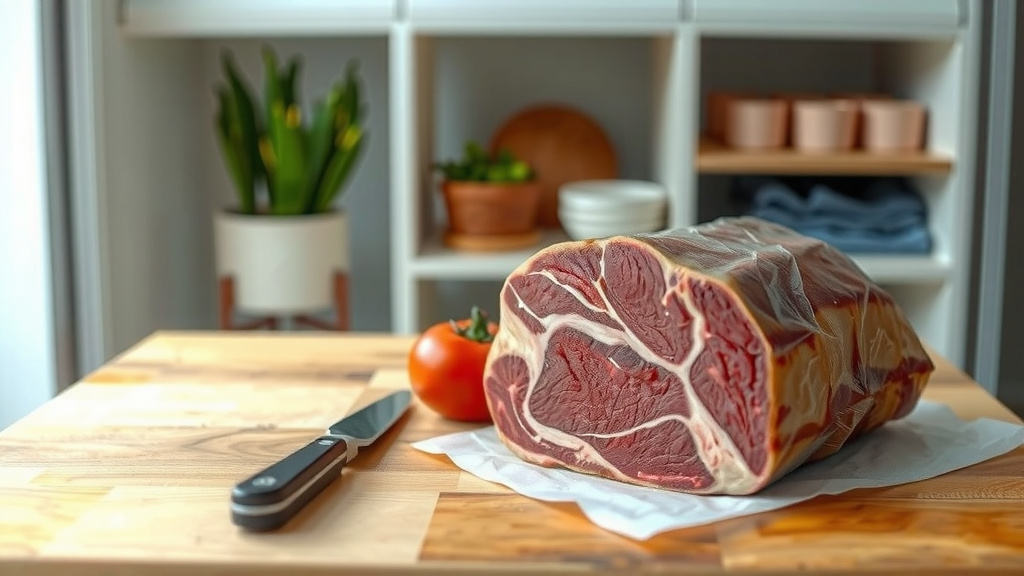
Since room temperature is a no-go zone for extended periods, proper storage is key. You have two main options to keep your vacuum sealed meat safe and ready for when you need it.
Refrigeration: The Short-Term Solution
If you plan to use your vacuum sealed meat within a few days, the refrigerator is your best friend. A refrigerator should be set at or below 40°F (4°C). This cold temperature significantly slows down bacterial growth, keeping your meat fresh and safe for consumption. Most vacuum sealed meat can last in the refrigerator for much longer than it can at room temperature, often for weeks depending on the type of meat and how it was packaged (National Institutes of Health).
Freezing: The Long-Term Keeper
For anything beyond a few days, freezing is the way to go. Freezing meat completely halts bacterial growth. Your vacuum sealed meat can last for many months, even up to a year or more, in the freezer without losing much quality. Remember to label your packages with the date to keep track.
When in Doubt, Throw it Out
Food safety is not something to take lightly. When you’re unsure if your vacuum sealed meat has been left out too long, the safest course of action is to discard it. It’s not worth the risk of a foodborne illness. Remember, you can’t see, smell, or taste most of the bacteria that can cause illness.
A Quick Safety Checklist
Here’s a handy checklist to help you remember the essentials:
- Always check the temperature of your refrigerator and freezer.
- Keep track of how long meat sits out of refrigeration.
- When in doubt about food safety, err on the side of caution.
- Vacuum sealing helps extend shelf life but doesn’t make food immune to spoilage.
- Proper storage is essential for maintaining meat quality and safety.
- Never use vacuum sealing as a substitute for refrigeration or freezing.
Conclusion
You now know that vacuum sealing meat provides a helpful barrier, but it won’t protect it indefinitely at room temperature. The critical factor remains temperature. Once meat hits that “danger zone” between 40°F and 140°F, bacteria can multiply rapidly. Remember, the 2-hour rule is your best friend here – or 1 hour if it’s really hot out. Don’t gamble with your health; when in doubt, throw it out.
Your safest bet is always to properly refrigerate or freeze your vacuum sealed meat. This ensures it stays delicious and safe for you and your family to enjoy.
Frequently Asked Questions
Does vacuum sealing make meat completely safe at room temperature?
No, vacuum sealing does not make meat completely safe at room temperature. It removes air, which slows down some bacteria, but it doesn’t stop anaerobic bacteria or prevent spoilage once the temperature rises.
Can I tell if vacuum sealed meat has gone bad at room temperature just by looking or smelling it?
Often, you can’t. Many harmful bacteria and their toxins don’t change the smell, look, or taste of the meat. Relying on your senses alone is not a safe way to determine if meat left out too long is still good to eat.
What happens if I accidentally leave vacuum sealed meat out for more than 2 hours?
If vacuum sealed meat sits in the danger zone (40°F-140°F) for over two hours, dangerous levels of bacteria can grow. Some of these bacteria can produce toxins that cooking won’t destroy, potentially making you very ill.
How long can vacuum sealed meat last in the refrigerator?
Vacuum sealed meat can last much longer in the refrigerator than at room temperature, typically several weeks. Always ensure your refrigerator is consistently at or below 40°F to maximize safety and freshness.
Is it safe to refreeze vacuum sealed meat that was left out at room temperature?
No, it is not safe to refreeze vacuum sealed meat that has been left at room temperature for an extended period. Once it has entered the temperature danger zone, bacteria may have multiplied, and refreezing won’t eliminate the risk.