How Long Can Vacuum Sealed Rice Last?
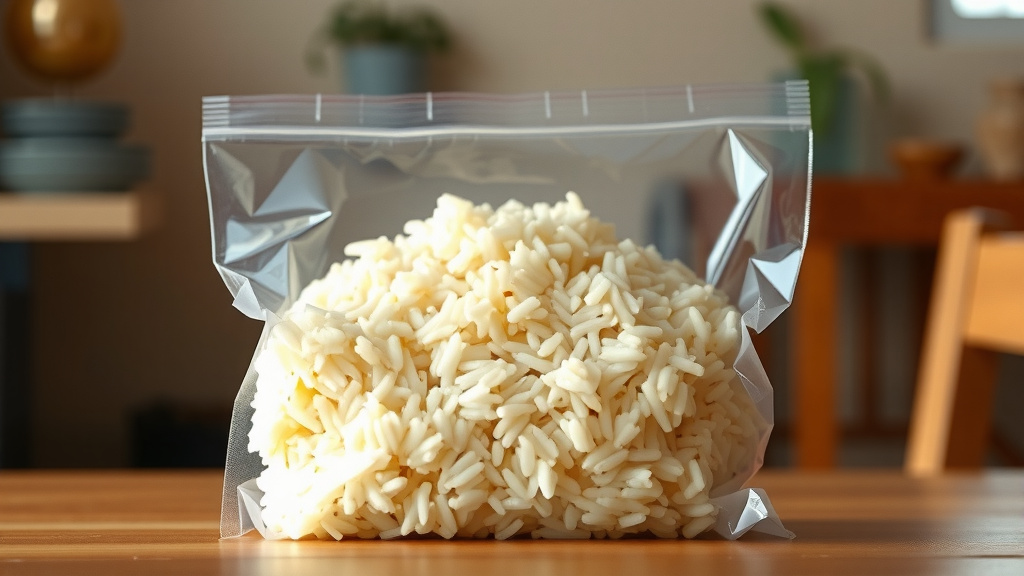
Vacuum sealed rice can last for an incredibly long time, often exceeding 20 to 30 years when stored properly in a cool, dark place. This method effectively removes oxygen, which is the primary culprit behind spoilage and the development of mold and pests. So, if you’re stocking up, you’re in good shape!
When rice is vacuum sealed, you’re creating an airtight barrier. This prevents moisture from getting in and slows down the oxidation process that degrades quality over time. Properly stored, it maintains its nutritional value and texture much longer than unsealed grains.
- Vacuum sealing rice can extend its shelf life for decades.
- It works by removing oxygen, preventing spoilage and pests.
- Proper storage in a cool, dark place is key.
- Expect rice to last 20-30 years or even longer when sealed.
Let’s take a closer look at exactly how long your vacuum sealed rice can last and what factors play a role.
How Long Can You Expect Vacuum Sealed Rice to Last?
When rice is properly vacuum sealed, you’re setting yourself up for long-term storage. Many studies and guidelines suggest that vacuum sealing can extend the shelf life of rice significantly. We’re not just talking a few months; think years, and even decades!
You can realistically expect vacuum sealed rice to last 20 to 30 years. Some sources even point to possibilities of it lasting much longer. This is a fantastic option for emergency preparedness or just smart pantry stocking. It’s a great way to ensure you always have a staple on hand.
The Science Behind Long-Term Rice Storage
Why does vacuum sealing work so well for rice? It all comes down to removing the enemy: oxygen. Oxygen is a major player in food spoilage. It allows for the growth of aerobic bacteria and molds. It also contributes to oxidation, which can degrade the rice’s flavor, texture, and nutritional content over time.
By removing the air from the packaging, you create an environment where these spoilage processes are drastically slowed down. This is why vacuum sealing is such a powerful tool for extending the shelf life of dry goods like rice. It’s like putting your rice into a deep freeze of sorts, but without the cold temperatures.
What Happens to Unsealed Rice?
Let’s compare that to rice that’s just sitting in its original bag or a regular container. Without a proper seal, moisture can creep in. This is a huge problem for rice. Moisture can lead to clumping, mold growth, and can attract pests like weevils or pantry moths. Plus, even without moisture, the rice is still exposed to oxygen.
Over time, this exposure leads to what we call “stale” rice. It might not be unsafe to eat, but the taste and smell can be off. The texture might be chalky, and the nutritional value will have decreased. You want your rice to be as good as the day you bought it, and vacuum sealing helps achieve that.
Factors Influencing Vacuum Sealed Rice Shelf Life
While vacuum sealing is a game-changer, a few factors can still play a role in how long your rice remains in peak condition. Think of them as supporting actors to the main star, which is your vacuum sealer.
Type of Rice Matters
Did you know different types of rice have different shelf lives even before sealing? White rice, due to the removal of the bran and germ during processing, is naturally more stable. Brown rice, on the other hand, contains these fatty components which can go rancid more quickly.
For vacuum sealed rice:
- White Rice: Can easily last 20-30 years or more when vacuum sealed and stored properly.
- Brown Rice: While vacuum sealing helps immensely, its natural oils mean it might not last quite as long as white rice. Aim for 5-10 years for optimal quality.
- Other Varieties (e.g., wild rice, arborio): Shelf life can vary. Research specific types if you plan on long-term storage.
Storage Conditions Are Key
Where you store your vacuum sealed rice is just as important as the sealing process itself. The ideal environment is one that is cool, dark, and dry. Think of a pantry, a basement, or a dedicated food storage area.
The Impact of Heat
High temperatures are the enemy of stored food. Heat can accelerate degradation processes even in vacuum-sealed packages. It can also potentially compromise the seal over time if the packaging material is exposed to excessive warmth. Aim for a consistent temperature below 70°F (21°C) for best results (CDC).
The Role of Light
Sunlight and even strong artificial light can degrade the quality of food over time. This is why storing your vacuum sealed rice in opaque containers or in a dark cupboard is recommended. Light can break down certain nutrients and affect flavor.
Avoiding Moisture is Non-Negotiable
While vacuum sealing keeps external moisture out, storing your rice in a generally humid environment can still pose a risk. If the packaging is compromised in any way, ambient moisture can get in. Keeping the storage area dry helps ensure the integrity of your seal and the rice itself.
Quality of the Seal
The effectiveness of your vacuum sealer and the quality of the seal are paramount. A good vacuum seal removes almost all the air. A weak or faulty seal might leave some oxygen in, or worse, allow air to seep back in over time. Ensure your sealer is functioning correctly and that the bag is sealed tightly.
We found that using high-quality vacuum seal bags designed for long-term storage makes a difference. These bags are often thicker and more robust, offering better protection against punctures and air penetration.
When to Consider Using Your Stored Rice
So, how do you know if your vacuum sealed rice is still good to go after many years? While the expected lifespan is long, it’s always wise to do a quick check.
Before cooking, perform these simple checks:
- Visual Inspection: Look for any signs of damage to the bag or seal. Check the rice itself for mold, discoloration, or the presence of insects.
- Smell Test: Open the bag and take a good whiff. Rice should have a neutral or faintly sweet smell. If it smells musty, sour, or rancid, it’s best to discard it.
- Texture Check: While harder to judge without cooking, if the rice feels unusually hard or brittle, it might be past its prime.
Many experts suggest that if your rice passes these simple tests after being vacuum sealed and stored correctly, it is likely safe and suitable for consumption (FDA guidelines for food storage). Remember, when in doubt, throw it out. Better safe than sorry!
| Storage Method | Typical White Rice Shelf Life | Typical Brown Rice Shelf Life |
|---|---|---|
| Vacuum Sealed (Cool, Dark, Dry) | 20-30+ Years | 5-10 Years |
| Original Packaging (Pantry) | 1-2 Years | 6-12 Months |
| Airtight Container (Pantry) | 2-5 Years | 1-2 Years |
As you can see from the table, the difference vacuum sealing makes is quite dramatic! It’s a worthwhile investment for anyone looking to store rice for the long haul.
Conclusion
You’ve learned that vacuum sealing is your secret weapon for long-term rice storage, potentially extending its life for 20 to 30 years or even longer. By removing oxygen, you’re essentially pausing time for your rice, preventing spoilage and preserving its quality. Remember that factors like rice type and storage conditions, especially heat and light, still play a role. Your best next step is to grab your vacuum sealer, choose high-quality bags, and get to work creating your own pantry insurance for years to come!
Frequently Asked Questions
Can vacuum sealed rice go bad at all?
Yes, while vacuum sealing dramatically extends shelf life, it’s not foolproof. Factors like the type of rice (brown rice is more prone to spoilage due to oils) and storage conditions can still impact longevity. Always perform a visual and smell test before using.
Is it safe to eat rice that’s 20 years old if vacuum sealed?
Generally, yes, if it was properly vacuum sealed, stored in a cool, dark, and dry place, and passes visual and smell tests. The main risks are spoilage from moisture or pests, which vacuum sealing greatly minimizes. When in doubt, it’s always best to discard it.
What’s the difference in shelf life between white and brown rice when vacuum sealed?
White rice, with its bran and germ removed, is more stable and can last 20-30 years or more when vacuum sealed. Brown rice contains these fatty components which can go rancid, typically giving it a shelf life of about 5-10 years even when vacuum sealed.
Can I vacuum seal rice that already has weevils in it?
No, you should not vacuum seal rice that already contains weevils or other pests. The vacuum sealing process will not kill them, and they can potentially damage the packaging or continue to infest your stored rice. Always start with pest-free rice.
How do I know if my vacuum seal on the rice is still good?
Visually inspect the bag for any signs of leaks, tears, or punctures. If the bag feels puffy or you can easily press air out, the seal may have failed. A good seal will be tight and the bag will feel rigid.
![7 Best Handheld Vacuum For Pet Hair On Sofa [2026]](https://bathroomexplorer.com/wp-content/uploads/2026/05/7-best-handheld-vacuum-for-pet-hair-on-sofa-2026-featured-768x432.jpg)