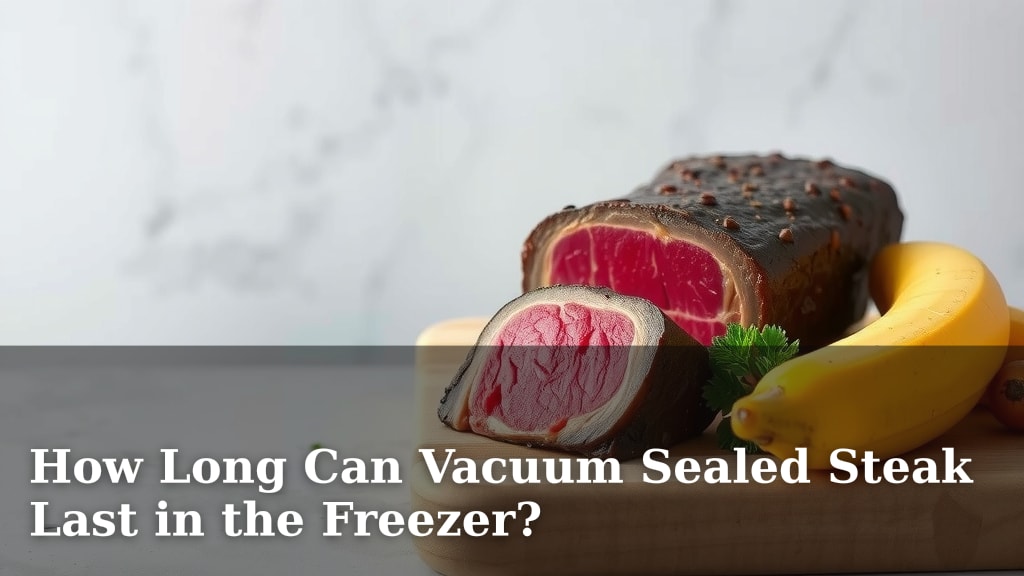
How Long Can Vacuum Sealed Steak Last in the Freezer?
When properly vacuum sealed, your steak can last 6 months to even a year in the freezer. This method creates an airtight seal, preventing freezer burn and preserving flavor. It’s a fantastic way to extend the life of your favorite cuts of beef.
Vacuum sealing is a game-changer for home cooks. It removes air around your food, which is the main culprit behind spoilage. You’ll find your frozen steaks retain a much better texture and taste compared to those stored in regular freezer bags.
- Vacuum-sealed steak can last 6-12 months in the freezer.
- This method protects against freezer burn.
- It helps maintain steak’s original flavor and texture.
- Proper sealing means less waste and more tasty meals later!
Let’s break down exactly how long your vacuum-sealed steak will stay delicious in the freezer and what factors play a role.
How Long Can Your Vacuum-Sealed Steak Stay Fresh in the Freezer?
Wondering how long that delicious steak will keep its quality in the freezer? You’re in the right place! When you use a vacuum sealer, you’re giving your steak a fantastic shield against the elements of the freezer.
Research shows that vacuum sealing is one of the best methods for long-term freezer storage. It removes almost all the air. This is key to preventing freezer burn. Freezer burn happens when food loses moisture to the dry freezer air. It leaves behind dry, icy patches that can ruin your steak’s texture and taste.
With a good vacuum seal, you can expect your steak to last much longer than in traditional packaging. We’re talking about months of deliciousness!
Understanding Freezer Life for Vacuum-Sealed Steaks
So, how long can you realistically expect your vacuum-sealed steak to stay in top condition? Most experts agree that 6 to 12 months is a safe bet for optimal quality.
Think of it like this: the vacuum sealer creates a snug, protective cocoon around your steak. This barrier stops oxygen from getting in. Oxygen is the enemy of freshness in the freezer. It can cause oxidation, which degrades flavor and nutrients over time.
While 6-12 months is the sweet spot for flavor and texture, many steaks can remain safe to eat for even longer. However, you might start to notice a slight decline in their prime condition after the one-year mark.
Factors Affecting Steak’s Freezer Longevity
Several things can influence how long your steak stays at its best. It’s not just about the vacuum seal; other elements play a role.
Steak Quality Before Sealing
You can’t make a subpar steak amazing just by freezing it. The initial quality of the steak matters a lot. Start with the freshest, highest-quality cut you can find. This means looking for good marbling and a bright red color.
Freezer Temperature Consistency
Your freezer’s temperature should be as stable as possible. Fluctuations can cause ice crystals to form and melt, which degrades quality. Aim for a consistent temperature of 0°F (-18°C) or below. This is the standard recommended by the USDA for safe freezing.
The Quality of the Vacuum Seal
Not all vacuum seals are created equal. A proper seal means no air pockets are left. If you see any gaps or suspect the seal isn’t completely airtight, it’s best to re-seal it. A weak seal is like a leaky roof; it won’t protect your steak effectively.
How the Steak Was Handled Post-Freezing
Even after sealing, try to handle your frozen steaks with care. Avoid dropping packages or stacking heavy items on top of them. This can damage the seal or the meat itself.
Comparing Vacuum Sealing to Other Methods
You might be used to wrapping steaks in plastic wrap or using freezer bags. Let’s see how vacuum sealing stacks up.
| Storage Method | Approximate Quality Lifespan | Protection Against Freezer Burn |
|---|---|---|
| Plastic Wrap & Freezer Bag | 2-4 months | Moderate |
| Aluminum Foil & Freezer Bag | 3-5 months | Good |
| Vacuum Sealing | 6-12 months | Excellent |
As you can see, vacuum sealing offers a significant advantage. It’s the gold standard for preserving steak quality in the freezer. The removal of air is the key differentiator.
The Science Behind the Seal
Why does removing air make such a difference? Air contains oxygen. Oxygen is a primary driver of spoilage. It reacts with fats in the meat, causing rancidity. It also contributes to the dehydration that leads to freezer burn.
Vacuum sealing creates an environment where these reactions are dramatically slowed down. It’s like putting your steak in a time capsule. The moisture is locked in, and the undesirable chemical changes are put on pause.
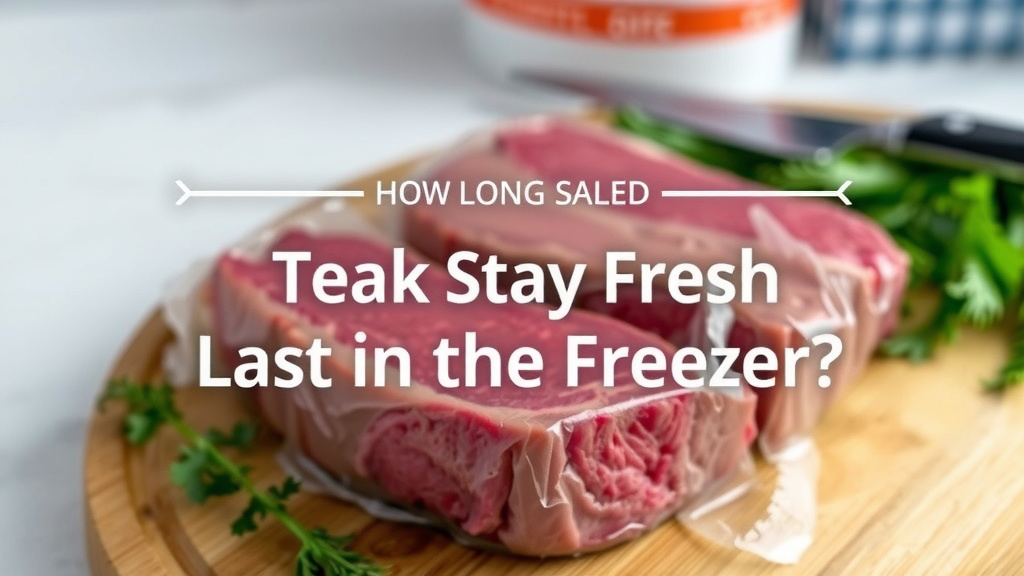
Tips for Maximizing Your Vacuum-Sealed Steak’s Freezer Life
Want to get the most out of your vacuum-sealed steaks? Follow these simple tips:
- Start with high-quality meat. Freshness is key.
- Portion steaks before sealing. This makes thawing easier later.
- Ensure a perfect seal every time. Check for any gaps.
- Label packages clearly. Include the date you sealed them.
- Store them flat initially. This saves freezer space.
- Maintain a consistent freezer temperature. Keep it at 0°F (-18°C) or lower.
These steps will help ensure your steak remains delicious for months to come. It’s about giving your steak the best possible environment for its long winter nap!
What to Expect When You Thaw
When you’re ready to enjoy your steak, thawing it properly is just as important as sealing it. Always thaw in the refrigerator. This is the safest method according to food safety guidelines.
A vacuum-sealed steak can be thawed directly in the fridge. If you’re in a hurry, you can also thaw it under cold running water. Just make sure the bag remains submerged and fully sealed.
Once thawed, your steak should look and smell fresh. You might notice a slight difference in color, which is usually normal and will disappear upon cooking. It should cook up beautifully, retaining much of its original tenderness and flavor.
Conclusion
You’ve learned that vacuum sealing is your best bet for keeping steaks fresh in the freezer. With a proper seal and a consistently cold freezer, you can expect your steaks to maintain excellent quality for 6 to 12 months. This method is far superior to traditional methods like plastic wrap or freezer bags. Remember to start with quality meat and maintain a stable freezer temperature of 0°F (-18°C) or below for the best results. Now you’re ready to stock your freezer with confidence, knowing your delicious steaks will be ready when you are!
Frequently Asked Questions
Can I freeze vacuum-sealed steak for longer than a year?
While vacuum-sealed steak can remain safe to eat for longer than a year, its optimal quality for flavor and texture is typically within the 6-12 month window. After a year, you might start to notice a slight decline in its best condition, though it should still be perfectly safe to consume if properly stored.
Does the type of steak affect how long it can be frozen?
The cut of steak itself doesn’t drastically change the vacuum-sealed freezer life. However, leaner cuts might be slightly more prone to texture changes over very long periods than well-marbled steaks. The quality of the seal and freezer temperature are far more critical factors for all cuts.
What should I do if I find a small air pocket in my vacuum-sealed steak bag?
If you discover a small air pocket after sealing, it’s best to re-seal the bag. Even a tiny amount of air can compromise the seal’s effectiveness over time, potentially leading to freezer burn or reduced quality. Simply run the bag through your vacuum sealer again, ensuring a tight seal this time.
Is it okay to thaw vacuum-sealed steak at room temperature?
No, it’s not recommended to thaw vacuum-sealed steak at room temperature. This can allow bacteria to multiply rapidly. The safest methods are to thaw slowly in the refrigerator or, if you need it sooner, under cold running water in its sealed bag.
How can I tell if my vacuum-sealed steak has gone bad?
Even vacuum-sealed steaks can spoil if stored improperly or for too long. Look for any signs of mold, a foul or sour smell, or a slimy texture upon thawing. If the steak looks or smells questionable, it’s best to discard it to be safe.

![7 Best Clear Plastic For Vacuum Forming [2026]](https://bathroomexplorer.com/wp-content/uploads/2026/05/7-best-clear-plastic-for-vacuum-forming-2026-featured-768x432.jpg)