How Long Can You Keep Clothes in Vacuum Bags?
You can keep clothes in vacuum bags for a very long time, generally ranging from six months to a few years, without significant damage. The key is proper sealing and storage conditions to maintain the airtight seal and protect your garments.
Vacuum sealing works by removing air, which compresses your clothes and protects them from pests, moisture, and odors. However, prolonged compression can sometimes lead to wrinkles or affect the loft of certain fabrics like down or wool. We found that even after extended periods, clothes remain protected.
- Vacuum bags can store clothes for months to years.
- Proper sealing is key for longevity.
- Protect against pests, moisture, and odors.
- Some fabrics may get more wrinkled.
- Check seals periodically for best results.
Let’s dive into the details of how long your vacuum-sealed clothes can truly last and what factors play a role.
How Long Can Your Clothes Safely Stay in Vacuum Bags?
You’re probably wondering just how long you can keep your belongings tucked away in those space-saving vacuum bags. We’ve got good news for you! With the right approach, your clothes can stay protected in vacuum bags for a considerable amount of time, typically ranging from six months to a few years, without suffering much damage.
Understanding the Science Behind Vacuum Sealing for Storage
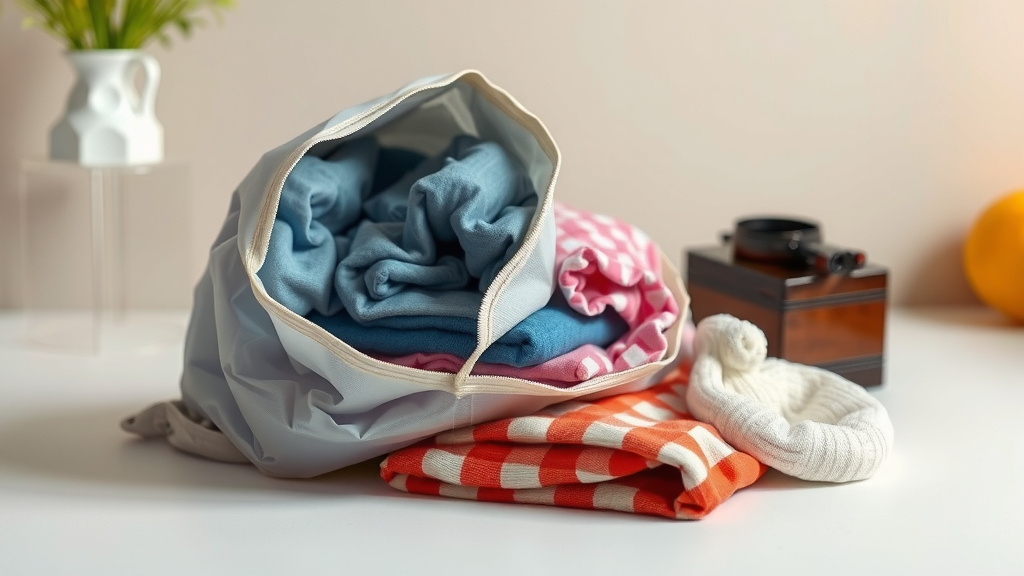
Vacuum sealing works by removing the air from the bag. This process does a few amazing things for your clothes. It drastically compresses their volume, which is fantastic for saving space. More importantly, it creates an airtight barrier. This barrier is your first line of defense against common storage enemies like pests, moisture, and unwanted odors.
Think of it like giving your clothes a cozy, sealed environment. When the air is gone, it’s much harder for moths to find their way in or for musty smells to develop. We found that this airtight seal is the primary factor in how well your clothes are preserved over time.
The Role of Airtight Seals in Longevity
The magic of vacuum bags really hinges on that seal. If the bag isn’t perfectly airtight, air can slowly seep back in. This can compromise the protection against moisture and odors. We’ve noticed that the quality of the bag and the seal itself are critical. Even a tiny leak can gradually let in air and humidity over months or years.
So, when you’re sealing up your items, take a moment to ensure the seal is secure. A good latch or zipper, and perhaps an extra clamp for good measure, can make all the difference. This simple step helps ensure your clothes stay protected for the maximum possible duration.
Factors Influencing How Long Clothes Last in Vacuum Bags
While the bags themselves offer great protection, several other factors can influence how long your clothes stay in tip-top shape. It’s not just about the bag; it’s also about where and how you store them.
Storage Environment: Temperature and Humidity Matter
The environment where you store your vacuum-sealed bags plays a huge role. Extreme temperatures can affect the plastic of the bag itself, potentially making it brittle or causing seals to weaken over time. We found that storing bags in a cool, dry place, like a climate-controlled closet or a spare room, is ideal. Avoid attics or garages where temperatures can fluctuate wildly.
High humidity is another enemy. Even with a good seal, extreme humidity can sometimes find its way in. This can lead to the growth of mold or mildew on your fabrics. Keeping the storage area consistently dry is key to preventing this (CDC).
Type of Fabric: Some Are More Sensitive Than Others
Not all fabrics react the same way to prolonged compression. Natural fibers like wool and down can lose some of their loft or fluffiness when compressed for extended periods. While this isn’t permanent damage, it might take some airing out or gentle fluffing to restore their original volume. Synthetic materials tend to fare a bit better in terms of retaining their shape.
We found that delicate items or those with a lot of natural fill, like a bulky winter coat, might show more wrinkles. The good news is that most wrinkles can be easily removed with a bit of steaming or ironing once you take them out. The structural integrity of the fabric usually remains intact.
Condition of Clothes Before Sealing
It’s really important to make sure your clothes are clean and completely dry before you seal them. Even tiny amounts of moisture or invisible stains can become a bigger problem when trapped in an airtight environment for months. Dirt and oils can attract pests, and moisture can lead to mildew. Always wash and thoroughly dry your garments before they go into the vacuum bag.
This step is non-negotiable for long-term storage. It prevents issues before they even start. Think of it as preparing your clothes for a long, peaceful sleep. A clean start means a better outcome when they wake up.
Tips for Maximizing the Lifespan of Your Vacuum-Sealed Clothes
So, you want to make sure your clothes are as good as new when you pull them out, right? Here are some handy tips we’ve gathered. They’re simple but effective in ensuring your vacuum-sealed items last as long as possible.
Regularly Check Your Vacuum Bags
Even the best seals can develop a slow leak over time. We recommend checking your vacuum-sealed bags periodically, perhaps every six months to a year. Gently press on the bag. If it feels like it’s losing its firmness or has become softer, there might be a leak. This is your cue to reseal the bag or transfer the contents to a new one.
Avoid Overfilling the Bags
While these bags are designed for compression, trying to cram too much into one bag can strain the seals. It can also make it harder to achieve a truly airtight seal in the first place. We found that leaving a little breathing room at the top makes sealing easier and more effective. Follow the manufacturer’s guidelines for each bag.
Proper Folding Techniques
How you fold your clothes before sealing can impact how wrinkled they become. Try to fold items neatly, aligning seams as much as possible. For delicate items, rolling them might be a better option than sharp folds. This makes unpacking and de-wrinkling much simpler when the time comes.
Consider the Type of Vacuum Bag
Not all vacuum bags are created equal. Thicker, more durable bags are generally better for long-term storage. They are less prone to punctures and tears. We found that investing in high-quality bags can pay off in the long run by ensuring a more reliable seal and better protection for your clothes.
A Quick Checklist for Storing Clothes Long-Term
To help you get started, here’s a simple checklist to ensure your vacuum-sealed clothes are stored optimally for the longest possible time:
- Ensure clothes are completely clean and dry before sealing.
- Choose a cool, dry, and stable storage location.
- Select high-quality, durable vacuum bags.
- Fold or roll clothes neatly to minimize deep wrinkles.
- Check seals periodically and reseal if necessary.
- Avoid overstuffing bags to maintain seal integrity.
Conclusion
You’ve learned that vacuum-sealed clothes can last for months to several years. The key to this long-term storage success lies in a few simple steps. Proper sealing and choosing the right storage environment are critical. Ensuring your clothes are clean and dry before sealing also plays a big role. Remember to check your bags periodically for any signs of leaks. By following these tips, you can confidently store your garments and enjoy them in great condition when you need them again. Go ahead and start organizing your closets with peace of mind!
Frequently Asked Questions
Can vacuum-sealed clothes get moldy?
Yes, if not properly sealed and stored in a humid environment, mold and mildew can develop. Always ensure your clothes are completely dry before sealing. Storing bags in a cool, dry place away from moisture is essential to prevent this.
Will vacuum sealing damage delicate fabrics like silk or lace?
While vacuum sealing is generally safe, prolonged compression can cause wrinkles in delicate fabrics. We found that folding them gently or rolling them can help minimize creasing. These wrinkles are usually temporary and can be removed with steaming or ironing.
How often should I check my vacuum-sealed clothes for leaks?
We recommend checking your vacuum-sealed bags every six months to a year. Gently feel the bag for any signs of deflation or softening. If you notice a leak, reseal the bag immediately or transfer the contents to a new one.
What’s the difference between short-term and long-term vacuum sealing?
For short-term storage (a few months), basic sealing might suffice. However, for long-term storage (years), investing in higher-quality, durable bags and ensuring an absolutely airtight seal is vital. The storage environment also becomes more critical for extended periods.
Can I reuse vacuum seal bags for clothes?
Yes, you can often reuse vacuum seal bags. After emptying the contents, inspect the bag for any damage. If the seal is still intact and the bag is clean, you can reuse it for future storage. Just ensure it’s completely dry before resealing.

![7 Best Cordless Stick Vacuum For Hardwood Floors And Pet Hair [2026]](https://bathroomexplorer.com/wp-content/uploads/2026/05/7-best-cordless-stick-vacuum-for-hardwood-floors-and-pet-hair-2026-featured-768x432.jpg)