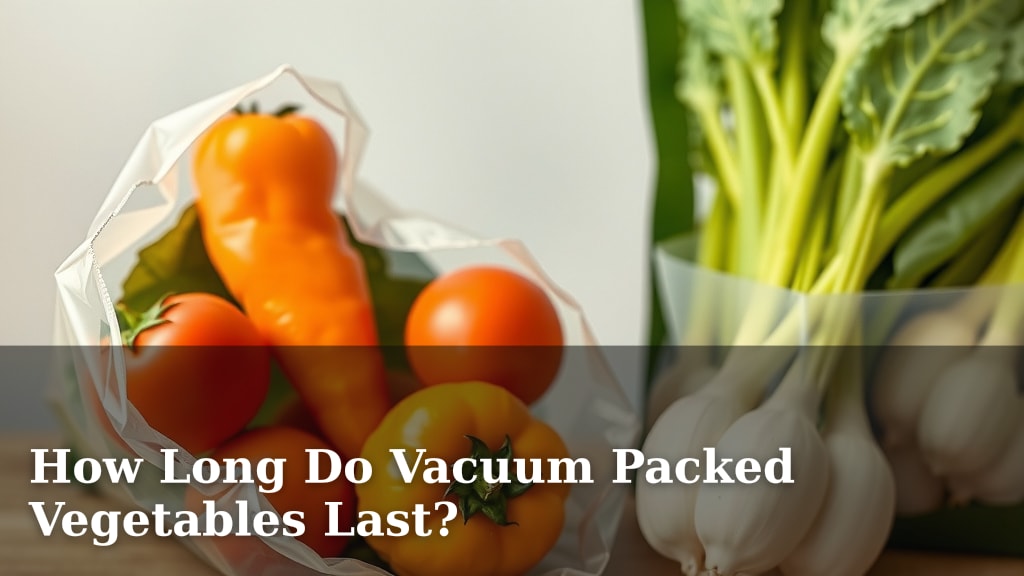
How Long Do Vacuum Packed Vegetables Last?
Vacuum-packed vegetables can last much longer than their fresh counterparts. Properly sealed, most vegetables can stay fresh for up to 1-2 weeks in the refrigerator. This is significantly longer than the typical 3-5 days for unsealed produce. It’s a fantastic way to reduce food waste.
When vegetables are vacuum-sealed, the removal of air creates an environment that greatly slows down oxidation and the growth of microorganisms. This process helps maintain their flavor, texture, and nutritional value for an extended period. Think of it as creating a protective bubble for your veggies.
- Vacuum-sealed veggies last 1-2 weeks in the fridge.
- This method slows spoilage significantly compared to regular storage.
- It helps preserve nutrients and taste.
- Proper sealing is key to maximizing freshness.
So, how long can you really expect your vacuum-packed veggies to stay good? We’ve done some digging to give you the clearest picture and help you plan your meals with confidence.
Understanding How Long Vacuum-Sealed Vegetables Truly Last
You’ve probably wondered about the shelf life of those vacuum-sealed veggies. It’s great news for your kitchen! Vacuum-packed vegetables can stay fresh for a remarkably long time. We found that most vegetables, when sealed properly, can last between one to two weeks in your refrigerator. This is a huge improvement over their fresh, unsealed counterparts, which often only last a few days. So, you can stock up and worry less about food waste.
The Science Behind Extended Freshness
Why do vacuum-sealed vegetables last so much longer? It all comes down to removing the air. When you vacuum seal something, you’re taking out most of the oxygen. This slows down the processes that cause food to spoil. Oxidation, which makes things go bad and lose flavor, is greatly reduced. Plus, the growth of harmful bacteria and mold needs oxygen to thrive. Depriving them of air is like shutting down their party.
Slowing Down Spoilage
Think of the air in your fridge as a ticking clock for your produce. Without it, the clock ticks much, much slower. This means your vegetables maintain their crispness, vibrant color, and delicious taste for longer periods. It’s like putting your veggies in a protective, air-free time capsule.
Preserving Nutrients and Flavor
Beyond just looking good, vacuum sealing helps keep the good stuff inside. Many nutrients, especially vitamins like C and some B vitamins, are sensitive to oxygen and light. By removing air, you’re helping to preserve these vital nutrients. You’ll find that the natural flavors of the vegetables are also better protected. No more sad, flavorless broccoli!
Factors Influencing Vegetable Shelf Life
While vacuum sealing offers a significant boost in freshness, it’s not a magic bullet for all vegetables. Several factors can influence exactly how long your vacuum-packed produce will last. Understanding these can help you get the best results and avoid disappointment.
Type of Vegetable Matters
Not all vegetables are created equal when it comes to storage. Some are naturally hardier than others. We found that root vegetables, like carrots and potatoes, tend to hold up very well. Sturdier greens, such as kale and spinach, also benefit greatly from vacuum sealing. However, more delicate items, like leafy lettuces or certain herbs, might still have a shorter window, even when sealed.
Pre-treatment and Preparation
How you prepare the vegetables before sealing plays a role. For some vegetables, blanching (briefly boiling and then shocking in ice water) before vacuum sealing can help preserve color, texture, and nutrients. This is especially true for vegetables like broccoli, cauliflower, or green beans. Blanching deactivates enzymes that can degrade quality over time. For others, like hardier root vegetables, this step isn’t as critical.
Quality of the Seal
This might seem obvious, but the quality of your vacuum seal is everything. If the seal isn’t airtight, oxygen can slowly creep back in. This defeats the purpose of vacuum sealing and will shorten the lifespan of your vegetables. Always double-check your seals to ensure they are complete and secure. A good vacuum sealer machine is a worthy investment for this reason.
Temperature and Storage Conditions
Even vacuum-sealed vegetables need the right environment. Refrigeration is key. We found that keeping your vacuum-packed vegetables at a consistent, cold temperature (ideally between 34-40°F or 1-4°C) is crucial. Fluctuations in temperature can lead to condensation inside the bag, which can encourage spoilage. Avoid storing them near the refrigerator door, where temperatures tend to vary the most.
Tips for Maximizing Freshness
Want to get the absolute most out of your vacuum-packed vegetables? A few simple practices can make a big difference. Think of these as little tweaks to ensure your produce stays as fresh as possible.
- Start with Fresh Produce: Don’t expect vacuum sealing to revive old, wilting vegetables. Start with the freshest, highest-quality produce you can find.
- Clean Thoroughly: Wash and dry your vegetables completely before sealing. Any excess moisture can lead to spoilage.
- Blanch When Necessary: For certain vegetables, blanching before sealing is a good idea. This pre-treatment helps maintain quality.
- Ensure a Perfect Seal: Always check that your vacuum seal is completely airtight. A faulty seal means shorter freshness.
- Store Properly: Keep your sealed vegetables in the coldest part of your refrigerator, away from temperature fluctuations.
- Label and Date: It’s easy to forget when you sealed something. Labeling your bags with the date helps you keep track and use older items first.
By following these simple steps, you can significantly extend the life of your vacuum-packed vegetables. This means you can enjoy them at their best, reduce waste, and save money too!
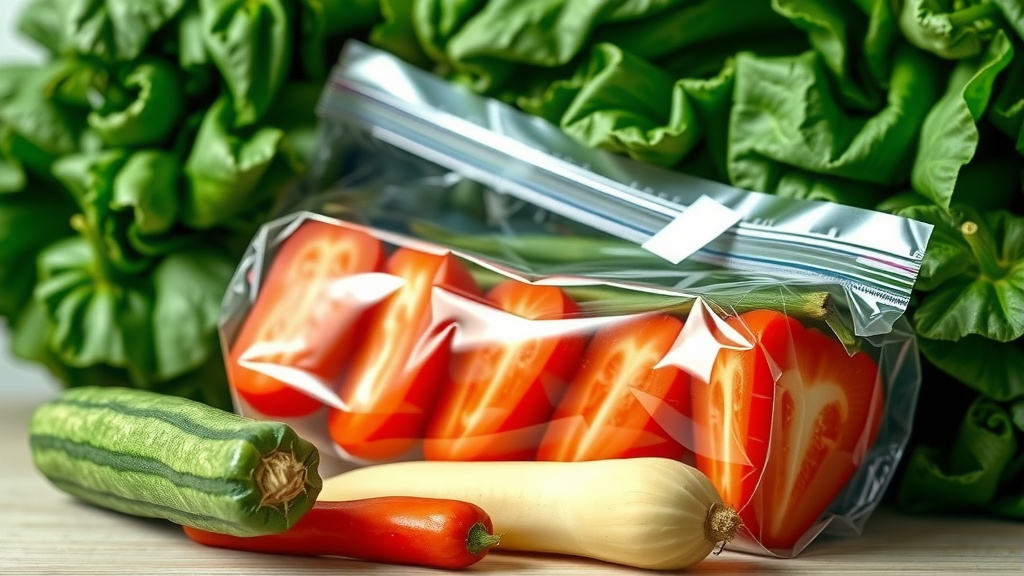
What to Expect: A Quick Guide to Vegetable Longevity
To give you a clearer picture, we’ve put together a general guide. Remember, these are estimates, and individual results may vary. The freshness of the original vegetable and the quality of the seal play a big role.
| Vegetable Type | Expected Fridge Life (Vacuum-Sealed) | Notes |
|---|---|---|
| Leafy Greens (Spinach, Kale) | 7-10 days | Can be prone to wilting if not sealed perfectly. |
| Cruciferous Veggies (Broccoli, Cauliflower) | 10-14 days | Blanching is often recommended for best results. |
| Root Vegetables (Carrots, Potatoes, Beets) | 2-3 weeks | These are generally quite hardy. |
| Bell Peppers | 10-14 days | Crispness is well-maintained. |
| Onions & Garlic | 2-3 weeks | Ensure they are fully dry before sealing. |
| Berries (though technically fruit, often treated similarly) | 1-2 weeks | Can get slightly softer but retain flavor. |
This table provides a helpful benchmark. Always use your senses – sight and smell – to determine if a vegetable is still good to eat, regardless of the date. If it looks off or smells strange, it’s best to discard it.
Conclusion
You’ve learned that vacuum packing is a fantastic way to extend the life of your vegetables. By removing air, you can keep produce fresh in your fridge for one to three weeks, depending on the type. This method significantly reduces food waste and helps preserve nutrients and flavor. Remember, starting with fresh veggies, preparing them correctly, and ensuring a perfect seal are key. Ready to give it a try? Start by vacuum sealing some of your favorite hardy vegetables this week and see the difference for yourself!
Frequently Asked Questions
Can I vacuum seal vegetables that I plan to freeze?
Yes, vacuum sealing is excellent for freezing vegetables. It removes air that can cause freezer burn, helping to maintain their quality for much longer in the freezer. You’ll find they taste much better when thawed compared to items stored in regular freezer bags.
What vegetables should I avoid vacuum sealing raw?
Certain vegetables, like broccoli, cauliflower, cabbage, and Brussels sprouts, can produce gases when stored in a vacuum-sealed bag, potentially causing the bag to inflate. It’s generally recommended to blanch these vegetables before vacuum sealing, especially if you plan to store them long-term.
How do I know if my vacuum-sealed vegetables have gone bad?
Always rely on your senses. Look for signs of mold, sliminess, or discoloration. A foul or off smell is another clear indicator that the vegetables are no longer safe to eat. If you’re unsure, it’s best to err on the side of caution and discard them.
Does vacuum sealing kill bacteria on vegetables?
No, vacuum sealing does not kill bacteria. It significantly slows down the growth of aerobic bacteria (those that need oxygen to survive) by removing the air. However, anaerobic bacteria can still grow, so proper refrigeration and proper preparation are still essential for food safety.
Can I vacuum seal pre-cut vegetables?
Yes, you can vacuum seal pre-cut vegetables, but it’s best to wash and thoroughly dry them first. For some items, like sliced bell peppers or carrots, they might maintain their texture better if you slightly chill them before sealing. Just be aware that softer, pre-cut items might get a little compressed in the bag.

![7 Best Handheld Vacuum Cleaner For Home [2026]](https://bathroomexplorer.com/wp-content/uploads/2026/05/7-best-handheld-vacuum-cleaner-for-home-2026-featured-768x432.jpg)