How Long Do Vacuum Sealed Bags Stay Sealed?
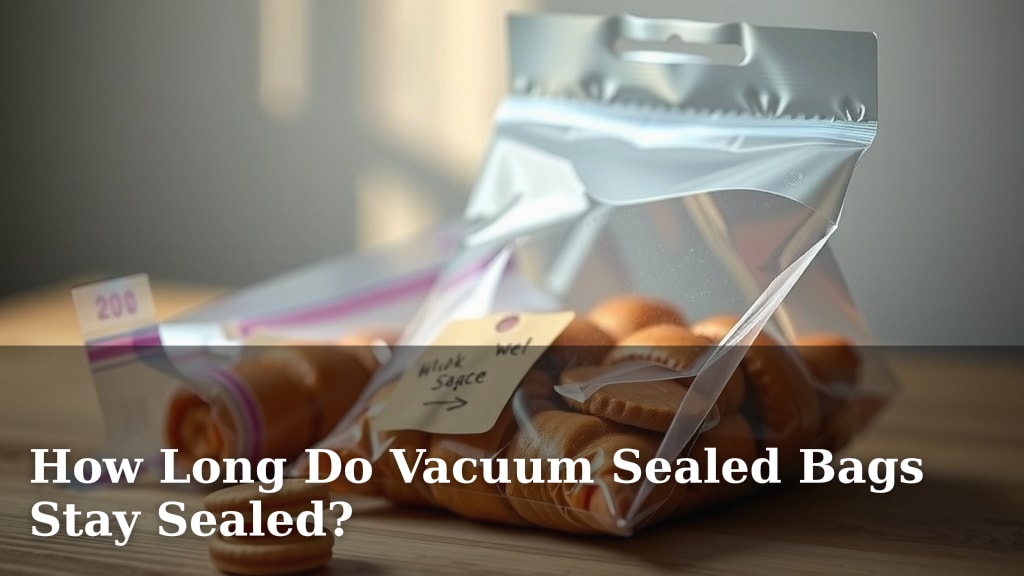
Generally speaking, vacuum sealed bags can stay sealed for months or even years, provided they are properly sealed and stored. The main factors influencing how long your vacuum sealed bags remain airtight are the quality of the bag and the storage conditions.
You might be wondering if your food will stay fresh forever. While vacuum sealing significantly extends shelf life, it doesn’t create a magical shield against all spoilage. The type of food and its initial freshness play a role. We found that understanding these elements helps you get the most out of your vacuum sealing efforts.
- Vacuum sealed bags can last for months to years.
- Proper sealing technique is key to longevity.
- Storage conditions greatly impact how long they stay sealed.
- Food type and initial quality matter for freshness.
Ready to get the most out of your vacuum sealer? Let’s break down what keeps those bags sealed tight and for how long.
How Long Can Vacuum Sealed Bags Maintain Their Seal?
Generally, a properly vacuum sealed bag can maintain its seal for a **long time**. We found that for dry goods, this can extend from **months to several years**. For fresh foods like meats and vegetables, you’re looking at an extended shelf life of **weeks to months** beyond traditional storage methods. The key is understanding what influences this longevity.
The Science Behind the Seal: What Keeps Bags Airtight?
Vacuum sealing removes most of the air from the bag. This creates a tight seal. It also makes it harder for oxygen to enter. Oxygen is a major culprit in food spoilage. It promotes the growth of bacteria and causes oxidation. By removing it, you slow down these processes significantly.
The Role of the Bag Material
Not all vacuum seal bags are created equal. The quality of the plastic plays a big part. Thicker, multi-layered bags tend to be more durable. They are also less permeable to air. Cheaper, thinner bags can develop tiny pinholes over time. This can lead to a slow loss of vacuum. We found that investing in good quality bags makes a real difference.
Understanding Permeability
Even the best bags aren’t perfectly impermeable. They still allow a tiny amount of air to pass through over extended periods. This is called permeability. It’s a natural property of plastic materials. Research suggests that certain types of plastics have lower permeability than others. This means they’ll hold a vacuum for longer.
Factors Affecting Seal Longevity
The Sealing Process Itself
How well you vacuum seal your food is critical. Your vacuum sealer machine needs to create a strong, complete seal. This means ensuring the bag edge is clean. It should also be free of any moisture or food particles. These can interfere with the heat-sealing bar. Many machines have different settings for dry and moist foods. Using the correct setting helps ensure a robust seal. We found that taking a moment to properly prepare the bag opening prevents many sealing issues.
Type of Food Sealed
What you put inside the bag matters. Foods with sharp edges, like bones in meat or sharp vegetable pieces, can puncture the bag. This is called “wicking”. To prevent this, you can use a paper towel to absorb excess moisture. You can also wrap sharp edges in a soft material like a paper towel before sealing. For very sharp items, consider a pre-freeze step or a barrier bag.
The moisture content of the food is also important. Very moist foods can be harder to seal perfectly. Water can interfere with the heat seal. This is why many vacuum sealers recommend using the “moist” setting for these items. Sometimes, a double seal can add extra security.
Storage Conditions: The Great Unknown for Many
Where you store your vacuum sealed bags makes a huge difference. The ideal environment is cool, dark, and dry. Think of a pantry or a basement. Temperature fluctuations can cause the bag material to expand and contract. This can weaken the seal over time. High humidity can also be a problem. It can make the seal more susceptible to failure.
Temperature’s Impact on Seal Integrity
Storing bags at a consistent temperature is key. For foods that require refrigeration or freezing, this is even more important. Freezing, in particular, can help preserve the seal for longer. Cold temperatures slow down any potential molecular changes in the plastic. This helps maintain the bag’s integrity. We found that consistent cold storage extends the life of the seal considerably.
Light Exposure and Degradation
While not a direct cause of seal failure, prolonged exposure to UV light can degrade plastic over time. This can make the bag more brittle. It may eventually compromise the seal. Storing bags in opaque containers or in dark cupboards is a good practice. This helps protect the bag material itself.
Common Reasons for Seal Failure
Even with the best practices, seals can sometimes fail. Here are the most common culprits we found:
- Improper sealing: Food particles or moisture on the sealing edge.
- Bag damage: Punctures or tears from sharp food items.
- Poor quality bags: Thin or permeable materials breaking down over time.
- Temperature swings: Inconsistent storage temperatures weakening the seal.
- Air leakage: Tiny, undetectable leaks that slowly let air back in.
- Time: Even the best seals will eventually degrade.
Estimating the Lifespan: What to Expect
Estimating exactly how long a vacuum sealed bag will stay sealed can be tricky. It’s a blend of science and practical application. However, we can provide some general expectations.
For properly sealed dry goods like pasta, rice, flour, or jerky, you can often expect the vacuum seal to hold for 1 to 3 years. Some materials and conditions might even extend this further. For frozen foods like meats, poultry, or fish, the seal can typically last for 2 to 5 years. For refrigerated items such as cheese or cured meats, expect the seal to hold well for several weeks to a few months.
It’s important to remember these are estimates. Always check your food for signs of spoilage before consuming it. A lost vacuum seal doesn’t automatically mean the food is bad, but it means its shelf life has been drastically reduced.
Here’s a quick checklist to help you maximize your vacuum seal longevity:
- Use high-quality, food-grade vacuum seal bags.
- Ensure the bag opening is clean and dry before sealing.
- Pre-freeze or protect sharp food edges.
- Store sealed bags in a cool, dark, and consistent temperature environment.
- Regularly inspect your stored items for any signs of seal compromise.
- When in doubt, throw it out! Your safety comes first.
Conclusion
You’ve learned that vacuum sealed bags can remain sealed for a surprisingly long time, often months or even years, when done correctly. The quality of your bags and how you store them are your biggest allies. Remember, preventing punctures from sharp foods and ensuring a clean seal are simple steps that pay off big.
Now you have the knowledge to maximize your food’s freshness and minimize waste. Your next step is to apply these tips. Start by inspecting your current vacuum sealed items and making sure your storage conditions are optimal. Happy sealing!
Frequently Asked Questions
Can I vacuum seal something that’s already expired?
No, vacuum sealing doesn’t make expired food safe to eat. It primarily slows down spoilage processes. Always check the expiration date and the initial freshness of your food before sealing it.
How do I know if my vacuum sealed bag has lost its seal?
You’ll usually notice a loss of seal if the bag feels puffy or if it’s no longer tightly conforming to the food inside. Sometimes you can hear a faint hiss of air escaping.
Can I reuse vacuum seal bags?
Generally, reusable vacuum seal bags are designed for multiple uses. However, disposable vacuum seal bags are typically meant for one-time use to maintain optimal seal integrity.
Does freezing affect how long a vacuum seal lasts?
Freezing actually helps preserve the vacuum seal for longer. The cold temperatures slow down any potential degradation of the plastic material and keep the seal robust for an extended period.
What’s the difference between vacuum sealing for refrigeration and freezing?
While vacuum sealing extends shelf life for both, the timeframe differs. Foods vacuum sealed for freezing can last years, whereas vacuum sealed refrigerated items typically last weeks to months longer than traditional storage.