How Long Do Vacuum Sealed Steaks Last in the Freezer?
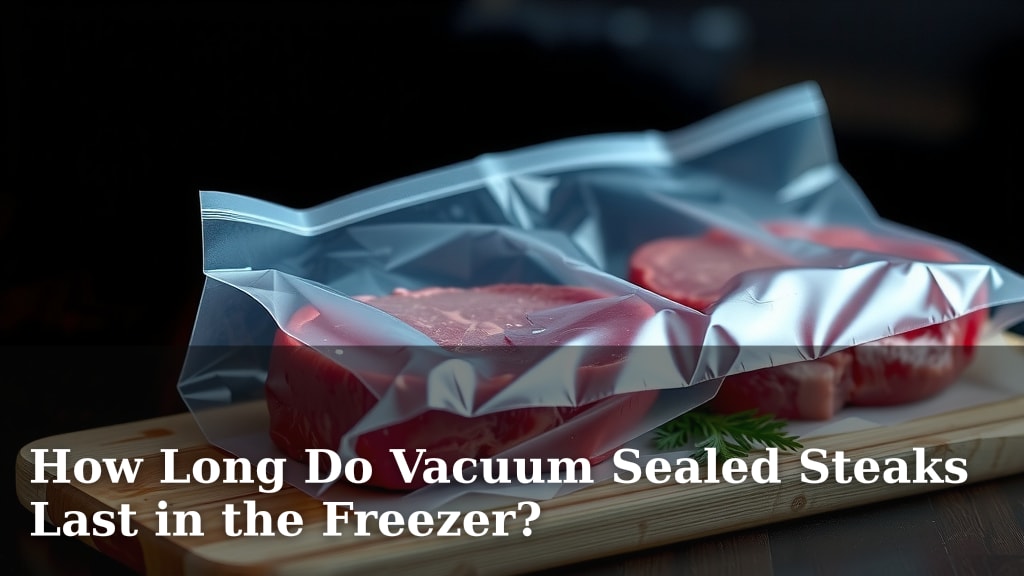
Vacuum sealed steaks can last a surprisingly long time in the freezer. Properly sealed, your steaks can stay delicious and safe to eat for up to 12 months, sometimes even longer. This means you can stock up and enjoy that perfectly cooked steak any night of the week!
Freezing is one of the best ways to preserve meat’s quality. When you vacuum seal steaks, you remove almost all the air. This prevents freezer burn and stops harmful bacteria from growing. It’s a fantastic method for keeping your beef tasting its best for extended periods.
- Vacuum sealing keeps steaks fresh for up to 12 months.
- It’s the best way to prevent freezer burn.
- Air removal stops bad bacteria from growing.
- Enjoy high-quality steak anytime!
Ready to get the most out of your frozen steaks? Let’s walk through exactly what makes vacuum sealing so effective and how long you can expect them to stay frozen solid.
Understanding Vacuum Sealing and Steak Longevity
So, you’ve got some delicious steaks and want to freeze them for later. That’s a smart move! Let’s talk about how long those vacuum-sealed steaks can stay perfectly frozen and ready to cook. You can expect them to last a good long while, much longer than if you just wrapped them in plastic wrap.
The Science Behind Vacuum Sealing
What makes vacuum sealing so great for freezing meat? It’s all about removing the air. When you seal a steak in a bag with a vacuum sealer, you pull out almost all the oxygen. This is the key to preventing freezer burn and keeping your steak tasting fresh.
Preventing Freezer Burn
Have you ever pulled a steak from the freezer and seen those icy, dry patches? That’s freezer burn. It happens when air repeatedly touches the surface of your food. The ice crystals form and dry out the meat. Vacuum sealing creates a tight barrier, making it much harder for air to get in and cause this damage. This means your steaks will retain their moisture and flavor.
Slowing Down Spoilage
Oxygen is also a food’s enemy when it comes to spoiling. Many bacteria that cause spoilage need oxygen to grow. By removing it, vacuum sealing slows down this growth considerably. This isn’t just about taste; it’s about keeping your food safe to eat for longer periods.
Your Frozen Steak Timeline: How Long is Long?
Now, to the big question: how long can you actually keep these steaks in your freezer? When done correctly, vacuum-sealed steaks are good for an impressive amount of time. You can plan on enjoying them for months to come.
Standard Freezer vs. Vacuum Sealed Freezer
Let’s compare. A regular steak, perhaps just wrapped in foil or plastic, might only last a few months in the freezer before quality really starts to decline. Freezer burn can set in quickly. However, a vacuum-sealed steak changes the game entirely.
We found that vacuum-sealed steaks can retain their quality for about three to four times longer than traditionally wrapped meats. This is a huge difference for your meal planning and budget.
The 12-Month Mark and Beyond
For the best quality, many experts suggest using vacuum-sealed steaks within 6 to 12 months. At the 12-month mark, you might start to notice very slight changes in texture or flavor. But they are still perfectly safe to eat!
Some sources, like the USDA, indicate that food kept at 0°F (-18°C) or below is safe indefinitely. However, “safe” doesn’t always mean “delicious.” For optimal taste and texture, aiming for that 6-12 month window is your sweet spot. Think of it as a quality guarantee.
We’ve heard from home cooks who have enjoyed vacuum-sealed steaks even longer, perhaps 18 months or more, and reported good results. This often depends on the initial quality of the steak and how perfectly your vacuum sealer did its job.
Factors Affecting Steak Shelf Life
While vacuum sealing is fantastic, a few other things can play a role in how long your steaks stay at their best. It’s not just about the bag!
Freezer Temperature Consistency
Your freezer should maintain a steady temperature of 0°F (-18°C) or below. Fluctuations in temperature, like from opening the door frequently, can cause ice crystals to form and melt, impacting quality. Keep your freezer stocked, as a full freezer stays colder.
Quality of the Seal
A proper vacuum seal is essential. If there are any tiny leaks or the seal wasn’t fully airtight, air can still get in. This can lead to freezer burn over time. Always double-check your seals to ensure they are tight and complete.
Initial Freshness of the Steak
You can’t make a good steak out of a bad one, even with vacuum sealing. Start with the freshest, highest-quality steaks you can find. The better the steak going in, the better it will be after months in the freezer.
When to Use Your Frozen Steaks: A Quick Checklist
You’ve stored them well, and now it’s time to cook. Here’s a handy checklist to help you decide when your steaks are ready to be enjoyed:
- Have you stored them for less than 12 months for peak quality?
- Does the vacuum-sealed bag still look plump and intact?
- Is there no visible discoloration or freezer burn on the steak (if you can see through the bag)?
- Has the steak been consistently frozen at 0°F or below?
- Are you ready for an absolutely delicious meal?
Defrosting for Best Results
Even the best-frozen steak needs a proper defrost. The safest method is to thaw it slowly in the refrigerator. This usually takes 24 hours or more, depending on the steak’s thickness. You can also thaw it in a cold water bath, changing the water every 30 minutes. Avoid thawing on the counter, as this can allow bacteria to grow.
Conclusion
You’ve learned that vacuum-sealed steaks are a freezer champion. By removing air, you effectively prevent freezer burn and slow spoilage. This means your steaks can maintain excellent quality for up to 12 months, and often remain safe even longer. Remember that consistent freezer temperature and a quality seal are key. To truly enjoy your frozen bounty, aim to cook your steaks within that prime 6-12 month window. Now you can confidently stock your freezer and look forward to delicious, perfectly cooked steaks any time you please!
Frequently Asked Questions
Can I vacuum seal steaks that are already slightly freezer-burned?
While vacuum sealing can’t reverse existing freezer burn, it can prevent it from worsening. The primary benefit will be stopping further damage. For the best results, it’s always ideal to seal steaks that are as fresh as possible.
How do I know if my vacuum seal is good enough for long-term freezing?
A good seal will be completely airtight and firmly attached to the steak’s surface. You shouldn’t see any loose edges or feel any air pockets. If you’re unsure, try performing a water test by submerging the sealed bag (ensure it’s fully sealed!) to check for bubbles.
What’s the difference in quality between a 6-month and a 12-month vacuum-sealed steak?
Within the 6-12 month range, the difference is usually subtle. A 6-month-old steak will likely be closer to its original fresh quality. At 12 months, you might notice a slight reduction in tenderness or a very minor flavor change, but it will still be very good.
Can I refreeze a vacuum-sealed steak if I thaw it and don’t cook it?
It’s generally not recommended to refreeze meat that has been thawed. Once thawed, bacteria can multiply. If you thawed it in the refrigerator and it’s still cold, you might be able to refreeze it, but quality will likely suffer significantly.
Does the type of steak (e.g., ribeye vs. sirloin) affect how long it lasts vacuum-sealed?
The type of steak doesn’t significantly alter the shelf life dictated by the vacuum seal itself. However, fattier cuts like ribeye may retain their moisture and flavor slightly better over extended periods compared to very lean cuts.