How Long Do You Leave a Vacuum Packed Mattress?
You generally want to leave a vacuum-packed mattress to **fully expand for at least 24 to 72 hours** before sleeping on it. This allows the compressed foam and materials inside your new mattress to **regain their intended shape and support**. Waiting the full recommended time ensures you get the best sleep experience possible.
While some mattresses might seem ready sooner, giving them ample time prevents potential issues. This includes uneven expansion, lingering chemical smells, or reduced comfort. Letting it breathe and expand properly is **key to enjoying your new mattress** as intended.
- Instant Answer: 24-72 hours of expansion time.
- Why Wait?: Allows full shape recovery and scent dissipation.
- Sleep Quality: Proper expansion means better comfort and support.
- Don’t Rush: Give your mattress the time it needs to settle.
Below, we’ll break down exactly why this waiting period is so important and what factors can influence how long your specific mattress needs to decompress. Let’s get your new bed ready for prime time!
Decompressing Your New Mattress: How Long to Wait
You’ve eagerly unboxed your new mattress. It’s likely looking a bit deflated and lumpy. That’s perfectly normal! Vacuum-packed mattresses need time to regain their intended shape and feel. Think of it like a sleeping bag that’s been squashed for months; it needs a good stretch. So, how long should you actually leave it to expand before it’s ready for prime sleeping time?
The general consensus among mattress manufacturers and sleep experts is that you should allow your vacuum-packed mattress to **fully expand for at least 24 to 72 hours**. This waiting period is not just a suggestion; it’s a vital step. It ensures all the internal components, especially the foam layers, have enough time to rebound. This process guarantees you get the intended comfort and support. Skipping this crucial step could lead to a less-than-ideal sleep experience.
The Science Behind Mattress Expansion
Ever wondered why mattresses are vacuum-packed in the first place? It’s a clever method to save space during shipping. High-pressure machines compress the mattress, expelling all the air. This makes it smaller and easier to roll or fold into a box. This compression, however, squeezes all the air out of the foam. Your mattress’s materials are like sponges that need to rehydrate with air.
Foam Rebound: The Key to Comfort
The primary materials in most modern mattresses are various types of foam. Memory foam, latex, and polyfoam are common. When compressed, these foams lose their cellular structure temporarily. They need time and exposure to room-temperature air to fully expand. This expansion allows the foam to regain its firmness, support, and cushioning properties. If you sleep on it too soon, the foam might still be too dense. It won’t offer the targeted pressure relief you expect.
Off-Gassing: Letting Smells Dissipate
Another important reason for the waiting period is something called “off-gassing.” When foam is manufactured, trace amounts of volatile organic compounds (VOCs) can be released. These are typically harmless, but they can create a distinct chemical odor. This smell is often strongest right after unboxing. Allowing your mattress to **expand in a well-ventilated room** helps these odors dissipate naturally. Many guidelines suggest airing out the room daily during the expansion period (Cleveland Clinic).
While the smell usually fades within a few days, giving it time to air out is best for your breathing comfort. It ensures your sleep environment remains fresh and pleasant. Most manufacturers assure that these VOCs are minimal and pose no long-term health risks. Still, a fresh-smelling room makes for a better night’s sleep, wouldn’t you agree?
Factors Influencing Expansion Time
While 24-72 hours is the general rule, a few factors can influence how long your mattress might take to fully expand. It’s helpful to understand these so you can be patient.
Mattress Type and Thickness
Thicker mattresses, especially those with multiple dense foam layers, may take longer to expand completely. A mattress that is 12 inches thick will likely need more time than one that is 8 inches thick. The density of the foam also plays a role. Higher-density foams can sometimes take a bit longer to decompress. We found that very thick, high-density mattresses sometimes require the full 72 hours, or even slightly longer.
Ambient Temperature and Humidity
The environment where you unbox your mattress can affect expansion speed. Cooler temperatures tend to slow down the expansion process. Conversely, warmer temperatures can speed it up slightly. High humidity might also play a minor role. Most manufacturers recommend setting up your mattress in a room with a moderate temperature, around 70-75°F (21-24°C). This is ideal for optimal foam recovery. You want a comfortable temperature for yourself, too, right?
Manufacturing Process and Compression Level
Each mattress manufacturer uses slightly different techniques and levels of compression. Some mattresses are compressed more tightly than others. The specific materials and how they were treated during manufacturing can also influence rebound time. It’s always best to check the specific instructions provided by your mattress brand. They know their product best!
Checking for Full Expansion
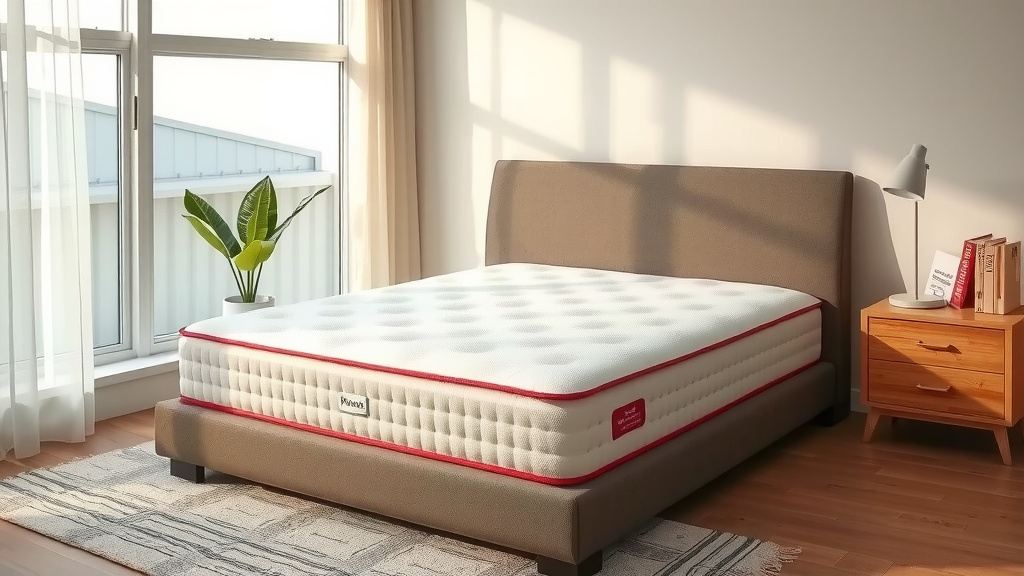
How can you tell if your mattress is fully expanded? Look for a few key signs. First, ensure the mattress is **completely flat and firm** across its entire surface. Gently press down on different areas. It should feel uniform and supportive, with no noticeable sagging or soft spots. Second, check the edges. They should be well-defined and upright, not rounded or slumped. Finally, the “new mattress smell” should have significantly diminished or disappeared entirely.
Maximizing Your Mattress’s Expansion
You’ve invested in a new mattress, so you want to ensure it performs at its best. A few simple steps can help the expansion process along. These aren’t complicated, just thoughtful.
The Unboxing Ritual: A Checklist
Here’s a quick checklist to help you through the unboxing and expansion process:
- Unpack the mattress as soon as it arrives.
- Remove all plastic packaging carefully.
- Place it on a clean, flat surface.
- Ensure the room is well-ventilated.
- Allow the full recommended time before sleeping on it.
- Check for evenness and firmness before use.
Room Preparation for Optimal Rebound
The room you set up your mattress in matters. Open windows, even if it’s a bit chilly, can help circulate air. A ceiling fan or a portable fan can also be beneficial. Avoid placing the mattress in a humid basement or a small, stuffy closet during its initial expansion phase. Good airflow is the mattress’s best friend right now. It helps everything settle in nicely.
Patience is a Virtue (Especially for Sleep!)
We know it’s tempting to jump onto your new bed the moment it looks mostly flat. However, rushing the process could mean compromising its longevity and your sleep quality. Think of it as giving your mattress a chance to wake up properly. It’s like letting dough rise before baking; you need that time for the best result. So, resist the urge and let your mattress reach its full potential.
Troubleshooting Common Expansion Issues
Sometimes, even with patience, you might encounter a minor issue. Here’s how to handle them.
Uneven Expansion or Lumps
If you notice any lumps or uneven areas after the recommended expansion time, don’t panic. Gently press and knead the affected areas. Sometimes, this can help the foam settle into its correct shape. If the problem persists, especially with major indentations, contact the manufacturer. Most reputable brands offer a warranty that covers such manufacturing defects. We found that significant, persistent lumps are rare but do occur.
Lingering Odors
If the off-gassing smell is still noticeable after 72 hours, continue to ventilate the room. You can place baking soda in open containers near the mattress. It’s known for absorbing odors. Ensure the room has good airflow throughout the day. For most people, the smell fades completely within a week. If it remains strong and bothersome, it’s worth checking with the manufacturer.
Mattress Still Feels Too Soft or Firm
Remember that the initial feel of a new mattress can be different from what you’re used to. Foam, especially memory foam, will soften slightly with use. If it feels too firm, spending a few nights on it often helps. If it feels too soft and unsupportive, this might be a sign of improper expansion or a defect. In such cases, contacting the manufacturer is the best course of action. They can guide you through the warranty process if needed.
Conclusion
You’ve learned that patience is key when it comes to your new vacuum-packed mattress. Giving it the full 24 to 72 hours to expand ensures you get the best support, comfort, and a fresh sleeping environment. Rushing this process can lead to an uneven bed and lingering smells. Check for full expansion by ensuring the mattress is firm, flat, and has well-defined edges, with minimal odor. Now that your mattress is ready, you can look forward to many nights of restful sleep. Go ahead and enjoy your perfectly expanded new bed!
Frequently Asked Questions
What happens if I sleep on my mattress before it’s fully expanded?
Sleeping on a mattress too soon can result in uneven expansion, causing lumps or soft spots. It might also feel less supportive than intended. The foam may not have fully regained its structure, impacting your comfort and the mattress’s long-term performance.
Can I speed up the expansion process with fans or heaters?
While good ventilation is helpful, using direct heat or powerful fans too aggressively isn’t recommended. Extreme temperatures can potentially affect the foam’s integrity. Moderate room temperatures and natural airflow are best for gradual and even expansion.
How long does the “new mattress smell” usually last?
The initial chemical odor, known as off-gassing, typically fades significantly within the first 24-72 hours of expansion. For some, it might take up to a week to completely dissipate. Proper ventilation during the expansion period helps this process considerably.
Is it okay to put my mattress protector on during the expansion time?
It’s generally best to leave your mattress uncovered during its initial expansion phase. This allows for maximum airflow to all surfaces, aiding in even decompression and helping the off-gassing process. You can add your protector once it’s fully expanded.
What if my mattress company says a shorter time than 24-72 hours?
Always prioritize the specific instructions from your mattress manufacturer. Some brands may have tested their products and found a shorter time sufficient. If their guideline is less than 24 hours, confirm it’s for full expansion and not just initial setup before you sleep on it.