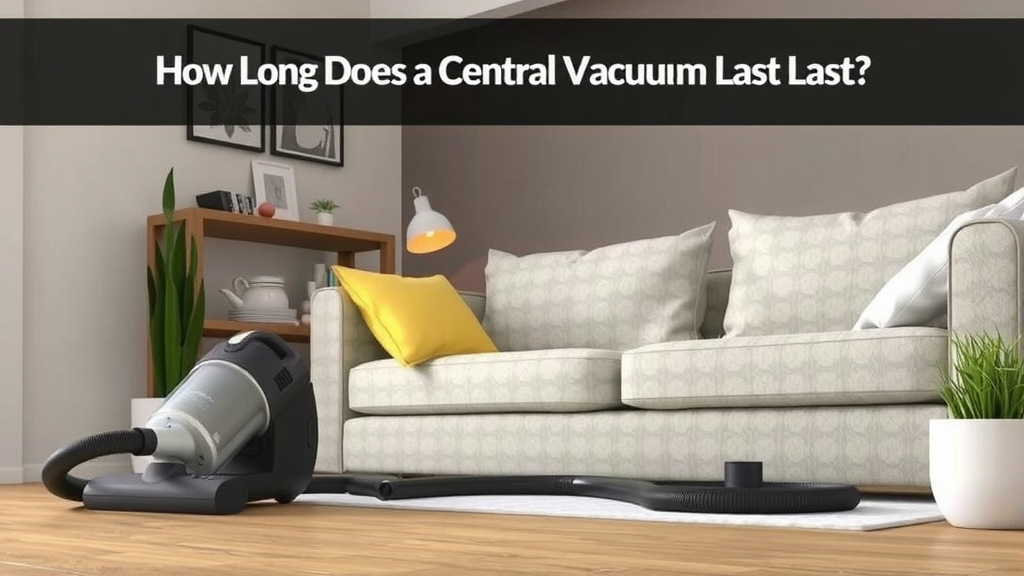
How Long Does a Central Vacuum Last?
A central vacuum system can last a remarkably long time. Most central vacuums are built to last between 15 to 30 years, and many even longer. With proper care, your system could be a lifelong cleaning companion, saving you money and hassle over the decades.
That’s a pretty impressive lifespan for an appliance, right? It’s not uncommon for homeowners to get 20 years or more out of their central vac unit. This durability comes from their robust construction and the fact that the main power unit is typically mounted in a less demanding environment than a portable vacuum.
- Central vacuums can last 15-30 years.
- Lifespan depends on quality and maintenance.
- Regular filter cleaning is key.
- Check for hose or accessory damage.
- Some systems can last over 30 years!
Ready to learn what makes these systems so durable and how you can keep yours running strong for years to come? Let’s dive into the factors that influence your central vacuum’s lifespan.
Understanding Your Central Vacuum’s Longevity
You’re probably wondering just how long your central vacuum system is built to stick around. We’ve found that most well-maintained central vacuums can easily last for 15 to 30 years. Some can even keep going strong for over three decades! This impressive lifespan is a major advantage over portable vacuums, which often need replacing every few years.
Factors Influencing Central Vacuum Lifespan
Build Quality Matters
Just like with any appliance, the quality of materials and construction plays a big role. Higher-end models, often featuring more robust motors and durable casings, tend to last longer. When you invest in a quality unit, you’re often investing in years of reliable service.
The Role of Maintenance
Think of your central vacuum like a car. Regular tune-ups and care will keep it running smoothly for many miles, or in this case, years. The flip side is that neglecting maintenance can significantly shorten its lifespan. Fortunately, most maintenance tasks are quite simple for you to handle.
Environmental Factors
Where your central vacuum unit is installed can also impact its longevity. These systems are typically placed in garages, basements, or utility closets. These locations are generally less exposed to dust and humidity than the main living areas where a portable vacuum works hard. This protection helps preserve the motor and internal components.
Key Maintenance Practices for Extended Lifespan
Filter Care: Your Vacuum’s Lungs
The single most important maintenance task is caring for your system’s filters. Filters trap the dirt and debris your vacuum collects. When they get clogged, the motor has to work much harder. This strain can lead to overheating and premature wear.
We recommend checking your filters at least every three to six months. Depending on your model, filters might be washable or require replacement. Always follow the manufacturer’s instructions for your specific unit. Cleaning or replacing them is a simple step that makes a huge difference.
Emptying the Collection Canister
Another straightforward task is keeping the collection canister or bag from overfilling. Most central vacuums have indicators to let you know when it’s getting full. Allowing it to become completely packed can also restrict airflow and put stress on the motor. We found that emptying it when it’s about two-thirds full is a good practice.
Checking for Blockages
Hoses and inlets can become blocked with larger debris. If you notice a significant drop in suction power, it’s time to investigate. Blockages force the motor to struggle, just like a clogged filter. Most blockages can be cleared by detaching the hose and using a broom handle or similar object to gently push the obstruction through. Always disconnect the power unit before attempting this.
Inspect Hoses and Accessories
Your vacuum hose and attachments are the parts that see the most action. Look for cracks, tears, or worn areas. A damaged hose can cause suction loss and let fine dust escape back into your home. We suggest a quick visual inspection every few months. Replacing worn-out hoses or accessories promptly will help maintain your system’s efficiency and extend its life.
Understanding Motor Lifespan
The motor is the heart of your central vacuum. In high-quality units, motors are designed for durability. They often feature advanced cooling systems to prevent overheating. Many manufacturers offer warranties on their motors, sometimes for up to 10 years, which speaks to their expected longevity.
How Usage Impacts Durability
Like any appliance, how often and how intensely you use your central vacuum will affect its lifespan. A system used daily in a large home will naturally experience more wear than one used occasionally in a smaller apartment. However, even with heavy use, a well-maintained unit will significantly outlast a portable vacuum.
When to Consider a Repair or Replacement
If your central vacuum starts showing signs of serious trouble, like persistent loss of power, strange noises, or frequent motor overheating, it might be time for a check-up. Sometimes, a minor repair can get your system back in top shape. However, if the motor is failing or major components are damaged, a replacement might be more cost-effective in the long run. For instance, research from home improvement sites often suggests that replacing a worn-out motor can be almost as costly as a new, basic central vacuum unit.
Troubleshooting Common Issues
Many common issues, like reduced suction, are often related to the simple maintenance we’ve discussed. Before calling a professional, always check:
- Is the canister full?
- Is the filter clean and properly installed?
- Is there a blockage in the hose or inlet?
- Are the seals on the canister and hoses intact?
Addressing these basic points can often resolve performance problems quickly.
Long-Term Cost Savings
The extended lifespan of a central vacuum system translates directly into long-term cost savings. When you calculate the cost per year, a unit that lasts 20 years is far more economical than replacing a portable vacuum every 3-5 years. Plus, you avoid the recurring hassle of shopping for new vacuums.
The Bottom Line on Central Vac Lifespan
Your central vacuum is a robust appliance designed for longevity. By performing simple, regular maintenance, you can ensure it continues to serve your home efficiently for two decades or more. It’s a smart investment for cleaner air and easier cleaning for many years to come.
Conclusion
Your central vacuum system is a long-term investment in your home’s cleanliness. We’ve found that with proper care and attention, these systems can reliably serve you for 15 to 30 years, and often even longer. Regular maintenance, like cleaning filters and emptying the canister, is your key to maximizing its lifespan. Don’t let simple tasks slide; they are the secret to avoiding costly repairs and premature replacement.
Ready to give your system the best chance at a long life? Make checking your filters and canister a regular part of your cleaning routine. You’ll enjoy cleaner air and less hassle for decades to come.
Frequently Asked Questions
How often should I clean the filters on my central vacuum?
We recommend checking your central vacuum’s filters at least every three to six months. Clogged filters strain the motor, reducing efficiency and lifespan. Refer to your owner’s manual for specific instructions on cleaning or replacing your filters.
Can environmental factors really affect how long my central vacuum lasts?
Yes, they can. Central vacuum units are usually installed in protected areas like garages or basements, which helps shield them from dust and humidity. Keeping these areas clean and dry will help preserve the motor and internal components for longer operation.
What’s the most common reason a central vacuum system fails prematurely?
Neglecting filter maintenance is the most common culprit. When filters become overloaded with dirt and debris, the motor works overtime to pull air through. This excessive strain can lead to overheating and significantly shorten the motor’s lifespan.
Is it cheaper to repair a central vacuum or buy a new one?
For minor issues like a clogged hose or a full canister, repairs are usually very inexpensive. However, if the motor has failed or major components are damaged, research suggests that the cost of repair can approach the price of a new, basic unit, making replacement a more cost-effective choice.
Does using my central vacuum more often shorten its life?
Increased usage will naturally lead to more wear and tear, just like with any appliance. A system used daily in a large home will experience more stress than one used occasionally in a smaller space. However, consistent, simple maintenance will still allow a heavily used unit to outlast a portable vacuum significantly.
![7 Best Lightweight Vacuums For Seniors [2026]](https://bathroomexplorer.com/wp-content/uploads/2026/06/7-best-lightweight-vacuums-for-seniors-2026-featured-768x432.jpg)