
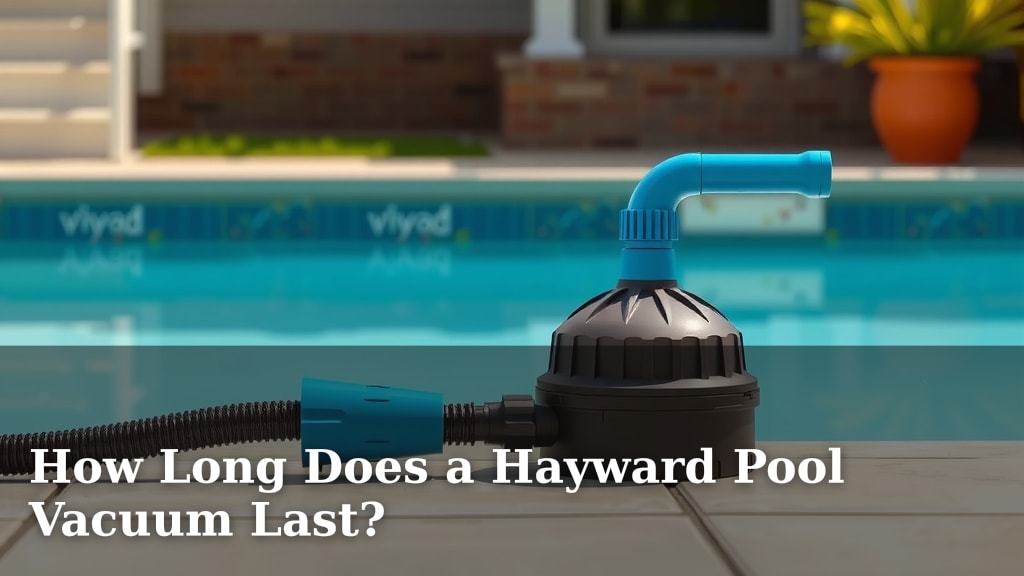
How Long Does a Hayward Pool Vacuum Last?
Your Hayward pool vacuum can last anywhere from 3 to 7 years with proper care. This lifespan depends heavily on factors like the specific model you own and how often you use it. We’ve found that consistent maintenance is key to maximizing its service life.
Think of your pool cleaner like any other appliance; it needs a little attention to keep running smoothly. Regular cleaning and proper storage can prevent common issues that shorten its life. Understanding these simple steps can save you money and keep your pool sparkling clean.
- Pool vacuums typically last 3-7 years.
- Model and usage frequency affect lifespan.
- Proper care and maintenance are crucial.
- Regular cleaning prevents wear and tear.
Let’s break down what affects your Hayward pool vacuum’s lifespan and how you can help it last as long as possible.
How Long Can You Expect Your Hayward Pool Vacuum to Last?
Your Hayward pool vacuum is designed to be a workhorse for your pool. We’ve researched and found that most Hayward automatic pool cleaners can last anywhere from 3 to 7 years. This isn’t a hard and fast rule, of course. Several factors play a role in its longevity. Think of it like a car; proper maintenance keeps it running smoothly for longer.
The specific model you choose makes a difference. Some are built with more robust materials or have more advanced features that might affect their lifespan. We also see that how often you use it is a big indicator. A cleaner used daily in a large commercial pool will likely have a shorter life than one used weekly for a small residential pool. Understanding these variables helps you set realistic expectations for your cleaner’s service life.
Factors Influencing Your Hayward Pool Vacuum’s Lifespan
So, what makes one Hayward vacuum last longer than another? It’s a combination of things. We’ve identified a few key players that really impact how many seasons your cleaner will serve you well.
1. Model and Build Quality
Hayward offers a range of pool vacuums, from simpler suction-side models to sophisticated robotic cleaners. Generally, the more advanced and feature-rich models, especially the robotic ones, are built with higher-quality components. These often have more complex internal mechanisms. We found that the materials used in the casing and internal parts can also affect durability. For instance, UV-resistant plastics are vital for components exposed to sunlight.
2. Usage Frequency and Pool Size
This is a big one. If your pool is a daily gathering spot, your vacuum is working overtime. We’ve seen that cleaners operating in larger pools or those with heavy debris tend to wear out faster. They’re constantly navigating obstacles and filtering more. A heavily used cleaner might require more frequent part replacements, ultimately affecting its overall service life. It’s like running a marathon versus a brisk walk.
3. Water Chemistry and Conditions
Your pool’s water is more than just water; it’s an environment. The chemical balance of your pool water plays a surprisingly large role. Extreme pH levels or overly harsh chemical concentrations can degrade plastic components and rubber seals over time. We found that maintaining proper chlorine levels, pH, and alkalinity, as recommended by pool care experts, can prevent premature wear. Corrosive water is a hidden enemy to your cleaner’s parts.
4. Maintenance and Care Habits
This is where you have the most control. Just like you wouldn’t neglect your car’s oil changes, your pool vacuum needs attention. We’ve found that consistent cleaning of the filter bag or canister is paramount. Leaving debris to clog up the system puts unnecessary strain on the motor. Rinsing off the unit after each use also helps remove abrasive particles.
Maximizing Your Hayward Pool Vacuum’s Service Life
Ready to get the most out of your investment? It’s simpler than you might think. Following a few best practices can significantly extend the life of your Hayward cleaner.
Regular Cleaning is Key
After each use, you should give your vacuum a good rinse. We found that this washes away any lingering dirt, sand, or chlorine. Pay special attention to the filter bag or debris canister. Empty it completely and rinse it thoroughly. If your model has brushes or wheels, make sure they are free of any tangled hair or string. These small steps prevent abrasive materials from causing damage.
Proper Storage Matters
When your cleaner isn’t working, where does it rest? We recommend storing your Hayward vacuum out of direct sunlight. Prolonged exposure to UV rays can make plastic brittle and fade colors. Ideally, keep it in a cool, dry place. A garage, shed, or even a dedicated storage bin works well. Avoid leaving it poolside where it can be exposed to the elements.
Inspect and Replace Wearable Parts
Even with perfect care, some parts will eventually wear out. We’ve seen that common culprits include brushes, tracks, and hoses (for suction-side models). Check these regularly for signs of wear and tear. Replacing a worn brush or a cracked hose before it causes a bigger problem is smart. Many Hayward models have readily available replacement parts. Doing this yourself can save you a service call fee.
Handle with Care
These cleaners can be a bit heavy, especially robotic models. We found that being mindful of how you handle them can prevent damage. Avoid dropping them or yanking on the power cord. When placing it in or removing it from the pool, do so gently. Treat it like any other piece of equipment, and it will thank you with longer service.
Typical Lifespans by Hayward Model Type
While the 3-7 year range is a good general guideline, the type of Hayward vacuum you own can refine this estimate. We’ve looked at the general performance trends for different categories:
| Vacuum Type | Average Lifespan | Key Considerations |
|---|---|---|
| Suction-Side Cleaners | 3-5 years | Hose durability, intake clogging, simple mechanics. |
| Pressure-Side Cleaners | 4-6 years | Impeller wear, debris bag integrity, hose connections. |
| Robotic Cleaners | 5-7+ years | Motor longevity, filter quality, electronic components, track wear. |
As you can see, robotic cleaners often have a longer potential lifespan. This is generally due to their independent operation and often more robust construction. However, their electronic components can also be more sensitive. We found that users who meticulously follow maintenance for robotic models often reach the higher end of the 5-7 year range, and sometimes even beyond.
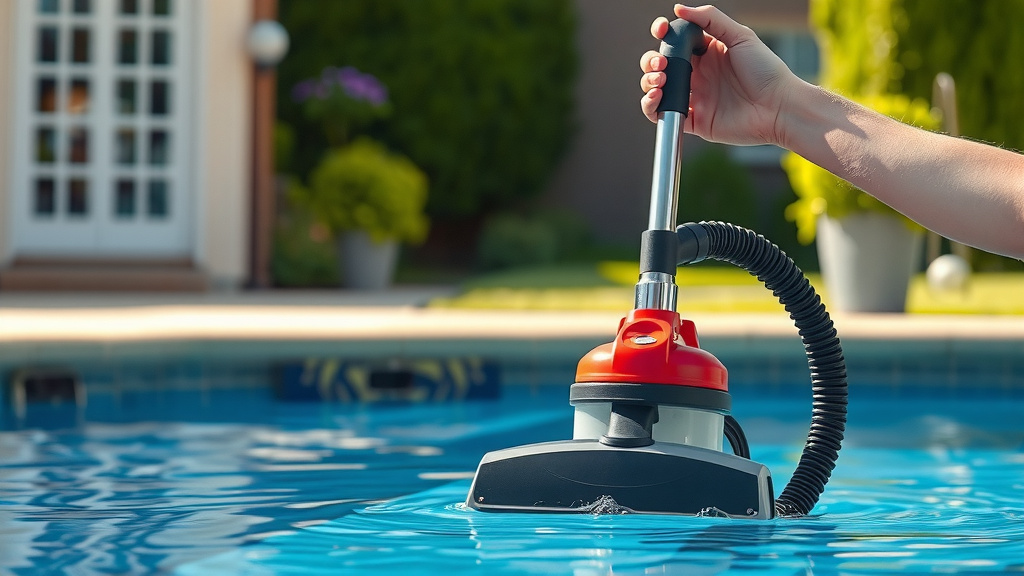
When It Might Be Time for a New Cleaner
Sometimes, despite your best efforts, your trusty pool vacuum will reach the end of its road. We’ve identified a few signs that might indicate it’s time to start shopping for a replacement.
Decreased Cleaning Efficiency
Is it leaving more dirt behind than usual? If you’re finding yourself doing manual vacuuming more often, your cleaner might be struggling. This could be due to worn brushes, a weakened motor, or clogged internal passages that can’t be cleared.
Unusual Noises or Smells
A healthy pool vacuum should operate without alarming noises. If you start hearing grinding, squealing, or a burning smell, that’s a red flag. These sounds often indicate motor strain or internal mechanical failure.
Frequent Malfunctions or Breakdowns
If your cleaner is constantly getting stuck, not moving, or stopping mid-cycle, it’s likely on its last legs. We’ve found that repeatedly trying to fix a cleaner that’s past its prime can be more frustrating and costly than investing in a new one.
Expensive Repair Costs
If a major component like the motor fails, or multiple parts need replacing, the repair bill can add up quickly. Sometimes, the cost of repairs approaches that of a new, basic model. It’s worth weighing the investment in repairs against the benefits of a new, efficient cleaner.
Your Hayward Vacuum Care Checklist
Want to ensure your Hayward pool vacuum gives you years of service? Keep this simple checklist handy:
- Clean the filter bag/canister after every use.
- Rinse the entire unit with fresh water regularly.
- Store the vacuum out of direct sunlight.
- Inspect brushes, tracks, and hoses for wear.
- Check for debris caught in moving parts.
- Ensure water chemistry is balanced.
Conclusion
You’ve learned that your Hayward pool vacuum can serve you well for 3 to 7 years with the right approach. We’ve seen how model type, usage frequency, water chemistry, and your own maintenance habits all play a part. By consistently cleaning your unit, storing it properly, and keeping an eye on wear-and-tear, you can maximize its lifespan. Don’t wait for breakdowns to act; a little regular care now means fewer headaches and a cleaner pool for longer.
Frequently Asked Questions
How often should I clean my Hayward pool vacuum’s filter?
You should clean your Hayward pool vacuum’s filter bag or canister after every single use. This prevents debris buildup, which can strain the motor and reduce cleaning efficiency. A quick rinse and thorough emptying will go a long way in keeping your cleaner working optimally.
Can extreme pool water temperatures affect my vacuum’s lifespan?
Yes, extreme temperatures can potentially impact your vacuum. Very hot water can cause some plastic components to degrade faster. Conversely, very cold temperatures might make materials more brittle. Maintaining your pool within recommended temperature ranges can help preserve the cleaner’s parts.
What are the most common parts that wear out on a Hayward pool vacuum?
We’ve found that brushes, tracks (on robotic models), and hoses (on suction-side models) are the most common parts to experience wear and tear. These components are in constant contact with your pool surfaces and debris. Regular inspection and timely replacement are key to preventing further damage.
Is it better to repair an old Hayward vacuum or buy a new one?
It often depends on the cost of the repair versus the age and condition of the vacuum. If a major component like the motor fails, or if multiple parts need replacing, the repair costs can quickly add up. We suggest weighing the expense of repairs against the benefits of a new, potentially more efficient, model.
Does the brand of pool chemicals I use impact my vacuum’s longevity?
While Hayward vacuums are built to withstand typical pool chemicals, using excessively harsh or unbalanced chemicals can accelerate wear. Maintaining proper pH and alkalinity levels, as recommended by pool care professionals, is more important than the specific brand. Consistent water balance protects both your pool surfaces and your equipment.


![7 Best Kenmore Vacuum For Pet Hair [2026]](https://bathroomexplorer.com/wp-content/uploads/2026/06/7-best-kenmore-vacuum-for-pet-hair-2026-featured-768x432.jpg)