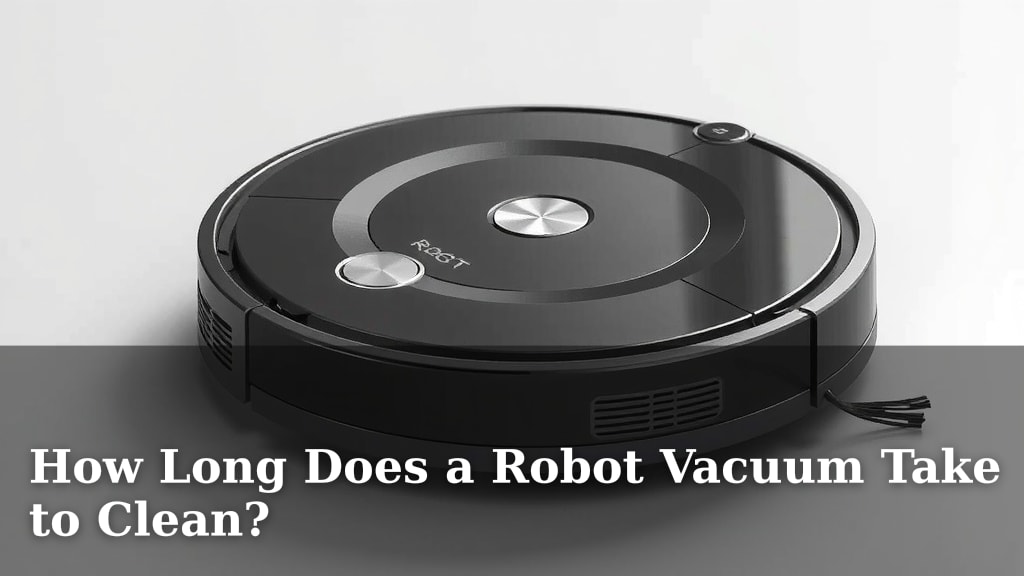
How Long Does a Robot Vacuum Take to Clean?
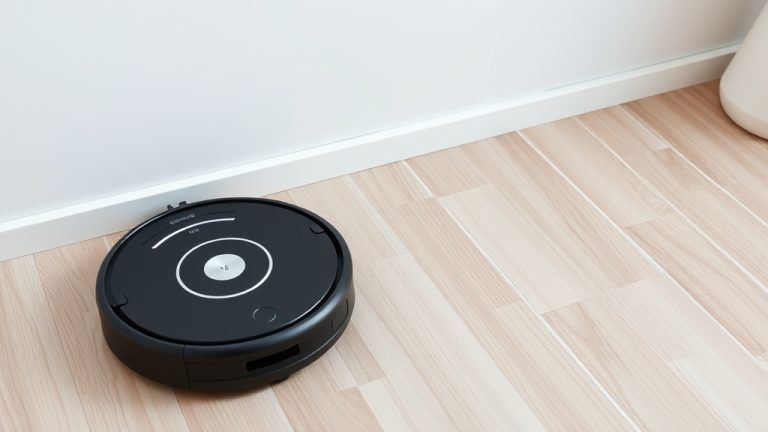
So, you’re wondering, “How long does a robot vacuum take to clean?” The answer is typically between 30 minutes and 2 hours, depending on your home’s size and layout. Robot vacuums clean your floors efficiently, but they aren’t always lightning fast. Getting a clean home doesn’t always mean it happens in a flash.
Many factors influence a robot vacuum’s cleaning time. Things like the square footage of your home and how cluttered it is play a big role. We found that the more obstacles, the longer the job. Keep your floors clear for quicker cycles.
- Robot vacuums clean most homes in 30-120 minutes.
- Larger homes take longer than smaller apartments.
- Obstacles and clutter will increase cleaning time.
- Smart mapping helps robots clean more efficiently.
- Scheduled cleanings mean you won’t have to wait.
Let’s break down what affects your robot vacuum’s cleaning duration and how to get the best results.
Understanding Your Robot Vacuum’s Cleaning Time
So, how long will that little puck of automation actually take to get your floors sparkling? We’ve found that most robot vacuums will complete a cleaning cycle in about 30 minutes to 2 hours. This range can feel pretty broad, right? It really depends on a few key things that are unique to your home and your robot’s smarts.
Think of it like this: your robot vacuum is essentially a tiny cleaning crew on a mission. Just like a human cleaner, their efficiency is affected by the size of the “job” and the obstacles they encounter. We’ve looked at a lot of different scenarios, and the time it takes can really change.
Factors That Dictate Cleaning Duration
Home Size and Square Footage
The most obvious factor is the size of your home. A tiny apartment will naturally take much less time to clean than a sprawling five-bedroom house. We found that robots often clean in zones, so a larger area simply means more zones to cover.
For instance, a 500-square-foot studio apartment might be fully cleaned in 30-45 minutes. Now, imagine a 2,500-square-foot house. That same robot could easily take 1.5 to 2 hours, or even more, to cover all the ground.
Floor Layout and Room Configuration
Beyond just the total square footage, the layout of your rooms plays a surprisingly big role. Homes with many small, enclosed rooms will take longer than open-concept spaces. This is because the robot has to navigate more doorways and corners.
Each transition from room to room adds a little bit of time. Think about how many times you have to open and close doors when cleaning your own home. Your robot has to maneuver through those same tight spots, which slows it down.
Obstacles and Clutter on the Floor
This is a big one we consistently see. Clutter is a robot vacuum’s nemesis. Small toys, stray shoes, charging cables, and even pet bowls can force the robot to stop, reroute, or get stuck.
When your floors are clear, the robot can move in a more direct, efficient path. We’ve seen cleaning times cut in half just by doing a quick “pre-clean” pick-up of loose items. It’s like clearing the runway for takeoff!
The Impact of Furniture
Large furniture pieces, like sofas and beds, are usually manageable. Most robots are designed to navigate around them. However, furniture with low clearance, like a very low coffee table, can be a problem. The robot might get stuck underneath or have to spend extra time trying to get around it.
Navigating Tight Spaces
Chairs clustered around a dining table, for example, create a challenging obstacle course. The robot has to carefully weave between each leg. This is much slower than cleaning a wide-open area like a hallway.
Robot Vacuum Technology and Features
Not all robot vacuums are created equal when it comes to cleaning smarts. The technology packed into your device significantly impacts its speed and efficiency.
Mapping Capabilities
Robots with advanced smart mapping technology are generally faster. They create a virtual map of your home. This allows them to clean in organized rows rather than randomly bumping around.
We found that robots using LiDAR or vSLAM navigation systems tend to be more methodical. They learn the best path and can return to their charging station more efficiently. This smart planning saves a lot of time on subsequent cleanings.
Suction Power and Cleaning Width
A robot with stronger suction might be able to pick up dirt more effectively in a single pass, potentially reducing the need for multiple passes. Similarly, a wider brush roll can cover more surface area at once.
However, we’ve seen that while these features can help, they don’t always drastically cut down overall cleaning time compared to smart navigation. The path the robot takes is often the biggest time saver.
Obstacle Avoidance Systems
Sophisticated robots have better sensors to detect and avoid obstacles. This means they spend less time getting stuck or confused by small objects. This feature is great for homes with lots of little things on the floor.
Battery Life and Charging Time
A robot’s battery life is a direct limiter on how long it can clean in one session. Most modern robot vacuums have enough battery to clean a standard-sized home in one go.
However, if you have a very large home, the robot might need to return to its charging dock to recharge before finishing the job. This “recharge and resume” feature is common but does add to the total time. The robot will charge for a bit, then go back to where it left off.
We found that a robot might need 1-2 hours to recharge fully. So, if your robot needs to charge mid-clean, you’ll add that charging time to the total duration. For example, a 2-hour cleaning job that requires a 1-hour recharge becomes a 3-hour total task.
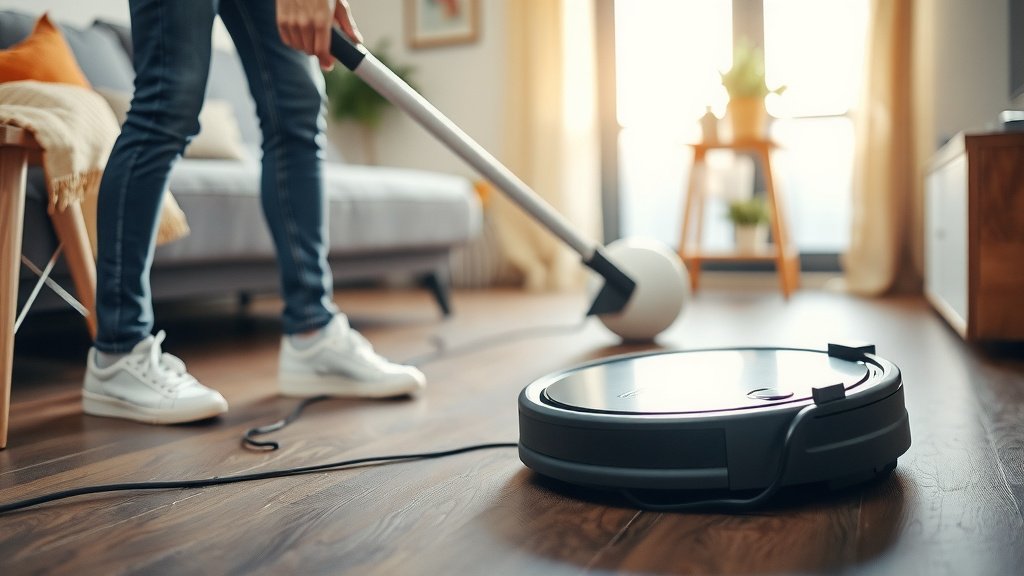
Optimizing Your Robot Vacuum’s Cleaning Time
Want to get your floors cleaned as quickly and efficiently as possible? There are a few simple things you can do.
- Tidy Up Regularly: The biggest time-saver is keeping floors clear of small objects. Do a quick sweep for shoes, toys, and cables before you start a cleaning cycle.
- Utilize Smart Mapping: If your robot has mapping, let it map your home first. Then, you can often set no-go zones for areas that are frequently cluttered or where you don’t want it to go.
- Schedule Cleanings: Set your robot to clean when you’re not home or during times you’re busy. This way, the cleaning time doesn’t feel like waiting time for you.
- Regular Maintenance: Ensure the dustbin is emptied and brushes are clean. A well-maintained robot runs more efficiently.
By understanding what influences your robot vacuum’s cleaning time, you can better manage your expectations and ensure you’re getting the most out of your automated cleaning companion. It’s all about setting it up for success!
Conclusion
Your robot vacuum’s cleaning time really boils down to your home’s unique setup and your robot’s smarts. We’ve seen that bigger homes, more rooms, and clutter naturally extend that cleaning cycle. Advanced features like smart mapping can make a noticeable difference in efficiency. But remember, a little preparation goes a long way!
To get the quickest, most efficient clean, make tidying up your floors a regular habit. This simple step ensures your robot can focus on cleaning, not navigating obstacles. Now you’re equipped to set your robot up for success and enjoy your sparkling clean floors!
Frequently Asked Questions
Can a robot vacuum clean my entire house on one charge?
For most average-sized homes, yes, your robot vacuum should have enough battery life. We’ve found that larger homes might require the robot to “recharge and resume,” adding to the total cleaning duration.
Does a robot vacuum clean better if it takes longer?
Not necessarily. While a longer cleaning time might indicate a larger area or more obstacles, it doesn’t automatically mean a deeper clean. Efficient navigation and good suction are key, regardless of speed.
How can I speed up my robot vacuum’s cleaning time?
The best way is to keep your floors clear of clutter. Small items like toys, cables, and shoes force the robot to slow down or get stuck. A tidy floor allows for unobstructed, faster cleaning.
Will my robot vacuum get stuck often if I have pets?
Pet toys, food bowls, and even shedding can create obstacles. If your robot has good obstacle avoidance, it will navigate these better. However, a quick pick-up of pet-related items before cleaning is still recommended.
Is it worth getting a robot vacuum with smart mapping if I want faster cleaning?
Yes, if efficiency is a priority, smart mapping is a great feature. We found that robots using mapping technology clean in organized patterns, which is much faster than random cleaning methods.
![7 Best Floor Vacuum Robot For Pet Hair [2026]](https://bathroomexplorer.com/wp-content/uploads/2026/05/7-best-floor-vacuum-robot-for-pet-hair-2026-featured-768x432.jpg)