
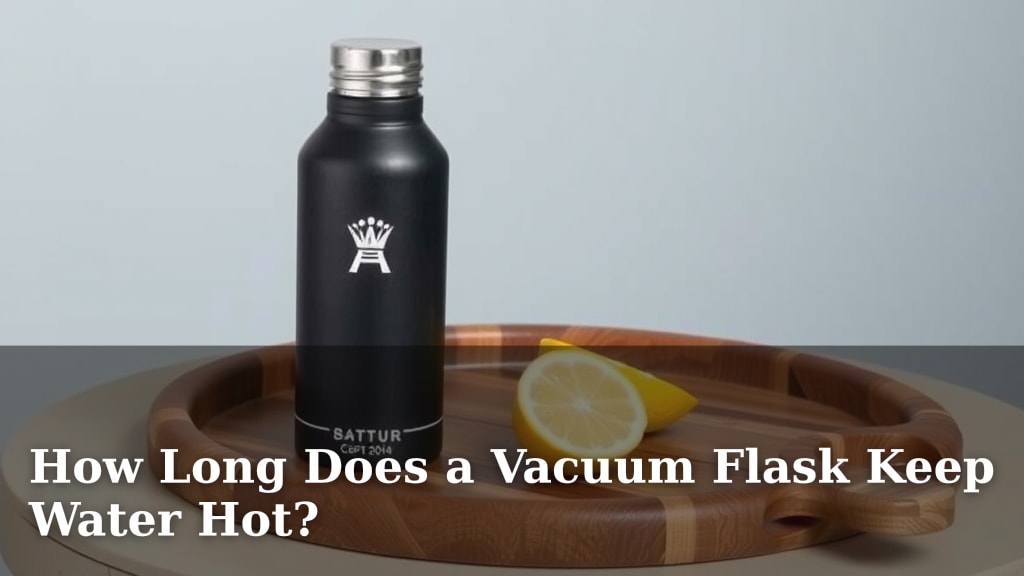
How Long Does a Vacuum Flask Keep Water Hot?
Generally, a good vacuum flask can keep water hot for 12 to 24 hours. This means your morning coffee or tea can stay warm for your entire workday, and even into the next. The exact time depends on the flask’s quality and how you use it.
You might wonder why some flasks perform better than others. It all comes down to design and insulation. A well-made flask uses advanced technology to minimize heat loss, ensuring your drink stays piping hot longer. We’ve researched what makes these flasks so effective.
- Flasks generally keep water hot for 12-24 hours.
- Performance depends on flask quality and usage.
- Good insulation is key to maintaining heat.
- Pre-heating your flask helps significantly.
Let’s dive into the details of how vacuum flasks work and what factors influence their heat retention. We’ll cover everything you need to know to get the most out of your flask.
Understanding Vacuum Flask Heat Retention
So, how long can your trusty vacuum flask really keep water hot? We found that for most quality flasks, you’re looking at a solid 12 to 24 hours. That means your morning brew can stay wonderfully warm through your entire workday and even into the next. Think of it as your personal hot beverage guardian!
You might be curious about what makes one flask a champion at keeping drinks hot while another fades faster. It boils down to two main things: the quality of the flask and how you’re using it. We’ll break down the science and practical tips so you can get the best performance.
The Science Behind a Hot Drink
Ever wonder what’s happening inside your vacuum flask? It’s a clever piece of engineering designed to fight heat loss. Heat tries to escape in three main ways: conduction, convection, and radiation. A good vacuum flask is built to stop all three.
How Heat Escapes (and How Flasks Stop It)
Heat loves to travel. It’s like a tiny, energetic tourist wanting to explore. Your hot drink has a lot of energy (heat), and it wants to share it with the cooler surrounding air.
Stopping Conduction
Conduction is heat moving through direct contact. If your drink touches the sides of the flask, heat can transfer. Flasks have inner and outer walls made of materials that don’t conduct heat very well, like stainless steel. There’s a vacuum between these walls, which is essentially empty space. Nothing travels through a vacuum easily, so conduction is greatly reduced.
Stopping Convection
Convection is heat moving through the air or liquid. When hot air or liquid rises and cooler air or liquid sinks, it creates currents that spread heat. The vacuum layer in your flask stops air currents from forming between the walls. This prevents heat from easily transferring from the inner wall to the outer wall.
Stopping Radiation
Radiation is heat that travels as invisible waves, like the warmth you feel from the sun. To combat this, many flasks have a reflective coating on the inner walls. This coating bounces heat waves back into the drink, keeping more warmth inside. It’s like putting up tiny mirrors for heat!
The Role of the Vacuum Layer
That space between the inner and outer walls is the star of the show. It’s created by pulling out almost all the air. This vacuum insulation is incredibly effective because there’s nothing there for heat to travel through. Many sources, like those discussing insulation principles, highlight the vacuum as a key component in minimizing heat transfer.
Factors Affecting How Long Water Stays Hot
While the flask’s design is crucial, several other factors influence its ability to keep water hot. Think of it like baking a cake – you have a great recipe, but oven temperature and ingredients matter!
Flask Quality and Construction
Not all flasks are created equal. A higher-quality flask will typically have a more effective vacuum layer and better sealing. We found that flasks with double-walled stainless steel construction generally perform best. Cheaper options might have thinner walls or a less complete vacuum, allowing heat to escape faster.
Size Matters (Sometimes!)
Generally, larger flasks tend to keep liquids hot longer. Why? Because they have a larger volume of hot liquid relative to their surface area. Less surface area means less opportunity for heat to escape. So, if you need your drink hot for a very long time, a bigger flask might be your best bet.
The Starting Temperature of the Water
This one might seem obvious, but it’s important. The hotter the water is when you put it into the flask, the longer it will stay hot. If you pour lukewarm water in, don’t expect it to be piping hot after 10 hours. You need to start with really hot water to get the most longevity.
Pre-heating Your Flask: A Simple Trick
This is a game-changer, and it’s so easy! Before you pour in your hot water or beverage, fill your empty flask with hot water and let it sit for a few minutes. Then, pour that water out and fill it with your drink. We found this simple step can significantly boost how long your drink stays hot. It warms up the inner walls, so your new hot liquid doesn’t immediately lose heat to a cold flask.
How Full Is Your Flask?
For optimal heat retention, you want to fill your flask as much as possible. An almost empty flask has a lot of air inside, which can cool down the liquid faster. Think of that air as a chilly blanket. The fuller the flask, the less air there is to interfere with the heat, and the better insulation you’ll achieve.
External Temperature and Conditions
Where you keep your flask also plays a role. If you leave your flask sitting in a very cold car or outdoors on a freezing day, it will lose heat faster than if it’s kept in a warmer environment. While a good flask is designed to withstand some cold, extreme external temperatures will inevitably impact performance. Keeping it in your bag or an insulated sleeve can help.
Maximizing Your Flask’s Hot Water Performance
Want to ensure your water stays hot for as long as possible? Follow these simple, effective steps. We’ve found that combining good habits with a quality flask gives you the best results.
- Start with boiling water: Always use the hottest water possible.
- Pre-heat your flask: A quick rinse with hot water makes a difference.
- Fill it up: Keep your flask as full as you can.
- Seal it tight: Make sure the lid is screwed on securely.
- Store it smartly: Keep it in a warmer spot when possible.
By paying attention to these details, you can extend the time your water stays pleasantly hot, ensuring you always have a warm drink when you need it.
Conclusion
You now understand that your vacuum flask can keep water hot for 12 to 24 hours, depending on its quality and how you use it. We’ve seen how the vacuum layer, insulation, and materials work together to fight heat loss. Remember, pre-heating your flask, filling it completely, and using boiling water are simple steps that make a big difference. So, the next time you reach for your flask, you’ll know exactly how to get the longest-lasting warmth for your drink. Enjoy that perfectly hot beverage!
Frequently Asked Questions
How often do I need to replace a vacuum flask?
You generally don’t need to replace a vacuum flask unless it’s damaged. If the vacuum seal is broken or there are dents that affect performance, it might be time for a new one. A well-cared-for flask can last for many years.
Can I put coffee or other drinks in my vacuum flask?
Yes, you can! While we focused on water, vacuum flasks work just as well for coffee, tea, soup, or any other hot beverage. Just be sure to clean it thoroughly between uses to prevent lingering odors or flavors.
Does the color of the vacuum flask affect how long it stays hot?
Generally, the color of the flask’s exterior doesn’t significantly impact how long it keeps liquids hot. The key factors are the insulation quality, the vacuum seal, and how you prepare and use the flask.
Is it safe to drink water that has been in a flask for over 24 hours?
Yes, it’s typically safe. The water itself won’t spoil in that time, especially if it started as hot water. However, if you put something other than plain water in, like milk or juice, it’s best not to store it for that long due to spoilage risks.
What’s the best way to clean a vacuum flask to maintain its performance?
We found that handwashing with warm, soapy water is best. Avoid harsh scrubbers or putting it in the dishwasher, as this can damage the insulation or seal. For tough stains, a mixture of baking soda and water can work wonders.
![7 Best Cordless Vacuum For Hair On Carpet [2026]](https://bathroomexplorer.com/wp-content/uploads/2026/05/7-best-cordless-vacuum-for-hair-on-carpet-2026-featured-768x432.jpg)
![7 Best Cordless Stick Vacuum For Vinyl Floors [2026]](https://bathroomexplorer.com/wp-content/uploads/2026/05/7-best-cordless-stick-vacuum-for-vinyl-floors-2026-featured-768x432.jpg)

![7 Best Food Vacuum Sealers For Home Use [2026]](https://bathroomexplorer.com/wp-content/uploads/2026/05/7-best-food-vacuum-sealers-for-home-use-2026-featured-768x432.jpg)