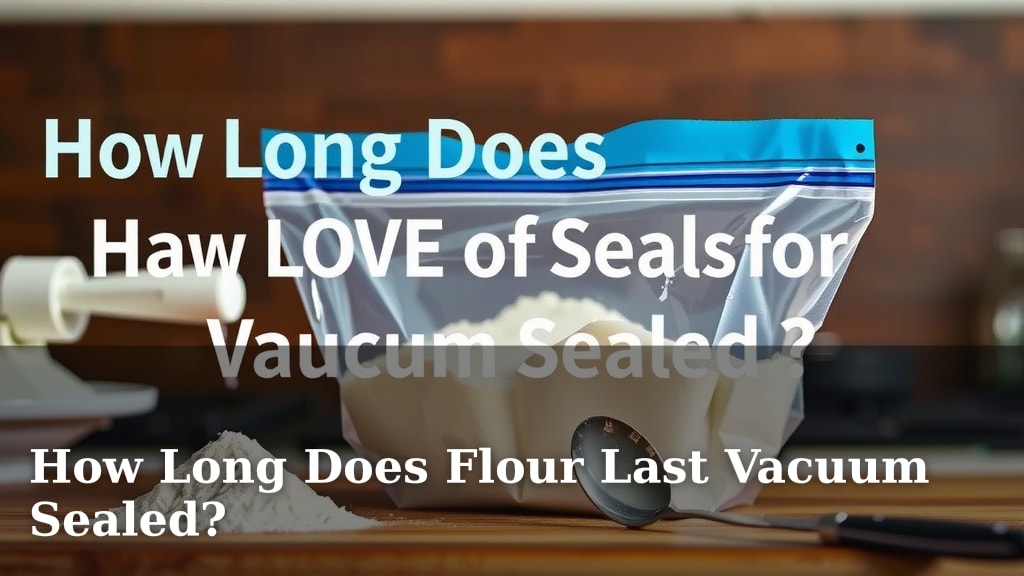
How Long Does Flour Last Vacuum Sealed?
Vacuum sealing can **greatly extend the shelf life of your flour**, often by **several years** beyond its typical expiration date. This method works by removing air, which slows down the oxidation and moisture absorption that causes flour to go rancid or stale.
While standard flour might only last 6-12 months in your pantry, vacuum-sealed flour can last much longer, especially when stored in a cool, dark place. This makes it a fantastic way to **buy in bulk** and ensure your baking supplies are always fresh.
TL;DR:
- Vacuum sealing **dramatically increases flour’s shelf life**.
- Flour can last **years** when properly vacuum-sealed.
- This is thanks to **removing air and preventing spoilage**.
- It’s a smart way to **store bulk flour** long-term.
Let’s get into the details of how long your vacuum-sealed flour will truly last and what factors play a role.
Understanding Vacuum Sealing for Flour Longevity
So, you’ve got a surplus of flour and you’re wondering about its shelf life when vacuum-sealed. You’re in the right place! Vacuum sealing is a **super effective way** to keep your flour fresh and usable for much, much longer than just tossing it in a cupboard.
Basically, vacuum sealing works by removing the air around your flour. This air is what causes flour to go bad. It lets moisture in and allows oxygen to interact with the flour. This interaction leads to oxidation and can make your flour taste stale or even rancid over time. By taking the air out, you slow down these processes significantly.
The Science Behind Extending Flour Life
Think of flour like a fine wine, but instead of aging to perfection, it ages to… well, not so perfection. Flour contains natural oils, and these oils can degrade over time, especially when exposed to air and light. This degradation is what causes that unpleasant “off” flavor.
When you vacuum seal, you create an airtight barrier. This barrier stops oxygen from getting to the flour. It also **greatly reduces moisture absorption**. Moisture is a flour’s worst enemy, leading to clumping, mold, and a generally sad baking experience. Many food preservation guidelines point to airtight sealing as a primary method for extending shelf life (USDA).
How Long Can You Expect Your Vacuum-Sealed Flour to Last?
This is the million-dollar question, right? Research and general findings suggest that properly vacuum-sealed flour can last **anywhere from 1 to 5 years, and sometimes even longer**. This is a huge jump from the typical 6-12 months you might get from flour stored in its original packaging.
Several factors influence this extended lifespan. The type of flour matters. Whole wheat flour, with its higher oil content, might not last as long as all-purpose white flour, even when sealed. We’ll get into that more soon!
Impact of Flour Type on Shelf Life
You see, whole grain flours contain the bran and germ of the wheat kernel. These parts have natural oils. These oils are where the flavor and nutrients are, but they are also the first things to go rancid. White flour, on the other hand, has had the bran and germ removed. This makes it less nutritious, but it also makes it **much more stable**.
So, if you’re vacuum sealing all-purpose flour, you’re likely looking at the longer end of that 1-5 year spectrum, perhaps even pushing towards 5 years if stored correctly. For whole wheat or other whole grain flours, aim for the 1-2 year mark. It’s still an amazing improvement!
The Role of Storage Conditions
This is where you have a lot of control. Even the best vacuum seal can’t do wonders if you store your flour in a hot, humid garage. For maximum longevity, you want to keep your sealed flour in a **cool, dark, and dry place**. Think of your pantry, a basement, or even a dedicated food storage area.
Avoid storing it near heat sources like ovens or direct sunlight. Fluctuations in temperature can also be problematic. Consistency is key! We found that consistent cool temperatures slow down any potential degradation even further.
Best Practices for Vacuum Sealing Flour
To get the most out of your vacuum-sealed flour, following a few simple steps is essential. It’s not just about slapping a bag in the machine; a little care goes a long way.
Choosing the Right Bags and Machine
For flour, you’ll want to use **food-grade vacuum sealer bags**. These are designed to be durable and prevent air from seeping back in. Make sure your vacuum sealer is functioning correctly. A good seal means no leaks, which is your primary defense against spoilage.
Some people prefer to pre-portion their flour into individual vacuum-sealed bags. This is a **great idea for convenience**. You can just grab a bag for your next baking project without having to open a larger container.
The Sealing Process Itself
When you’re ready to seal, make sure the sealing edge of the bag is clean and free of any flour dust. This ensures a strong, airtight seal. Gently shake down the flour so it’s not packed too tightly. You don’t want to damage the bag or the sealer.
We found that it’s also helpful to leave a little extra space at the top of the bag before sealing. This gives the vacuum sealer room to properly suck out the air without pulling flour into the sealing mechanism. Some machines have a “moist” setting; you won’t need that for flour, as it should be dry.
Proper Storage After Sealing
As mentioned, cool, dark, and dry is the mantra. Some people even **store their vacuum-sealed flour in the freezer**. This is an excellent option for extending shelf life even further, potentially for many years. Flour stored in the freezer can remain viable for a decade or more, according to some food storage experts (National Center for Home Food Preservation).
If you’re storing it in a regular pantry, consider using airtight bins or containers to provide an extra layer of protection against pests and accidental damage. It’s like giving your precious flour a little fort!
What Affects Vacuum-Sealed Flour’s Quality?
Even with the best vacuum sealing, a few things can still impact how good your flour remains over time. Being aware of these helps you make informed decisions about your stored goods.
Temperature Fluctuations
We touched on this, but it’s worth repeating. **Sudden or frequent temperature changes** can cause condensation inside the bag. This moisture can then cause your flour to clump and potentially spoil. Think of it like leaving a cold drink on the counter – water droplets form. The same can happen to your flour.
Pests and Contamination
While vacuum sealing is excellent protection, it’s not foolproof against determined critters. Tiny insects or their eggs could potentially be present in the flour before sealing. If they are, the vacuum seal might just keep them contained. Proper storage, as discussed, is your best bet to **deter any unwanted visitors**.
Oxygen Permeability Over Time
Even the best vacuum bags can have a *tiny* amount of oxygen permeability over very long periods. This is why the “freshness window” is usually cited in years, not decades for non-frozen storage. For most home bakers, this is **hardly a concern**, as you’ll likely use the flour well before this becomes an issue.
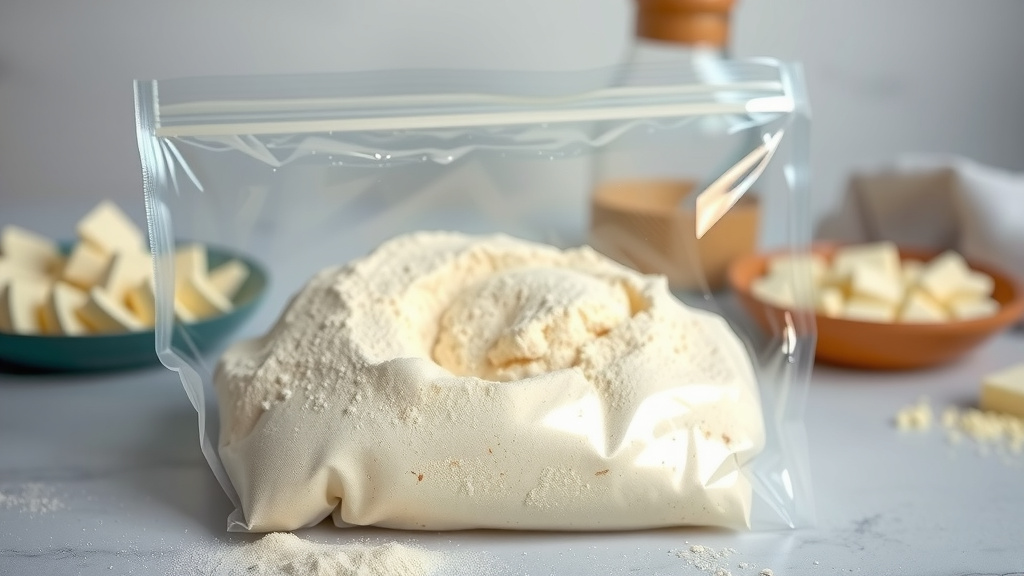
Tips for Maximizing Flour Storage with Vacuum Sealing
Want to be a flour storage superhero? Here are a few final tips to ensure your vacuum-sealed flour stays top-notch:
- Always use **high-quality, food-grade vacuum bags**.
- Ensure your **vacuum sealer is working efficiently**.
- Store sealed flour in a **consistently cool, dark, and dry environment**.
- Consider **freezing** for the absolute longest storage.
- Label your bags clearly with the **type of flour and the date sealed**. This is super helpful!
- Visually inspect bags periodically for any signs of **compromised seals or spoilage**.
Conclusion
You’ve learned that vacuum sealing is your secret weapon for long-term flour storage. By removing air, you dramatically slow spoilage and can keep flour fresh for years, not months. Remember, the type of flour and consistent storage conditions are key to maximizing its shelf life. Ready to stock up and bake with confidence? Your next step is to gather your supplies and seal your first batch of flour – you’ll be amazed at the peace of mind it brings!
Frequently Asked Questions
Can I vacuum seal flour that’s already opened?
Yes, you absolutely can! Once opened, flour is exposed to air and moisture, so vacuum sealing is even more beneficial. Just ensure there are no large clumps and that the bag opening is clean before sealing to get the best results.
What happens if my vacuum-sealed flour gets warm?
If vacuum-sealed flour gets warm, especially with fluctuating temperatures, condensation can form inside the bag. This moisture can lead to clumping and eventually spoilage, even with the seal intact. Storing in a consistently cool place is essential.
Is there a way to tell if vacuum-sealed flour has gone bad?
Visually inspect the flour for any signs of mold, discoloration, or unusual clumping. Also, give it a sniff! A rancid or off smell is the clearest indicator that your flour is no longer good to use, regardless of the seal.
Will vacuum sealing kill bugs or eggs in my flour?
Vacuum sealing doesn’t typically kill insects or eggs. Its primary function is to remove oxygen, which these pests need to survive and reproduce. Properly sealed flour stored correctly will essentially put any existing pests into stasis, but it’s always good practice to start with clean flour.
How long can I store flour in the freezer, vacuum-sealed?
For truly long-term storage, freezing vacuum-sealed flour is a fantastic option. Research and food storage experts suggest that vacuum-sealed flour can last a decade or even longer when kept consistently frozen, retaining its quality for many baking projects.