
How Long Does It Take to Vacuum Seal a Bag?
Generally, vacuum sealing a bag takes between 20 to 40 seconds. This timeframe can vary slightly depending on your specific vacuum sealer model and the type of bag you’re using. Most home vacuum sealers are designed for speed and efficiency, making the process quick.
Knowing how long it takes can help you plan your food prep or storage tasks. You might wonder if your sealer is working properly if it seems too slow or too fast. We’ve found that understanding the typical cycle helps set realistic expectations.
- Vacuum sealing usually takes 20-40 seconds per bag.
- This time can change based on your specific machine.
- Different bag materials might affect the sealing duration slightly.
- It’s a quick process for most home users.
Let’s break down what influences this timing and what you can expect from your vacuum sealer.
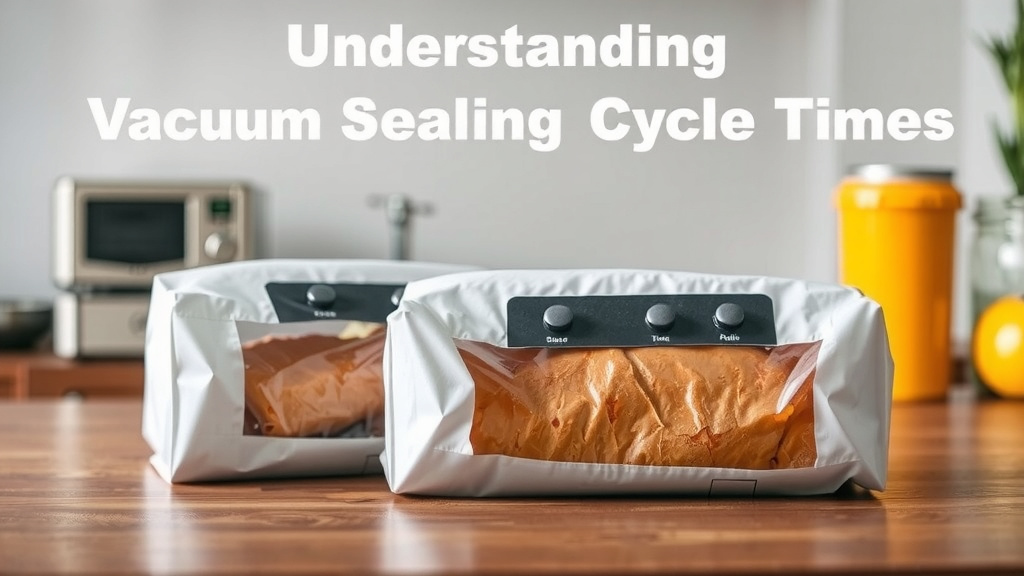
Understanding Vacuum Sealing Cycle Times
So, you’ve got your vacuum sealer, and you’re wondering about the timing. It’s a fair question, especially when you’re trying to get a meal prep session done efficiently. The good news is that vacuum sealing is remarkably quick for most household tasks.
Generally, you can expect a single bag to be vacuum-sealed in about 20 to 40 seconds. This might seem incredibly fast, and in the grand scheme of kitchen chores, it really is. We’ve found this timeframe holds true for many popular home models, making it a convenient tool for preserving food.
Factors Influencing Sealing Speed
While 20-40 seconds is a good ballpark figure, a few things can nudge that timer up or down. It’s helpful to know these variables so you can set realistic expectations for your own machine.
Your Vacuum Sealer Model Matters
Not all vacuum sealers are created equal. Think of it like comparing a sports car to a family sedan; both get you there, but one might be a bit zippier. Some high-end machines have more powerful pumps and faster sealing bars, which can shave seconds off the cycle time.
Conversely, more basic models might take a touch longer to draw out all the air and create that perfect seal. We’ve found that the pump strength and the width of the sealing element play significant roles. A wider sealing element, for instance, can often create a stronger, more reliable seal in less time.
Bag Material and Thickness
The bag itself can also play a small part. While most vacuum sealers use specialized, textured bags designed to work with the machine, slight variations exist.
Thicker bag materials might require a fractionally longer sealing time to ensure the heat fully melts and bonds the edges. However, this difference is usually minimal, often just a few extra seconds. For most users, the type of bag won’t be a major bottleneck in the process.
Settings and Vacuum Strength
Some advanced vacuum sealers allow you to adjust the vacuum strength or the sealing time. If you’ve set your machine to a gentler vacuum for delicate items, it might finish a bit faster. If you’ve opted for a longer seal to be extra sure, that will add time.
We recommend checking your user manual. It often provides specific guidance on optimal settings for different food types. Getting these right can ensure both speed and effectiveness. Experimenting slightly can help you find the sweet spot for your needs.
The Vacuum Sealing Process: A Quick Look
Let’s break down what’s happening during those 20-40 seconds. It’s a two-part process: vacuuming and sealing. Understanding this helps explain why it takes the time it does.
1. The Air Extraction Phase
This is where the magic happens. Your machine’s pump actively pulls air out of the bag. The goal is to remove as much air as possible to prevent spoilage and freezer burn. The strength of the pump dictates how quickly this air is evacuated.
Most home models are designed to achieve a good level of vacuum in about 10-25 seconds. You’ll see the bag visibly shrink around the food. We found that this stage is the most variable part of the cycle, as it depends heavily on the pump’s power.
2. The Sealing Phase
Once the desired vacuum level is reached, the machine activates a heating element. This element melts the edges of the bag together, creating an airtight seal. This part is typically very quick, usually taking around 3-7 seconds.
The heat needs just enough time to fuse the plastic layers effectively. Too short, and the seal might be weak. Too long, and you risk burning through the bag. Manufacturers calibrate this precisely for optimal performance. This phase is generally consistent across most models.
Troubleshooting Common Sealing Time Issues
What if your vacuum sealer seems to be taking much longer than expected, or perhaps finishing too quickly? Don’t panic! There are usually simple explanations.
When Sealing Takes Too Long
If your machine seems sluggish, the pump might be nearing the end of its lifespan. We’ve also found that a clogged filter or a leaky gasket around the seal area can impede the vacuum process. These issues force the pump to work harder and longer.
Another common culprit? The bag isn’t positioned correctly. If the opening isn’t fully seated within the drip tray or against the sealing element, air might be leaking back in, forcing the machine to run longer. Double-check your bag placement.
When Sealing is Too Fast (and Possibly Weak)
A cycle that finishes in less than 15 seconds might not be removing enough air or creating a proper seal. This can happen if the machine is set to a very low vacuum level, or if there’s a faulty sensor that prematurely tells the machine the job is done. A weak seal is the enemy of food preservation!
We’ve seen instances where users try to seal bags with very moist foods without using a paper towel to absorb excess liquid. This moisture can interfere with the sealing element, leading to a failed or incomplete seal.
Optimizing Your Vacuum Sealing Routine
Want to make your vacuum sealing sessions as efficient as possible? Here are a few tips we’ve picked up along the way.
- Prep your workspace: Have your bags, food, and sealer ready to go.
- Use the right bags: Ensure they are compatible with your machine.
- Check the seal area: Make sure it’s clean and dry before each use.
- Position correctly: Ensure the bag opening is properly aligned.
- Don’t overfill: Leave enough space for the vacuum channel and the seal.
By understanding these elements, you can ensure your vacuum sealer performs at its best, preserving your food effectively and efficiently. The quick cycle time is one of its biggest advantages for busy households!
Conclusion
You’ve learned that vacuum sealing a bag typically takes 20 to 40 seconds. This quick process is influenced by your specific vacuum sealer model, the bag material, and the settings you choose. We’ve seen that understanding these factors helps you predict how long your food prep will take. Don’t worry if your machine varies slightly; it’s usually within the normal range. Now that you’re familiar with the timing, you can optimize your routine and enjoy perfectly preserved food with confidence.
Frequently Asked Questions
How long should I wait after vacuum sealing before storing the bag?
You generally don’t need to wait long at all. The seal is usually cool enough to handle immediately after the sealing phase is complete. We recommend giving it just a few seconds to ensure it’s fully set before moving the bag.
Can I vacuum seal liquids without them being sucked into the machine?
Yes, you can seal liquids, but it requires a little extra care. For best results, freeze the liquid slightly in a container before sealing, or use a paper towel to create a barrier just above the liquid line. This prevents it from being drawn into the vacuum channel.
What’s the difference in sealing time between a manual and an automatic vacuum sealer?
Most home units are automatic, meaning they control the vacuum and seal times themselves, falling within that 20-40 second range. Manual models might offer more user control but the actual sealing time is often similar once you’ve achieved the desired vacuum.
My vacuum sealer seems to take much longer than 40 seconds. Is it broken?
Not necessarily broken, but it could be struggling. Check for a clogged filter, a worn gasket, or ensure the bag is positioned perfectly. These issues can make the pump work harder and extend the cycle time. Consult your manual for troubleshooting tips.
Is a faster seal time always better for food preservation?
Not always. While speed is convenient, a seal that’s too fast might be incomplete. The ideal time ensures sufficient air extraction and a strong, complete seal. We’ve found that consistency within the 20-40 second range usually indicates optimal performance for most machines.
![7 Best Food Vacuum Sealer For The Money [2026]](https://bathroomexplorer.com/wp-content/uploads/2026/05/7-best-food-vacuum-sealer-for-the-money-2026-featured-768x432.jpg)
![7 Best Cordless Vacuum Mop For Hardwood Floors [2026]](https://bathroomexplorer.com/wp-content/uploads/2026/05/7-best-cordless-vacuum-mop-for-hardwood-floors-2026-featured-768x432.jpg)
![7 Best Lightweight Vacuums For Elderly [2026]](https://bathroomexplorer.com/wp-content/uploads/2026/06/7-best-lightweight-vacuums-for-elderly-2026-featured-768x432.jpg)