How Long Does Meat Last Vacuum Packed?
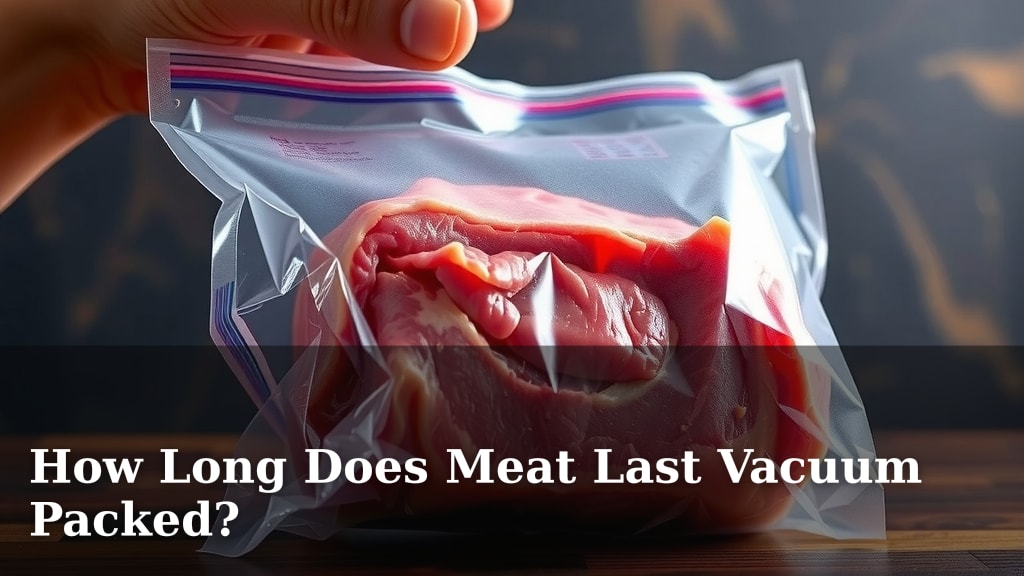
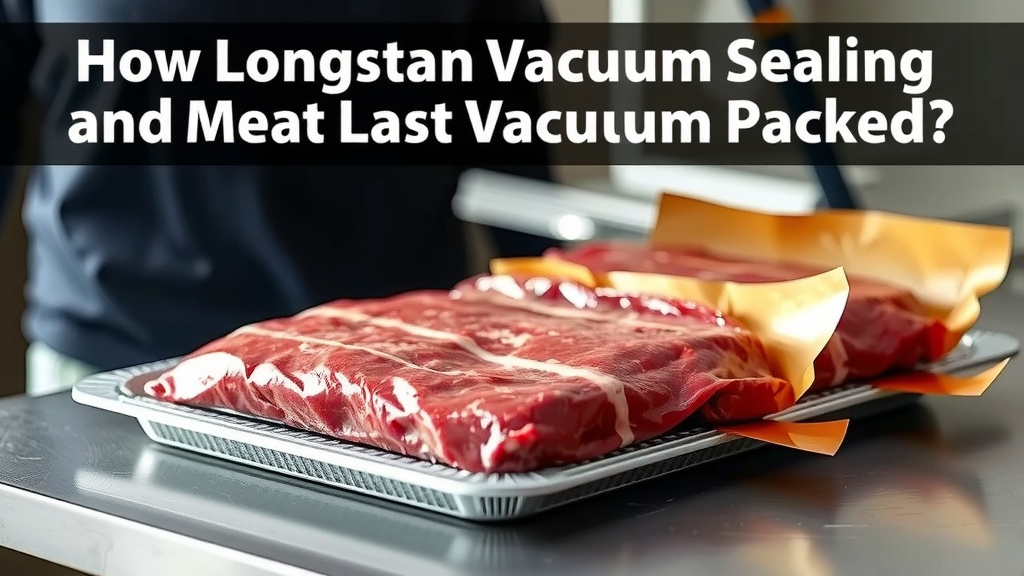
You can expect vacuum-packed meat to last 3 to 5 times longer than conventionally wrapped meat. Typically, fresh meat might last a few days in the fridge, but vacuum sealing can extend its life to 1 to 2 weeks. This happens because vacuum sealing removes almost all the oxygen, which significantly slows down spoilage.
This extended shelf life is a real game-changer for your kitchen. You can buy meat in bulk when it’s on sale and freeze portions without worrying about freezer burn. Proper vacuum packing helps preserve the flavor, texture, and nutritional value of your meats.
- Vacuum-packed meat lasts 3-5x longer.
- Expect 1-2 weeks in the fridge vs. a few days.
- Oxygen removal is the key to preservation.
- Great for bulk buying and preventing freezer burn.
- Maintains flavor, texture, and nutrients.
Let’s break down exactly how long your vacuum-sealed meats can hang out in the fridge and freezer, and what factors play a role.
Understanding Vacuum Sealing and Meat Preservation
So, you’ve got your hands on some delicious meat and want to keep it fresh for as long as possible. You’re wondering, “How long does meat actually last when vacuum-packed?” You’ve come to the right place!
Vacuum sealing is a fantastic method to extend the shelf life of your meats. It works by removing the air around the food. This lack of oxygen is the secret sauce. It slows down the growth of bacteria and other microorganisms that cause spoilage. This means less waste and more delicious meals for you!
The Science Behind Extended Shelf Life
Think of oxygen as the enemy of fresh meat. It helps aerobic bacteria thrive. These are the tiny critters that make meat go bad, affecting its smell, color, and taste. When you vacuum seal meat, you’re essentially starving these bacteria of the air they need to multiply.
This process also helps prevent freezer burn if you plan to freeze your meat. Freezer burn happens when air comes into contact with frozen food, causing moisture to evaporate and leaving dry, icy patches. A good vacuum seal creates a barrier, keeping your meat moist and delicious even after long freezer storage (National Center for Home Food Preservation).
How Long Can You Expect Your Vacuum-Sealed Meat to Last?
The exact time frame can vary a bit. It depends on the type of meat and whether it’s going into the refrigerator or the freezer. Let’s break it down so you know what to expect.
Refrigerated Vacuum-Packed Meat
For fresh meat stored in the refrigerator, vacuum sealing can make a huge difference. Typically, raw chicken, beef, pork, or lamb might only last 3-5 days when wrapped traditionally. With vacuum sealing, you can often extend this to 1 to 2 weeks.
Cooked meats also benefit. While cooked meats might last 3-4 days in the fridge normally, vacuum-sealed leftovers can often last up to 10 days. This is great for meal prepping and enjoying your meals without constant worry.
Frozen Vacuum-Packed Meat
When it comes to freezing, vacuum sealing is a superhero. It protects your meat from the harsh cold air in the freezer. This means no more pesky freezer burn!
Research indicates that vacuum-sealed meat can last in the freezer for 2 to 3 years. Compare that to conventionally wrapped meat, which might only last 6-12 months before quality starts to decline noticeably. You’re looking at a four-fold increase in quality storage time, sometimes even more!
Factors Affecting Vacuum-Sealed Meat Shelf Life
While vacuum sealing is powerful, it’s not magic. Several factors can influence how long your meat stays fresh. Knowing these can help you get the best results.
Initial Quality of the Meat
The old saying “garbage in, garbage out” definitely applies here. If your meat wasn’t fresh to begin with, vacuum sealing won’t make it magically fresh again. Always start with the highest quality meat you can find.
Make sure the meat is properly chilled before you vacuum seal it. Sealing warm meat can create condensation inside the bag. This moisture can promote bacterial growth, even in a low-oxygen environment. Aim for meat that is cold to the touch, ideally below 40°F (4°C).
Temperature Control is Key
Even with vacuum sealing, temperature is your best friend for food safety. Refrigerated items need to stay consistently cold. Keep your refrigerator at or below 40°F (4°C).
For frozen items, your freezer should be set at 0°F (-18°C) or below. Fluctuations in temperature, like from opening the freezer door frequently, can still affect the quality over time. Consistent cold temperatures are vital for slowing down any remaining microbial activity.
The Vacuum Sealing Process Itself
A good seal is essential. You want to ensure that all the air is removed from the bag. Most vacuum sealers have an indicator or a strong suction sound that lets you know it’s working.
Check the seal after it’s done. Run your finger along the edge to make sure it’s completely sealed. If you see any gaps or the seal looks weak, it’s best to reseal the bag. A proper seal is your primary defense against spoilage.
Comparing Vacuum Sealing to Other Methods
Let’s see how vacuum sealing stacks up against common methods.
| Storage Method | Refrigerator (Days) | Freezer (Months) |
|---|---|---|
| Original Packaging | 1-2 | 3-4 |
| Airtight Container/Wrap | 3-4 | 4-6 |
| Vacuum Sealed | 10-14 | 24-36 |
As you can see, vacuum sealing offers a dramatic increase in storage time for both refrigeration and freezing. It’s a real game-changer for reducing food waste and saving money.
Tips for Maximizing Your Vacuum-Sealed Meat
Want to make sure your vacuum-sealed meats are as good as possible when you use them? Here are a few quick tips:
- Start Fresh: Always use the freshest meat possible for sealing.
- Chill First: Make sure meat is thoroughly chilled before sealing.
- Use Quality Bags: Invest in good quality, food-grade vacuum seal bags.
- Check Seals: Double-check that every bag is sealed tightly.
- Label Clearly: Always label bags with the type of meat and the date sealed.
- Freeze Properly: For long-term freezer storage, ensure your freezer is at 0°F (-18°C).
By following these simple steps, you can ensure that your vacuum-sealed meats maintain their flavor and quality for extended periods, whether they’re in the fridge or the freezer.
Conclusion
You’ve learned that vacuum sealing dramatically extends the life of your meat. By removing oxygen, you can keep raw meat in the fridge for 1-2 weeks and frozen meat for 2-3 years with excellent quality. This method is your secret weapon against spoilage and freezer burn. Always start with fresh, cold meat and ensure a perfect seal for the best results. Take the step today to vacuum seal your next meat purchase. You’ll save money and reduce food waste, enjoying fresher meat for longer.
Frequently Asked Questions
Can I vacuum seal meat that is still slightly warm?
It’s best to avoid sealing warm meat. Warm meat can create condensation inside the bag. This moisture can encourage bacterial growth, even in a vacuum-sealed environment. Always chill your meat thoroughly before sealing to ensure maximum freshness.
How do I know if my vacuum-sealed meat has gone bad?
Even vacuum-sealed meat can spoil if not handled properly or if the seal fails. Look for any signs of spoilage like an off odor, slimy texture, or mold growth. If you have any doubts, it’s always safer to discard the meat.
What’s the difference in shelf life for cooked vs. raw vacuum-sealed meat?
Raw meats generally last longer when vacuum-sealed in the refrigerator than cooked meats. Raw beef, pork, or lamb might last 1-2 weeks, while cooked leftovers typically hold up well for about 10 days under similar conditions.
Do I still need to refrigerate or freeze vacuum-sealed meat?
Yes, absolutely. Vacuum sealing slows down spoilage but does not stop it. Raw meat must be kept refrigerated at 40°F (4°C) or below or frozen at 0°F (-18°C) or below to maintain safety and quality.
What if my vacuum bag has a small leak? Should I still use the meat?
If you notice a small leak in a vacuum-sealed bag, especially for refrigerated meat, it’s a good idea to reseal it immediately. If it was for freezer storage and the leak is minor, the quality might be slightly compromised, but it’s likely still safe if refrozen quickly. Always check for spoilage signs.