How Long Does the Average Vacuum Last?
The average vacuum cleaner lasts for 8 to 15 years. This lifespan depends on factors like the vacuum’s quality, how often you use it, and your maintenance routine. While some budget models might not reach the upper end of this range, higher-end vacuums often outlive it with proper care.
Understanding your vacuum’s potential lifespan helps you budget and plan. A well-maintained vacuum can save you money and hassle. Think of it as an investment in your home’s cleanliness for years to come. We’ve researched what affects a vacuum’s longevity.
- Vacuum lifespan varies by type and brand.
- Regular cleaning and maintenance are key to a longer life.
- Usage frequency greatly impacts how long your vacuum lasts.
- Higher-quality vacuums generally have a longer operational life.
Let’s dive into the details to help you understand how long your vacuum cleaner is likely to stick around and what you can do about it.
Understanding Your Vacuum’s Lifespan: How Long Will It Last?
So, you’re curious about how long your trusty vacuum cleaner is going to keep humming along, right? We found that the average vacuum cleaner can last anywhere from 8 to 15 years. This isn’t a hard and fast rule, though. Your vacuum’s longevity really depends on a few key things. Think of it like caring for a car; a little attention goes a long way. Let’s break down what makes a vacuum tick for the long haul.
Factors Influencing Vacuum Cleaner Durability
Several elements play a role in determining how long your vacuum cleaner will serve you. It’s not just about luck; it’s about quality, usage, and care. We’ve looked into what makes some vacuums last longer than others. Understanding these factors can help you make a more informed decision when it’s time to buy a new one, or help you care for the one you already have.
Quality of the Vacuum Cleaner
The initial quality of your vacuum is a huge predictor of its lifespan. Higher-end models are often built with more durable materials and better engineering. This means they can withstand more wear and tear. Cheaper vacuums might use thinner plastics and less robust motors. These components are more prone to breaking down over time.
Materials and Construction
When we researched, we found that vacuums made with sturdy plastics and metal components tend to last longer. You might notice the difference in the weight and feel of a premium vacuum. They are built to endure constant suction and movement. This solid construction prevents cracks and breaks that can sideline cheaper models.
Motor Power and Efficiency
The motor is the heart of your vacuum. A well-designed motor will be powerful yet efficient. This means it can handle demanding tasks without overheating. Overheating can significantly shorten a motor’s life. Many experts suggest that vacuums with better cooling systems and higher-quality motor windings will offer a longer service life (Consumer Reports).
Usage Frequency and Intensity
How often and how intensely you use your vacuum cleaner is another major factor. A vacuum used for a quick weekly clean in a small apartment will likely last longer than one used daily in a large house with pets and kids. Think about it – running your vacuum daily puts more hours on the motor and more stress on its parts. Frequent, heavy-duty use can accelerate wear and tear.
Daily vs. Weekly Cleaning
If your vacuum is your daily workhorse for tackling everyday messes, it’s going to accumulate more hours than a machine used only for a deep clean once a week. This increased usage means more strain on the motor, brush roll, and filters. It’s like a car driven across the country versus one used for short trips around town.
Type of Messes It Tackles
Is your vacuum primarily used for light dust and crumbs, or does it regularly battle pet hair, large debris, or even fine particles like sawdust? We found that vacuums used for heavy-duty cleaning, especially those dealing with abrasive materials, will likely have a shorter lifespan. These tasks put extra stress on the motor and can clog filters more quickly.
Maintenance and Care Routine
This is where you have the most control over your vacuum’s lifespan. A good maintenance routine is like regular check-ups for your vacuum. It ensures all parts are working efficiently and prevents minor issues from becoming major problems. Neglecting maintenance can drastically reduce how long your vacuum lasts, no matter its initial quality.
Emptying the Dustbin or Bag
This is perhaps the simplest yet most critical maintenance step. A full dustbin or bag restricts airflow. This makes the motor work harder, overheat, and lose suction power. We recommend emptying your vacuum’s container whenever it reaches about two-thirds full. This ensures optimal performance and reduces strain on the motor.
Cleaning and Replacing Filters
Filters are essential for trapping dust and allergens. Clogged filters severely reduce suction and can damage the motor. Most vacuums have washable filters or replaceable ones. We found that regularly cleaning or replacing filters according to the manufacturer’s instructions is vital. Many experts suggest checking filters monthly and cleaning them as needed (ASPCA).
Checking for Blockages
Hoses, brush rolls, and other parts can become clogged with debris. A blockage forces the motor to work harder and can lead to overheating or damage. Periodically check these areas for any obstructions. Clearing them promptly can prevent serious issues and maintain your vacuum’s efficient operation.
Brush Roll Care
Pet hair and carpet fibers can tangle around the brush roll, hindering its ability to pick up dirt. This puts extra strain on the motor. Most manufacturers recommend cleaning the brush roll regularly. Some models even have self-cleaning brush rolls, which are a great feature for pet owners.
Type of Vacuum Cleaner
Different types of vacuums have varying typical lifespans. For instance, a high-quality upright or canister vacuum is generally built for durability. Stick vacuums, while convenient, might not last as long due to their compact design and often less powerful motors. Robot vacuums, with their complex electronics and smaller parts, can also have shorter lifespans.
Upright and Canister Vacuums
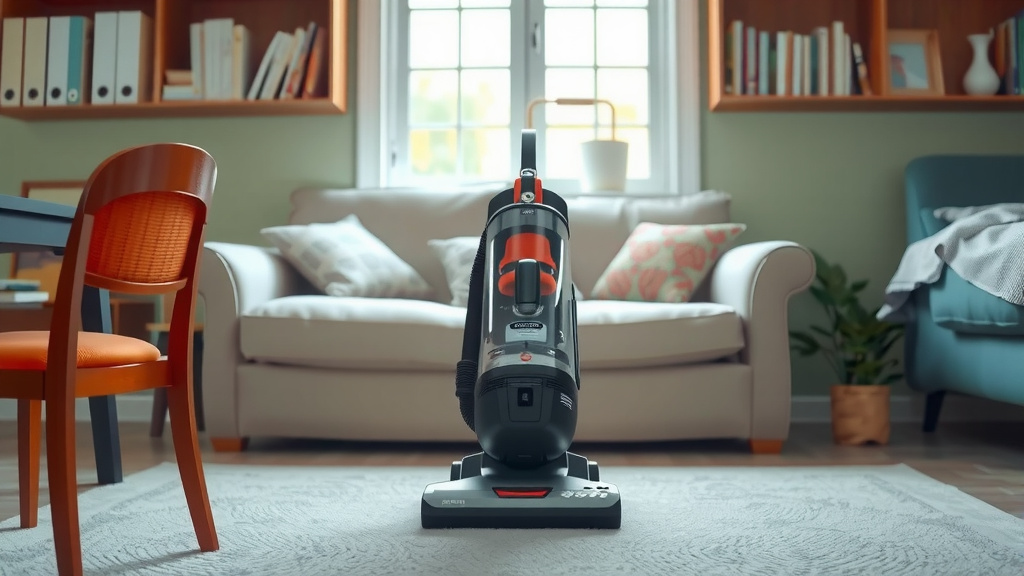
These are often considered the workhorses of vacuuming. They tend to have larger, more robust motors and are built for durability. A well-maintained upright or canister vacuum can easily last 10-15 years or even longer. Their design allows for better cooling and more substantial components.
Stick and Handheld Vacuums
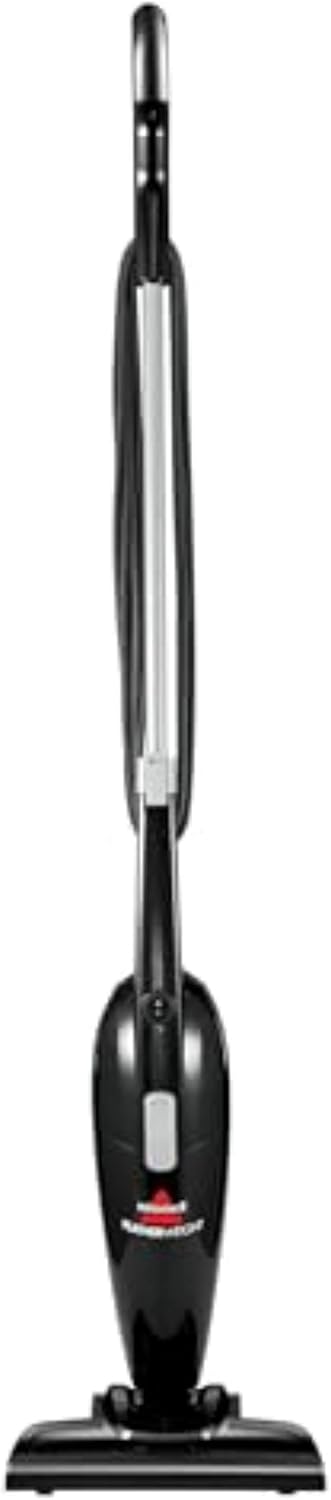
Stick vacuums are designed for convenience and quick cleanups. We found that while they are excellent for everyday messes, their smaller motors and batteries (for cordless models) might not withstand the same longevity as their larger counterparts. Their lifespan can range from 3-7 years, depending on quality and usage.
Robot Vacuums
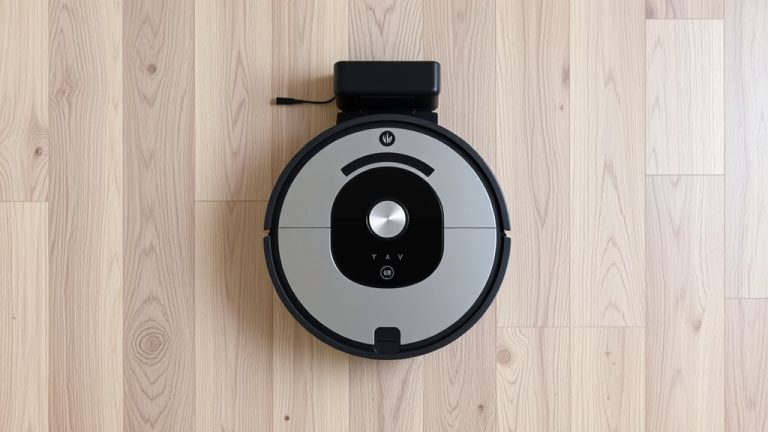
Robot vacuums are packed with technology. Their lifespan is often limited by the battery and electronic components. Many manufacturers suggest batteries may need replacing after 2-4 years. The overall lifespan of a robot vacuum typically ranges from 3-6 years. Regular cleaning and firmware updates can help maximize their life.
Common Issues That Shorten Vacuum Lifespans
Sometimes, even with good intentions, certain problems can creep up and cut your vacuum’s life short. Being aware of these common pitfalls can help you avoid them. We want your vacuum to keep working well for as long as possible!
- Overheating: Often caused by full bins, clogged filters, or blockages.
- Motor Strain: Resulting from trying to vacuum too much at once or dealing with heavy debris.
- Battery Degradation: Primarily an issue for cordless and robot vacuums, where batteries lose capacity over time.
- Component Wear: Parts like brush rolls and hoses can wear out from constant use or damage.
- Electrical Malfunctions: Though less common, these can occur due to wear and tear or manufacturing defects.
Knowing these factors helps you appreciate the investment you make in a vacuum cleaner. By understanding what contributes to longevity, you can better care for your current machine or choose a new one that will serve your home for years to come.
Conclusion
Your vacuum cleaner’s lifespan, typically 8 to 15 years, is largely in your hands. We found that a vacuum’s durability hinges on its initial quality, how often you use it, and the care you provide. Higher-end models and consistent, proper maintenance are your best bets for a long-lasting machine. Simple habits like regularly emptying the bin, cleaning filters, and checking for blockages can prevent costly repairs and premature replacement.
To get the most out of your investment, make a habit of these simple maintenance checks. This will ensure your vacuum continues to perform well for years to come, keeping your home clean with less stress and expense. You’ve got this!
Frequently Asked Questions
How often should I empty my vacuum cleaner’s dustbin or bag?
You should empty your vacuum’s dustbin or bag when it’s about two-thirds full. This prevents the motor from working too hard and losing suction power. Keeping it from getting too full is one of the easiest ways to extend your vacuum’s life.
Can a cheap vacuum cleaner really last as long as an expensive one?
While some budget models can surprise you, research suggests they generally don’t last as long as higher-quality vacuums. Cheaper vacuums often use less durable materials and less robust motors that are more prone to wear and tear over time.
What’s the most common reason vacuums break down early?
We found that the most common reasons for early vacuum breakdowns are clogged filters and blockages. These issues force the motor to strain, leading to overheating and eventual damage. Neglecting simple maintenance is often the culprit.
How does pet hair affect my vacuum’s lifespan?
Pet hair can significantly impact your vacuum’s lifespan. It tends to clog filters and tangle the brush roll, making the motor work harder. Regularly cleaning the brush roll and emptying the bin is especially important if you have pets.
Should I replace my vacuum if it’s no longer picking up dirt effectively?
Not necessarily right away. If your vacuum has lost suction, first check for a full dustbin, clogged filters, or blockages in the hose or brush roll. Often, a thorough cleaning and maintenance routine can restore its performance and extend its life.

![7 Best Inexpensive Robot Vacuum For Pet Hair [2026]](https://bathroomexplorer.com/wp-content/uploads/2026/06/7-best-inexpensive-robot-vacuum-for-pet-hair-2026-featured-768x432.jpg)