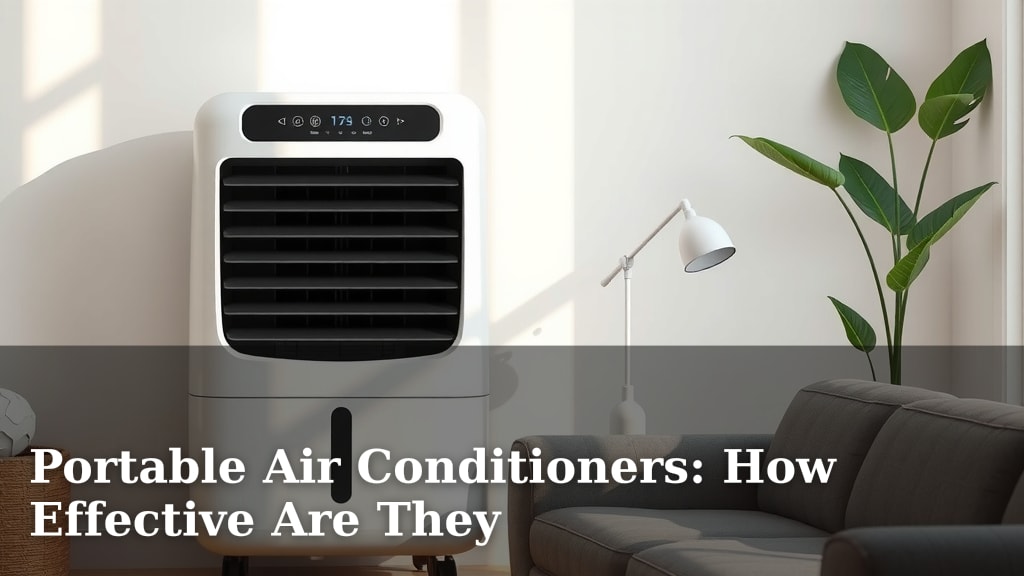
Portable Air Conditioners: How Effective Are They
Yes, portable air conditioners can be very effective for cooling individual rooms or small spaces when used correctly. They offer a convenient and more affordable solution than central air for targeted cooling. While they may not cool an entire large house, they are great for supplementing existing AC or cooling areas without permanent units.
Many people wonder if these mobile units can truly beat the heat. Research shows that a properly sized portable AC can significantly lower the temperature in a bedroom or office. They work by drawing in warm air, cooling it, and then expelling the hot air and moisture outside through a vent hose. This makes them a popular choice for renters or those needing a flexible cooling option.
- Portable ACs are effective for cooling single rooms.
- They are a good alternative to central air for specific areas.
- Proper sizing and installation are key to their performance.
- They can help reduce energy costs by cooling only occupied spaces.
Ready to learn more about making your space comfortably cool? We’ll walk through how portable air conditioners stack up and what you need to know to get the best results.
How Well Do Portable Air Conditioners Work?
Portable air conditioners can be surprisingly effective for cooling specific areas. Think of them like a personal fan, but with the power to chill the air. They are excellent for targeting a single room, like your bedroom on a hot summer night or your home office during the day. When sized correctly, they can make a big difference in your comfort level.
The main idea is to cool the air you’re actually in, rather than trying to cool your entire house. This makes them a smart choice for many situations. They work by pulling warm air from the room, passing it over a cold coil, and then pushing the cooled air back into the room. The heat and moisture removed from the air are expelled outside through a vent hose.
Understanding How They Cool Your Space
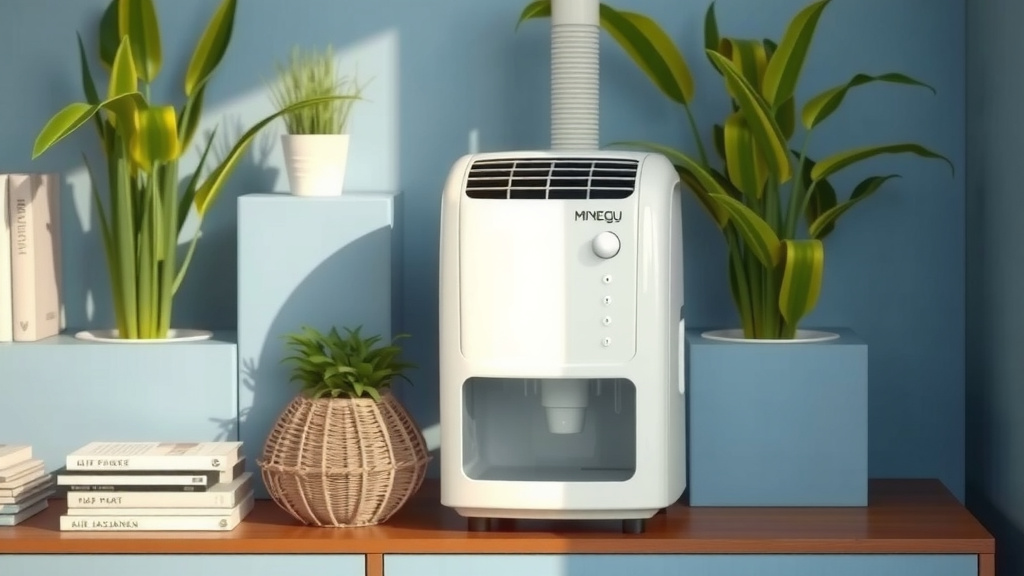
A portable AC unit is essentially a self-contained air conditioner on wheels. It has a compressor, condenser, and evaporator all in one compact unit. You’ll need to place it near a window so you can attach the exhaust hose. This hose is vital; it carries the hot air and water vapor generated during the cooling process out of your room.
The Venting Process: Your Key to Success
Getting the vent hose set up properly is probably the most important step for effective cooling. Most units come with a window kit. This kit usually includes a panel that fits into your window frame and has a hole for the hose. You want to create a good seal around the hose and the window kit. This prevents hot outside air from leaking back into your room.
A poor seal can really undermine the unit’s performance. It’s like trying to keep a room cool with the door wide open. Research and found that ensuring a snug fit, sometimes with extra tape or foam, can significantly improve efficiency (Energy Star). Without proper venting, the unit works much harder and uses more energy.
Single-Hose vs. Dual-Hose Systems
You’ll often see two main types: single-hose and dual-hose models. It’s helpful to know the difference.
- Single-Hose Units: These use the room’s air to cool the condenser and then expel that air outside through the hose. This can create a slight negative pressure in the room, meaning it pulls in warmer air from other parts of your home or from outside through cracks and openings.
- Dual-Hose Units: These are generally more efficient. One hose brings outside air in to cool the condenser, and the other hose expels that hot air outside. This creates a more balanced pressure, preventing the unit from sucking in unwanted warm air from elsewhere. Many experts say dual-hose models cool spaces faster and more effectively.
Factors Affecting Portable AC Effectiveness
Several things can influence how well your portable air conditioner performs. It’s not just about plugging it in and turning it on.
Getting the Right Size (BTUs Matter!)
This is a big one. Portable ACs are rated in British Thermal Units (BTUs). This number tells you how much cooling power the unit has. Too small a unit, and it won’t be able to cool the room, running constantly without reaching your desired temperature. Too large a unit, and it might cool the room too quickly without removing enough humidity, leaving the air feeling clammy.
We found that sizing charts are your best friend here. A general rule of thumb, supported by many consumer guides, is about 20 BTUs per square foot of room space. So, for a 150-square-foot bedroom, you’d look for a unit around 3,000 BTUs. However, factors like ceiling height, window insulation, and how much sun the room gets can mean you need a higher BTU rating.
| Room Size (Sq. Ft.) | Recommended BTUs |
|---|---|
| 100-150 | 5,000 – 6,000 |
| 150-250 | 7,000 – 8,000 |
| 250-350 | 9,000 – 10,000 |
| 350-450 | 11,000 – 12,000 |
| 450-550 | 13,000 – 14,000 |
Remember, these are just starting points. If your room has large windows, high ceilings, or is constantly in direct sunlight, you might need to go up a size. On the flip side, if you’re just trying to supplement an existing AC or cool a very small space, a smaller unit might be perfectly adequate.
Room Sealing and Insulation
Just like a good vent seal, keeping the room itself sealed is key. Close doors and windows when the unit is running. This prevents cool air from escaping and warm air from entering. You’d be surprised how much heat can sneak in through tiny gaps!
We’ve also found that older windows or poorly insulated walls can make any AC unit work harder. If you have drafty windows, consider using temporary window insulation film or weather stripping. This simple step can really help your portable AC perform at its best.
Placement Matters!
Where you put the unit can also affect its cooling ability. It’s best to place the portable AC away from direct sunlight. Don’t put it right next to furniture that could block the air intake or output. Good airflow around the unit is essential for it to operate efficiently.
Maintenance for Maximum Cooling
Like any appliance, portable air conditioners need a little TLC. The most common maintenance task is cleaning or replacing the air filter. A dirty filter restricts airflow, making the unit less effective and potentially causing it to freeze up. Check your manual, but most filters need cleaning monthly during heavy use.
You’ll also need to manage the condensed water. Many units have a collection tank that needs to be emptied. Some higher-end models have auto-evaporation systems that expel most of the water with the exhaust air, but you’ll still need to empty the tank occasionally. Keeping these things in mind ensures your unit runs smoothly and cools your space efficiently.
When Are Portable ACs the Right Choice?
So, are they effective? Yes, under the right conditions! They shine in specific scenarios:
- Cooling Single Rooms: Perfect for bedrooms, home offices, dorm rooms, or studios where central AC is not available or is insufficient.
- Supplementing Existing AC: If your main AC struggles to cool certain areas of your home, a portable unit can provide targeted relief.
- Temporary Cooling Needs: Ideal for situations where you don’t want or can’t install a permanent unit, like in a rental property.
- Energy Savings: By cooling only the occupied room, you can potentially save money on your energy bills compared to running central air throughout the house.
Think of them as your secret weapon against localized heat waves. They offer a practical and cost-effective solution for staying comfortable without a major renovation or expense.
Quick Checklist for Effective Portable AC Use
To ensure your portable air conditioner works as well as possible, keep these points in mind:
- Choose the Right Size: Match the BTU rating to your room’s square footage.
- Vent Properly: Ensure a tight seal around the exhaust hose and window kit.
- Seal Your Room: Close doors and windows to keep cool air in.
- Keep it Clean: Regularly clean the air filter and manage water drainage.
- Optimize Placement: Avoid direct sunlight and ensure good airflow around the unit.
- Consider Dual-Hose: If possible, opt for a dual-hose model for better efficiency.
Conclusion
Portable air conditioners can absolutely be effective for cooling specific spaces when you set them up right. We’ve seen that proper sizing and sealing that exhaust hose are your biggest allies. When you focus on these key details, these units can deliver noticeable relief without the cost of central air. They’re a fantastic way to target comfort where you need it most, whether that’s your bedroom, home office, or any spot that gets too warm. Ready to beat the heat? Make sure to follow our quick checklist for the best results.
Frequently Asked Questions
How long does it take for a portable AC to cool a room?
The time it takes can vary depending on the unit’s size (BTUs) and the room’s conditions. Generally, a properly sized portable AC can start cooling a small to medium-sized room within 30 minutes to an hour. Factors like insulation and how hot the room initially is will affect this timing.
Can a portable AC replace my central air conditioning?
For most homes, a portable AC cannot fully replace central air conditioning, especially in larger houses. They are designed for spot cooling, excelling at making a single room comfortable. They can, however, be an excellent supplement to central AC or a primary cooling solution for small apartments or individual rooms.
Do portable air conditioners use a lot of electricity?
Portable ACs do use electricity, but their energy consumption is often more efficient than cooling an entire house with central air when used for targeted cooling. Dual-hose models tend to be more energy-efficient than single-hose units. Always check the Energy Star rating and compare wattage to understand the potential electricity usage for the model you choose.
What happens if I don’t vent my portable air conditioner correctly?
If you don’t vent your portable AC correctly, it will be very ineffective and use more energy. A poor seal allows hot air from outside to re-enter your room, forcing the unit to work much harder to cool the space. This can lead to higher electricity bills and a room that never feels cool enough.
Are dual-hose portable ACs always better than single-hose?
Dual-hose portable ACs are generally considered more effective and efficient because they use outside air to cool the unit and expel hot air, rather than pulling air from your room. This maintains better air pressure and prevents warm air from being drawn into the room from elsewhere. For faster and more efficient cooling, dual-hose models are often the preferred choice.
![7 Best Heat Cool Window Air Conditioner [2026]](https://bathroomexplorer.com/wp-content/uploads/2026/06/7-best-heat-cool-window-air-conditioner-2026-featured-768x432.jpg)
![7 Best Sound Blanket For Air Conditioner [2026]](https://bathroomexplorer.com/wp-content/uploads/2026/06/7-best-sound-blanket-for-air-conditioner-2026-featured-768x432.jpg)