Carrier AC Lifespan: How Long Can You Expect Yours to Last
So, how long do Carrier air conditioners last? You can expect your Carrier AC unit to last, on average, between 15 and 20 years with proper care and maintenance. This lifespan can stretch even longer if you prioritize regular tune-ups and address minor issues promptly. It’s a solid investment for your home’s comfort.
The longevity of your Carrier AC unit depends on several factors. These include the model you choose, your local climate, and how often you run the system. Regular maintenance is key to preventing premature wear and tear and keeping your system running efficiently for as long as possible.
- Average lifespan: 15-20 years.
- Key factors: model, climate, usage, maintenance.
- Regular check-ups extend life.
- Address small issues quickly.
Ready to learn more about keeping your Carrier AC running smoothly for years to come? Let’s break down the details so you can make informed decisions about your home comfort system.
Understanding the Lifespan of Your Carrier Air Conditioner
So, you’re curious about how long your Carrier air conditioner is expected to keep you cool. We found that with regular care, most Carrier AC units can perform reliably for about 15 to 20 years. Think of it like a good car; with proper maintenance, it can go the distance. This lifespan isn’t just a number; it’s a reflection of the unit’s quality and how well you treat it.
Several factors play a role in this longevity. Your specific Carrier model matters, as does the climate you live in. If you’re in a place with extreme heat or humidity, your AC might work harder. And how often you run it naturally impacts wear and tear. But don’t worry, we’ll walk through what influences this and how you can maximize your unit’s life.
Factors Influencing Your Carrier AC’s Lifespan
Climate: A Major Player
Your local weather is a big deal for your air conditioner. If you live somewhere with scorching hot summers and you run your AC almost constantly, it’s going to experience more stress. Constant use means more cycles, more moving parts working, and more potential for wear. In milder climates, where the AC might only be used occasionally, it often experiences less strain and can therefore last longer.
We found that extreme temperatures, whether hot or cold, can push your system to its limits. For example, areas with very high humidity might require your AC to work harder to remove moisture from the air, adding to the workload. Conversely, a place with mild summers might see AC units easily reaching the higher end of their expected lifespan.
Usage Patterns: How Often Do You Flip the Switch?
Think about how you use your AC. Do you set it to a comfortable temperature and leave it, or do you constantly adjust the thermostat? Do you turn it off completely when you leave the house, or let it run at a slightly higher setting?
Units that run frequently and for long periods will naturally wear out faster than those used sparingly. It’s like putting miles on a car; the more you drive, the sooner you’ll need certain services. However, short, frequent cycling (turning on and off rapidly) can also be tough on the compressor, a key component. Consistent, moderate use is often better than extreme on-and-off patterns.
Installation Quality: Getting it Right from the Start
Did you know that even the best AC unit can suffer if it’s not installed correctly? A proper installation is crucial for optimal performance and longevity. This includes ensuring the unit is the right size for your home – not too big, not too small – and that it’s positioned correctly for good airflow.
An improperly sized unit might short-cycle (turn on and off too frequently) or struggle to cool your home effectively, leading to excess wear. We found that experienced, certified HVAC technicians can make a significant difference here. They’ll ensure your system is set up for success from day one.
The Importance of Regular Maintenance
Routine Tune-Ups: Your AC’s Best Friend
This is perhaps the most critical aspect of extending your Carrier AC’s life. Regular professional maintenance is like a check-up for your AC. Technicians can identify small issues before they become big, expensive problems. They clean coils, check refrigerant levels, inspect electrical connections, and lubricate moving parts.
Many experts recommend having your AC system serviced at least once a year, typically in the spring before the heavy cooling season begins (Cleveland Clinic). This proactive approach helps ensure your system runs efficiently and reduces the risk of breakdowns. Think of it as preventative medicine for your AC.
What You Can Do: Simple Steps for a Longer Life
While professional maintenance is key, there are things you can do too. Changing your air filters regularly is incredibly important. Dirty filters restrict airflow, making your AC work harder and potentially damaging the system over time.
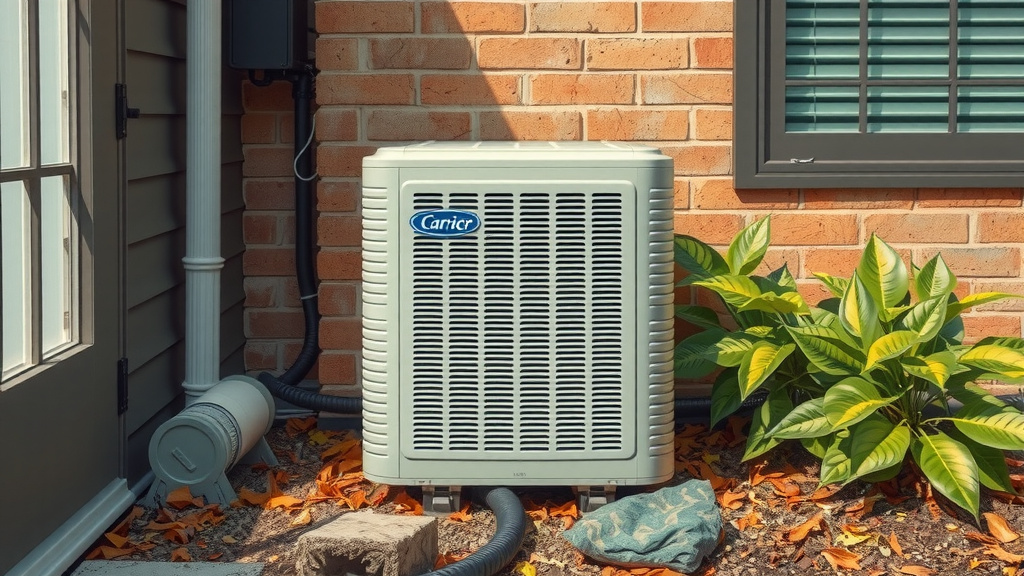
We recommend checking your filter monthly and changing it every 1-3 months, depending on the filter type and your home environment (e.g., pets, allergies). Keeping the area around your outdoor unit clear of debris, leaves, and shrubbery is also a good practice. This ensures proper airflow and prevents the unit from overheating.
When to Consider a Replacement
Even with the best care, all AC units eventually reach the end of their natural lifespan. Several signs might indicate it’s time to start thinking about a replacement. If you notice your energy bills are consistently climbing, even when you haven’t changed your usage habits, it could mean your system is becoming less efficient. Frequent repair calls are another red flag. If you’re spending a lot on repairs, it might be more cost-effective in the long run to invest in a new, more efficient unit.
Age is also a factor. If your Carrier AC is approaching or has passed the 15-20 year mark, even if it’s working, its efficiency is likely lower than newer models. Modern AC units are also much more energy-efficient, which can lead to significant savings on your utility bills. Plus, new technology often brings improved features and better comfort control.
Signs Your AC Needs Attention (or Replacement)
- Unusual noises: Grinding, squealing, or banging sounds can indicate mechanical problems.
- Weak airflow: If cool air isn’t coming out strongly from your vents, there might be a blockage or a system issue.
- Warm air: If your AC is blowing warm air, it’s a clear sign something is seriously wrong.
- Increased humidity: Difficulty keeping your home dry can point to AC problems.
- Frequent cycling: The unit turning on and off very often can strain components.
Carrier AC Lifespan: A Quick Comparison Table
Here’s a simplified look at how different factors can influence the expected lifespan of your Carrier AC unit. Remember, these are general estimates, and actual performance can vary.
| Factor | Impact on Lifespan | Notes |
|---|---|---|
| Regular Professional Maintenance | Increases lifespan | Annual tune-ups catch small issues early. |
| Climate (Extreme Heat/Humidity) | Decreases lifespan | System works harder, leading to more wear. |
| Consistent, Moderate Usage | Increases lifespan | Avoids extreme stress from constant on/off cycles. |
| Infrequent Usage | Can increase lifespan | Less wear and tear, but requires proper storage/checks. |
| DIY Filter Changes | Increases lifespan | Ensures good airflow and reduces strain. |
Maximizing Your Carrier AC’s Service Life: Your Checklist
Want to ensure your Carrier AC keeps humming along for years? Here’s a simple checklist to keep you on track:
- Schedule an annual professional tune-up each spring.
- Change your air filter regularly (check monthly, replace as needed).
- Keep the outdoor unit clear of debris and vegetation.
- Listen for unusual noises and address them promptly.
- Monitor your energy bills for unexpected increases.
- Ensure proper thermostat settings to avoid rapid cycling.
Conclusion
You now know that your Carrier air conditioner can be a reliable part of your home for 15 to 20 years. This lifespan isn’t just a given; it’s something you actively influence. Remember, regular professional maintenance is your best strategy for longevity. Simple DIY tasks, like changing air filters and keeping the outdoor unit clear, also make a big difference. If your system is showing signs of age or frequent issues, consider upgrading to a newer, more efficient model. Ready to give your AC the best chance at a long life? Schedule your next tune-up today!
Frequently Asked Questions
How does a Carrier AC’s efficiency rating affect its lifespan?
While a higher efficiency rating (like SEER) doesn’t directly increase an AC’s lifespan, it often indicates a better-built, more modern unit. These units tend to run more smoothly and with less strain. Research has found that newer, more efficient models may experience less wear and tear compared to older, less efficient counterparts.
Can using a smart thermostat extend my Carrier AC’s life?
Yes, a smart thermostat can help. It allows for more precise temperature control and can prevent your AC from constantly cycling on and off. By maintaining a more consistent temperature and avoiding extreme adjustments, you reduce stress on the system’s components, potentially extending its life.
What’s the average cost of repairs for an older Carrier AC unit?
Repair costs for older Carrier AC units can vary widely. However, as systems age, parts become more likely to fail. We found that if repairs start becoming frequent, the cumulative cost can often approach or exceed the expense of a new, more energy-efficient unit. It’s wise to track your repair expenses over a few years.
Does the type of refrigerant used impact how long my Carrier AC lasts?
Modern Carrier AC units typically use environmentally friendly refrigerants like R-410A. While the type of refrigerant itself doesn’t directly dictate lifespan, ensuring the correct refrigerant levels are maintained during professional servicing is vital for efficient operation and preventing strain on the compressor.
If I move, can I take my Carrier AC unit with me?
An air conditioner is designed to be a permanent fixture for a home’s HVAC system. The outdoor unit is connected to the indoor unit via refrigerant lines and electrical wiring. Moving an AC unit is an extremely complex process, akin to removing and reinstalling a central HVAC system, and is generally not feasible or recommended.