
Add Freon to Your Car AC: A Step-by-Step Guide
Adding Freon to your car’s air conditioner is something you can do yourself, but it requires careful steps to ensure it’s done correctly. You’ll want to add the right amount of refrigerant and use the proper type for your vehicle’s system to avoid damage. It’s a common DIY task many car owners tackle when their AC starts blowing warm air.
Many drivers find their car’s AC system loses its cool over time. This usually means the system is low on refrigerant, often called Freon. We found that identifying the correct refrigerant and understanding the safe pressure levels are key to a successful recharge. It’s also important to check for leaks before adding more Freon.
TL;DR:
- Yes, you can add Freon to your car AC yourself.
- Always use the correct type of refrigerant for your car.
- Check system pressure before and after adding Freon.
- Look for leaks – they are often why Freon levels drop.
- Be careful not to overcharge the system.
Let’s walk through exactly how to add Freon to your auto air conditioner step by step, making sure you keep your cool all summer long.
“`htmlRecharging Your Car’s AC: A DIY Freon Guide
So, your car’s air conditioning is blowing warm air? We’ve all been there, especially when that summer heat hits hard. The good news is that adding refrigerant, commonly called Freon, to your auto AC system is often a doable DIY project. You just need to be careful and follow the right steps. We found that understanding your car’s specific needs is the most important part of this job.
Getting Started: What You’ll Need
Before you even think about touching that AC can, let’s gather your supplies. Having everything ready will make the process smoother. You’ll need a can of the correct refrigerant for your car. This is super important because using the wrong type can really damage your AC system. We also found that a gauge set is essential for checking your system’s pressure.
Choosing the Right Refrigerant
This is where many people get stuck. Which Freon does your car use? Most cars made after 1995 use R-134a. Before that, they often used R-12, which is now phased out and harder to find. The easiest way to be sure? Check the sticker under your hood. It usually tells you exactly what type of refrigerant your car needs. Many DIY kits come with a hose and gauge, which is handy.
Essential Tools for the Job
Beyond the refrigerant itself, you’ll need a few other things:
- Refrigerant Can with Hose and Gauge: This is your all-in-one tool for connecting to the AC system and monitoring pressure.
- Safety Glasses: Protect your eyes from any accidental spray.
- Gloves: Keep your hands clean and protected.
- A Rag: For wiping up any spills.
Locating Your Car’s Low-Pressure Port
Your car’s AC system has two ports for refrigerant. You absolutely must connect to the low-pressure port. Connecting to the high-pressure side can cause damage and be dangerous. Where is it? Typically, you’ll find it on the larger diameter AC line. It’s usually near the compressor. Sometimes, it’s labeled with a blue or black cap. We found that looking for a slightly larger fitting than the high-pressure port is a good clue.
Visual Inspection and Leak Detection
Before adding any refrigerant, take a quick look around the AC components. Do you see any oily residue? Oil often mixes with refrigerant. Oily spots can indicate where a leak might be. Many experts say that a slow leak is why your AC is low in the first place. If you suspect a major leak, it’s probably best to see a professional. Small leaks might be okay for a DIY recharge, but a significant one needs repair.
Checking Your AC System’s Pressure
This is a critical step that many DIYers skip. Your gauge set will help you see what’s going on. Connect the gauge to the low-pressure port. Make sure the AC system is running. You want the engine on and the AC set to the coldest setting, with the fan on high. Watch the gauge. What reading are you getting? Different cars have different ideal pressures, but a general guideline is helpful.
| AC System Condition | Approximate Low-Side Pressure (PSI) | What It Means |
|---|---|---|
| Very Low Charge / Needs Recharge | Below 20 PSI | The system is definitely low on refrigerant. |
| Normal Operating Range | 25-45 PSI | The system is generally operating well. |
| Overcharged / Potential Issue | Above 50 PSI | Be cautious; the system might be overcharged or have another issue. |
Note: These are general ranges. Always check your car’s manual or a reliable automotive resource for your specific vehicle’s optimal pressures.
Understanding the Pressure Readings
The gauge will show you the pressure in your system. If the pressure is too low, it means you need refrigerant. If it’s too high, your system might be overcharged, or there could be another problem, like a clogged expansion valve. We found that accurate pressure readings prevent damage and ensure your AC works efficiently.
Adding Refrigerant Safely and Correctly
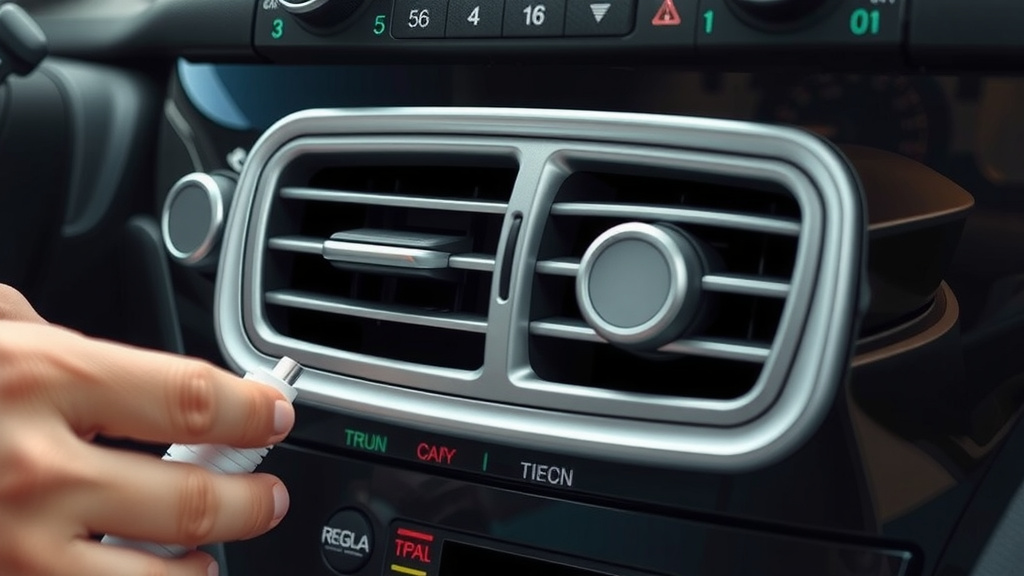
Now for the actual recharge. Ensure the engine is running and the AC is on. Shake the refrigerant can well. Connect the can’s hose to the low-pressure port you located earlier. Most cans have a trigger mechanism. Slowly pull the trigger to add refrigerant. Watch your gauge closely. You don’t want to overcharge the system. We found that short bursts are often better than continuous charging.
Don’t Overcharge Your System!
This is a common mistake with serious consequences. Overcharging can damage your compressor and other expensive parts. As you add refrigerant, keep an eye on the gauge. Once you’re in the normal operating range (around 25-45 PSI, but check your car’s specifics), stop adding. Some cans have built-in indicators for an ideal charge. When in doubt, it’s better to undercharge slightly than to overcharge. We found that many sources recommend charging until the clutch on the compressor cycles on and off.
Disconnecting the Hose and Final Check
Once you’ve reached the desired pressure, close the valve on the can or detach the hose. Run the AC for a few more minutes. Check the pressure again. Is it stable? Does the air coming out feel cold? If everything looks good, you’re done! You’ve successfully added refrigerant to your car’s AC. Remember to replace the low-pressure port cap tightly.
A Quick Checklist for Your AC Recharge
To make sure you haven’t missed anything, here’s a quick rundown:
- Confirm Refrigerant Type: Ensure you have the correct R-134a or other specified type.
- Locate Low-Pressure Port: Double-check you’re connected to the right one.
- Check Initial Pressure: Know where your system starts before adding.
- Add in Bursts: Monitor the gauge constantly and avoid overcharging.
- Verify Cold Air: Listen and feel to confirm the AC is working.
- Secure All Caps: Make sure all ports are covered when finished.
Conclusion
You’ve learned that recharging your car’s AC system with Freon is a manageable DIY task. By correctly identifying your vehicle’s refrigerant type and carefully monitoring pressure levels with a gauge, you can successfully bring back that cool air. Remember, safety first: wear your protective gear and always connect to the low-pressure port. Avoid overcharging at all costs, as this can lead to costly repairs. If you’re unsure about any step or suspect a major leak, it’s always best to consult a qualified mechanic.
Your next step is to gather your supplies and perform a thorough inspection of your AC system. Then, with confidence and care, you can tackle that AC recharge yourself and enjoy a comfortable ride all summer long.
Frequently Asked Questions
How do I know if my car AC is low on Freon?
The most common sign is warm air blowing from your vents when the AC is on. You might also notice that the AC doesn’t cool as effectively as it used to. If your AC compressor clutch clicks on and off rapidly, that can also indicate low refrigerant levels.
Can I mix different types of Freon in my car AC?
No, you should never mix refrigerant types. Using the wrong refrigerant or mixing them can severely damage your AC system’s components, particularly the compressor. Always confirm the exact type your car needs and use only that specific refrigerant.
What happens if I overcharge my car’s AC with Freon?
Overcharging your AC system is a common DIY mistake that can lead to serious problems. It puts excessive pressure on the system, which can damage your compressor, expansion valve, and other internal parts. This often results in expensive repairs.
Where can I find the low-pressure port on my car’s AC system?
The low-pressure port is typically found on the larger of the two AC lines, usually near the compressor. It often has a blue or black cap, and the fitting is slightly larger than the high-pressure port. If you’re unsure, consult your car’s owner’s manual for a diagram.
How often does a car AC system need to be recharged?
A healthy car AC system should not need frequent recharging. If you find yourself needing to add refrigerant often, it likely indicates a leak somewhere in the system. In such cases, it’s best to have a mechanic perform a leak detection and repair.