How to Clean Your Outdoor Air Conditioner Unit
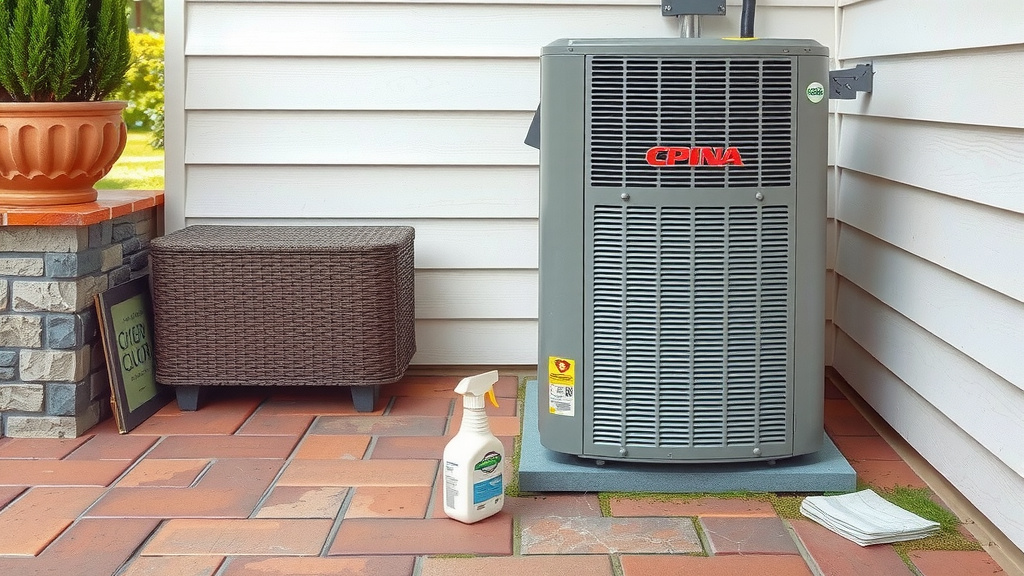
The easiest way to clean an outside air conditioner unit is with a hose and a soft brush. You’ll want to gently wash away loose debris. This simple maintenance can help your AC run more efficiently. It’s a task many homeowners can tackle themselves.
Keeping your outdoor AC unit clean prevents buildup that can hinder its performance. Dust, leaves, and grass clippings can clog the fins. This makes your air conditioner work harder, costing you more on energy bills. Regular cleaning is a smart way to protect your investment and ensure cool air all summer.
- Turn off power to the unit first.
- Remove visible debris like leaves.
- Gently rinse fins with a garden hose.
- Use a soft brush for stubborn grime.
- Let it dry completely before turning power back on.
Ready to get your outdoor unit sparkling clean? Let’s walk through the simple steps to get your air conditioner running smoothly and efficiently again.
Making Your Outdoor AC Unit Sparkle: A Simple Cleaning Guide
So, your air conditioner’s outdoor unit needs a little TLC? You’re in the right place! Keeping this outdoor box clean is surprisingly easy. It can also make a big difference in how well your AC works. Think of it like giving your AC a breath of fresh air. A clean unit runs smoother and can save you money on those energy bills. This guide will walk you through the simple steps to get it done right.
Safety First: Shutting Off the Power
Before you even think about grabbing a hose, safety is your absolute top priority. You need to make sure the power to your outdoor AC unit is completely off. This is non-negotiable. We don’t want any electrical surprises while you’re working.
Find the outdoor disconnect box. This is usually a metal box mounted on the wall near your AC unit. Open the door or cover. You’ll see a handle inside. Pull this handle out to shut off the power. Some systems might have a breaker switch inside your home’s electrical panel. If you’re unsure, it’s always best to check your home’s manual or consult a professional. Making sure the power is off protects you and prevents damage to the unit.
Clearing Out the Debris: Hands-On Work
Now that the power is off, it’s time to get your hands a little dirty. Look over the outside of your AC unit. You’ll probably see leaves, grass clippings, twigs, or other bits of nature that have made a home there. These aren’t just unsightly; they can block airflow.
Gently pull away any large debris you can reach. Don’t force anything. If something is stuck, you don’t want to bend the delicate fins. A small hand trowel or even just your fingers can help dislodge loose items. We’re aiming to remove the obvious stuff first. This makes the next steps much easier.
The Gentle Rinse: Using Your Garden Hose
Here’s where the cleaning really starts. Grab your garden hose. You’ll want to use a spray nozzle, but avoid using a high-pressure setting. A gentle stream of water is all you need.
You’ll notice rows of thin metal sheets on the sides of your unit. These are called fins. They’re super important for heat exchange. Water should be sprayed from the inside of the unit outwards. This pushes dirt and debris away from the fins, not further into them. You might have to reach into the unit a bit, or even remove a top panel if your unit allows for it. Be very careful not to bend these fins. Bent fins can restrict airflow. If you see any bent ones, a fin comb can help straighten them later.
Tackling Stubborn Grime: The Soft Brush
Sometimes, water alone isn’t enough. You might find some sticky, stubborn grime or mold clinging to the fins or the exterior. For this, a soft-bristled brush is your best friend.
You can use a soft scrub brush or even an old toothbrush. Dip it in a bucket of water mixed with a little mild dish soap or a specialized AC coil cleaner. Gently scrub the affected areas. Again, be very careful not to damage the fins. Work in small sections. After scrubbing, rinse thoroughly with your garden hose. You want to make sure all the soap residue is gone. Leaving soap behind can attract more dirt.
Choosing the Right Cleaning Solution
For most general cleaning, plain water is usually sufficient. However, if you’re dealing with tougher buildup like algae or mold, a mild cleaning solution can help. Many experts recommend a solution of one part white vinegar to one part water. You can also find commercial AC coil cleaners at your local hardware store. Always follow the product instructions carefully. Some cleaners require rinsing, while others can be left on.
Don’t Forget the Top!
While you’re at it, give the top of your AC unit some attention. Debris often collects here too. You can use your brush or a damp cloth to wipe down the top surface. If there’s a fan grill on top, make sure to clear any leaves or dirt that might have gotten stuck there.
The Drying Process: Patience is Key
After you’ve finished rinsing, let your AC unit dry completely. This is another important step for safety and efficiency. Water left sitting in the unit can cause rust or electrical issues.
You can let it air dry naturally. This might take a few hours, depending on the weather. Some people like to use a leaf blower on a low setting to speed up the drying process. Just be sure to use a very gentle setting. We don’t want to blast water into places it shouldn’t go. Make sure all visible moisture is gone before you move on.
Wrapping Up: Powering Back On
Once you’re absolutely certain the unit is dry, you can restore power. Go back to the disconnect box and reinsert the handle. If you used a breaker switch inside your home, flip it back on.
Now, go inside and turn on your thermostat. Listen to your AC unit. It should start up smoothly. You might even notice it running a bit quieter or more efficiently than before. Give yourself a pat on the back! You’ve successfully maintained your air conditioner.
Quick Checklist for Your AC Cleaning Mission
- Safety First: Always turn off power at the disconnect box.
- Debris Removal: Gently remove leaves and twigs.
- Gentle Rinse: Use a hose with a soft spray, rinsing from inside out.
- Stubborn Spots: Use a soft brush with mild soap if needed.
- Thorough Drying: Let the unit air dry completely.
- Power Up: Restore power only when dry.
How Often Should You Clean Your Outdoor Unit?
A good rule of thumb is to clean your outdoor AC unit at least once a year. Many HVAC professionals recommend doing it in the spring, before the heavy cooling season begins. If you live in an area with a lot of trees, dust, or pollen, you might consider cleaning it twice a year. Some research suggests that regular maintenance, including cleaning, can extend the lifespan of your AC unit by up to 20% (National Air Duct Cleaners Association).
When to Call a Professional
While cleaning the exterior of your AC unit is a manageable DIY task, there are times when you should call in the pros. If you’re uncomfortable with any of these steps, especially dealing with the electrical components, don’t hesitate to get expert help.
Also, if you notice any strange noises, leaks, or if your AC isn’t cooling properly after cleaning, it’s time for a professional inspection. They have specialized tools and knowledge to diagnose and fix more complex issues. Think of DIY cleaning as a great tune-up, but sometimes your AC needs a full check-up from a mechanic.
Conclusion
You’ve successfully learned how to clean your outdoor AC unit! Remember, this simple maintenance task is key to keeping your system running efficiently. By clearing away debris and gently rinsing the fins, you help your air conditioner perform its best. This protects your investment and ensures you enjoy cool, comfortable air all season long. Don’t wait for a problem to arise. Schedule your AC unit cleaning for next spring, or tackle it now if you’re ready. Your AC will thank you for it!
Frequently Asked Questions
Can I use a pressure washer on my AC unit?
It’s best to avoid using a high-pressure washer on your outdoor AC unit. The strong spray can easily bend the delicate fins, which are essential for airflow. A gentle stream from a garden hose is usually sufficient and much safer for your unit.
What is the best cleaner to use on AC fins?
For most general cleaning, plain water is perfectly fine. If you encounter tougher grime or algae, a mild solution of one part white vinegar to one part water works well. You can also find specialized AC coil cleaners at hardware stores; just be sure to follow their specific instructions.
How do I know if my AC unit is completely dry?
You’ll want to ensure there’s no visible moisture on or within the unit. Feel around the fins and inside any accessible areas. Letting it air dry for a few hours on a sunny day is often enough. If you’re in a hurry, a leaf blower on a very low setting can help speed up the process.
What if I accidentally bend an AC fin?
Don’t worry too much if a few fins get slightly bent; it happens. You can often straighten them gently using a fin comb, which you can purchase at most hardware stores. Be patient and work carefully to avoid further damage.
Should I clean my AC unit even if it’s working fine?
Yes! Regular cleaning is preventative maintenance. An AC unit that appears to be working fine might be struggling internally due to clogged fins. Cleaning helps it run more efficiently, potentially saving you money on energy bills and preventing costly repairs down the line.
![7 Best Portable Cooling Air Conditioner [2026]](https://bathroomexplorer.com/wp-content/uploads/2026/06/7-best-portable-cooling-air-conditioner-2026-featured-768x432.jpg)
![7 Best Quiet 12000 Btu Window Air Conditioner [2026]](https://bathroomexplorer.com/wp-content/uploads/2026/06/7-best-quiet-12000-btu-window-air-conditioner-2026-featured-768x432.jpg)
![7 Best Cheap Mini Air Conditioner [2026]](https://bathroomexplorer.com/wp-content/uploads/2026/06/7-best-cheap-mini-air-conditioner-2026-featured-768x432.jpg)
![7 Best Cheap Air Conditioner For Bedroom [2026]](https://bathroomexplorer.com/wp-content/uploads/2026/06/7-best-cheap-air-conditioner-for-bedroom-2026-featured-768x432.jpg)