

How to Clean Your AC Condenser for Peak Performance
The easiest way to clean your air conditioner condenser is to first **turn off the power** to the unit. Then, use a hose to spray the coils from the inside out, removing **dirt and debris**. This simple maintenance can improve your AC’s **efficiency and lifespan**.
Your air conditioner’s outdoor unit, the condenser, works hard all summer. Keeping its coils clean is key to **efficient cooling**. Neglecting this can lead to your AC working harder and costing you more on **energy bills**. Many homeowners overlook this vital step.
- Turn off power to the unit.
- Gently spray coils with a hose.
- Remove visible debris like leaves.
- Consider using a coil cleaner for tougher grime.
- Ensure fins are not bent.
Ready to get your AC running smoothly again? Let’s walk through exactly how to clean your air conditioner condenser step by step.
Your air conditioner’s outdoor unit, known as the condenser, is a workhorse. It’s responsible for releasing the heat absorbed from inside your home. Over time, this unit can get pretty grimy. Dirt, leaves, and other debris can clog its coils. This makes it harder for your AC to do its job. Cleaning it is a surprisingly simple task that can save you money and hassle. Let’s get your condenser looking and working its best.
Caring for Your AC’s Outdoor Unit
Regularly cleaning your air conditioner’s condenser unit is one of the most effective ways to ensure it runs efficiently. This simple maintenance helps prevent costly repairs down the road. It’s like giving your AC a breath of fresh air! You’ll notice better cooling and potentially lower energy bills. Many homeowners forget this step, but it’s quite important.
When and How Often Should You Clean Your Condenser?
Most experts suggest cleaning your AC condenser at least **once a year**. The best time to do this is in the **spring**, before the heavy cooling season begins. This gives you a clean slate for the months ahead. If you live in a particularly dusty area or near lots of trees, you might consider a second cleaning in the **fall**. You’ll want to check it after major dust storms too. Pay attention to what you see around the unit.
Safety First: Turning Off the Power
Before you even think about touching your condenser, safety is your number one priority. You absolutely **must turn off the power** to the unit. This prevents any accidental starts while you’re working. You’ll find a breaker switch for your AC, usually in your home’s main electrical panel. Flip that switch. It’s also a good idea to locate the disconnect box near the condenser unit itself. Pull the lever or unscrew the cap on that box. This provides an extra layer of protection. Research consistently shows that cutting power is the **most critical first step** in any AC maintenance (Energy Star). Make sure your family knows the AC is off too. No one wants a surprise shock!
Gathering Your Cleaning Supplies
You don’t need a whole toolbox for this job. Most of what you need is probably already in your garage or shed. Here’s a quick list:
- A garden hose with a spray nozzle
- A soft brush or broom
- Coil cleaner (optional, for stubborn grime)
- Screwdriver or nut driver (if you need to remove a protective grate)
- Gloves
- Safety glasses
Having these items ready will make the cleaning process smooth and efficient. You want to be prepared for whatever you find on those coils.
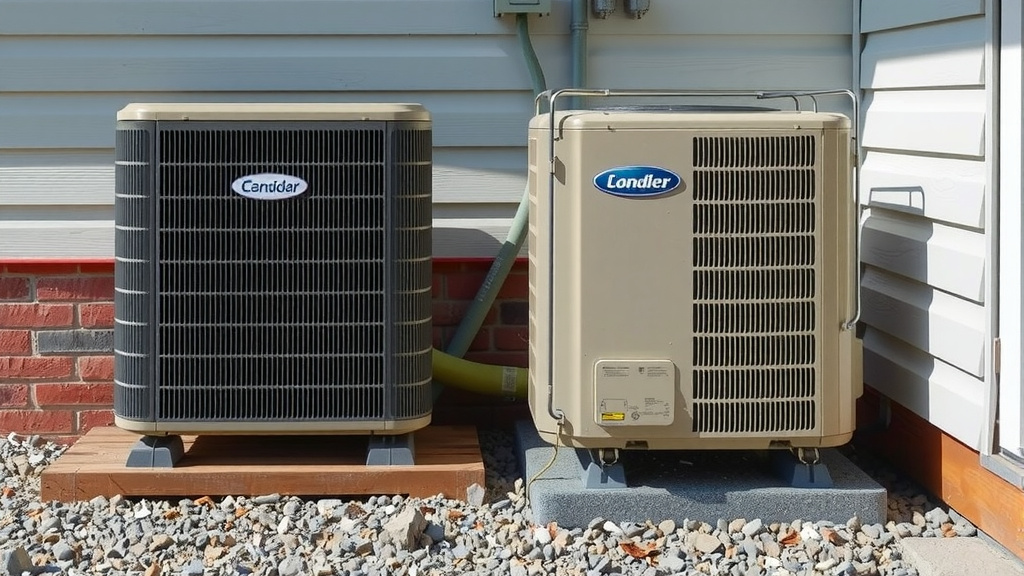
Step-by-Step Guide to Cleaning Your Condenser Coils
Now that the power is off and you have your supplies, let’s get to the cleaning. This is where you’ll see the biggest difference.
Step 1: Remove Visible Debris
Open the top or side panel of your condenser unit. You might need a screwdriver for this. Gently remove any large debris you see. Think leaves, twigs, grass clippings, or even a stray plastic bag. A soft brush or broom works well for this. Be careful not to force anything. You don’t want to damage the delicate fins inside. This initial cleanup makes the spraying step much more effective.
Step 2: Spray the Condenser Coils
This is the main event! Use your garden hose to spray the condenser coils. The goal is to **wash away dirt and grime**. For best results, spray from the inside of the unit outwards. If you can’t easily access the inside, spray from the outside in. Use a medium pressure spray. Avoid using a high-pressure washer. That can bend the fins. You want to dislodge the dirt, not blast it further into the coils. Think of it like rinsing mud off a car. Gentle but firm does the trick.
Step 3: Using Coil Cleaner (If Needed)
Sometimes, water alone isn’t enough. If your coils are really caked with dirt or greasy residue, you might need a special coil cleaner. These cleaners are readily available at hardware stores. They come in spray cans and are designed to break down tough grime. Follow the **product’s instructions carefully**. Most require you to spray them on, let them sit for a few minutes, and then rinse thoroughly. Make sure the cleaner is safe for AC coils. Rinsing is very important to remove all traces of the cleaner.
Step 4: Inspect and Straighten Fins
While you’re there, take a moment to check the fins on the coils. These are the thin, wavy metal pieces. They are very delicate. If you notice any bent fins, you can gently straighten them. A fin comb is a specialized tool for this. You can also carefully use a butter knife or a small, flat screwdriver. Be extremely gentle. Bent fins restrict airflow, making your AC work harder. Many HVAC professionals recommend checking fins during cleaning (HVAC School). Straightening them improves efficiency.
Step 5: Reassemble and Restore Power
Once you’re satisfied with the cleanliness of your coils and fins, reassemble the unit. Put any panels or grates back in place. Double-check that everything is secure. Now, you can turn the power back on. Go back to your electrical panel and flip the AC breaker on. Then, turn on the disconnect box near the unit. Your condenser should be ready to go!
A Quick Checklist for Your Condenser Cleaning
Want a simple reminder of the key steps? Here’s a handy checklist:
- Power Off: Always shut off power at the breaker and disconnect box.
- Clear Debris: Remove leaves, twigs, and other obstructions.
- Hose Down: Spray coils from inside out with moderate water pressure.
- Use Cleaner (Optional): Apply coil cleaner for tough grime, then rinse well.
- Check Fins: Gently straighten any bent metal fins.
- Restore Power: Turn power back on after reassembly.
Signs Your Condenser Needs Cleaning
How do you know if your condenser is crying out for a clean? Look for these signs. Your AC might be running **longer than usual** to cool your home. You could notice an **increase in your energy bills**. Sometimes, you might even see visible dirt or debris buildup on the unit. If your home isn’t cooling effectively, a dirty condenser is a likely culprit. It’s working harder than it should be.
Conclusion
You’ve learned how simple it is to clean your air conditioner’s condenser. This task helps your AC run more efficiently all season long. By turning off the power, clearing debris, and gently spraying the coils, you’re giving your unit a much-needed refresh. You’ve also seen how to spot bent fins and know when to use a coil cleaner. Take a moment this week to perform this maintenance. Your wallet and your comfort will thank you for it!
Frequently Asked Questions
How long does it take to clean an AC condenser?
Cleaning your AC condenser typically takes between 30 minutes to an hour. This timeframe includes gathering your supplies, turning off the power, performing the cleaning steps, and reassembling the unit. It’s a quick task that yields significant benefits for your AC’s performance.
Can I use a pressure washer to clean my condenser coils?
It’s generally not recommended to use a high-pressure washer. The force can easily bend or damage the delicate fins of the condenser coils. A regular garden hose with moderate spray is sufficient to remove dirt and debris without causing harm.
What if I can’t easily access the inside of my condenser unit?
If you can’t get to the inside to spray outwards, don’t worry. You can still effectively clean the coils by spraying from the outside inwards. Focus on covering all areas of the coils with a steady stream of water to dislodge accumulated grime.
Is it okay to leave bent fins on my condenser?
While you can technically leave bent fins, it’s not ideal for your AC’s efficiency. Bent fins restrict airflow, forcing your air conditioner to work harder to cool your home. Gently straightening them, as outlined in the guide, can improve performance and reduce energy consumption.
How do I know if coil cleaner is necessary?
Coil cleaner is typically only necessary if you notice stubborn, greasy buildup or grime that water alone won’t remove. If your coils look heavily soiled or sticky after a standard rinse, a specialized coil cleaner can help break down the tougher residue. Always rinse thoroughly after using any cleaner.

![7 Best Rv Roof Top Air Conditioner [2026]](https://bathroomexplorer.com/wp-content/uploads/2026/06/7-best-rv-roof-top-air-conditioner-2026-featured-768x432.jpg)
![7 Best Cold Air Conditioner [2026]](https://bathroomexplorer.com/wp-content/uploads/2026/06/7-best-cold-air-conditioner-2026-featured-768x432.jpg)
![7 Best Portable No Hose Air Conditioner [2026]](https://bathroomexplorer.com/wp-content/uploads/2026/06/7-best-portable-no-hose-air-conditioner-2026-featured-768x432.jpg)
![7 Best Motorhome Air Conditioner [2026]](https://bathroomexplorer.com/wp-content/uploads/2026/06/7-best-motorhome-air-conditioner-2026-featured-768x432.jpg)