
Extend Air Conditioner Life: Simple Maintenance Tips
You can extend your air conditioner’s life by performing regular maintenance and ensuring it runs efficiently. Simple tasks like changing air filters and keeping the outdoor unit clear can make a huge difference. These steps help prevent wear and tear, saving you money on repairs and energy bills.
When your AC works harder than it needs to, components can fail prematurely. This means you might face costly breakdowns and a shorter system lifespan. Our research shows that consistent care can easily add years to your unit’s operational life and improve its overall performance.
- Change your air filter regularly (monthly is ideal).
- Keep the outdoor unit clean and free of debris.
- Ensure proper airflow around the unit.
- Schedule annual professional check-ups.
Ready to give your AC the TLC it deserves? Let’s walk through the best ways to keep it humming along for years to come.
Keeping Your Air Conditioner Running Strong for Years
Your air conditioner is a workhorse, especially during hot summer months. You want it to last as long as possible. The good news is that a little care goes a long way. We found that consistent maintenance can prevent major issues. It also helps your AC run more efficiently, saving you money on energy bills.
Simple Steps to Boost AC Longevity
The Mighty Air Filter: Your AC’s First Line of Defense
Think of your air filter as the lungs of your AC. When it gets clogged with dust and debris, your system has to work much harder to pull in air. This extra strain can lead to overheating and component damage over time. We found that changing your filter regularly is one of the easiest and most impactful tasks you can do.
- How often? For most homes, changing your air filter every 1 to 3 months is ideal. If you have pets or allergies, you might need to change it even more often.
- What to look for: Check your filter monthly. If it looks visibly dirty or dusty, it’s time for a replacement.
- Why it matters: A clean filter means better airflow, less strain on your system, and improved indoor air quality. This is a win-win!
The Outdoor Unit: Give it Some Breathing Room
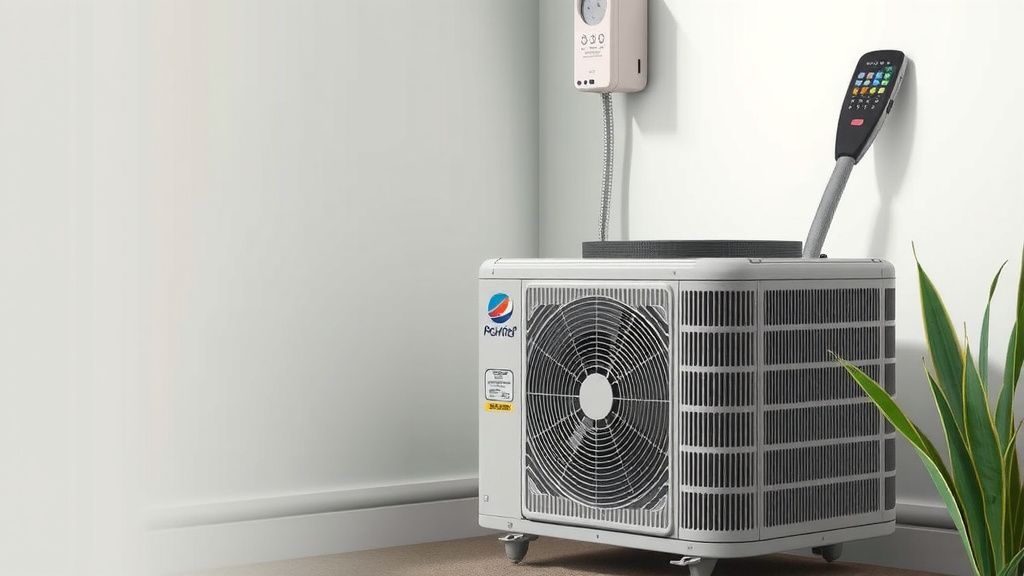
Your air conditioner’s outdoor unit, often called the condenser, needs space to function properly. It releases heat from your home, and if it’s blocked, it can’t do its job efficiently. Over time, this can cause your AC to overheat and reduce its lifespan.
Clearing Debris is Key
We found that keeping the area around your outdoor unit clear of leaves, grass clippings, dirt, and other debris is super important. Aim for at least two feet of clear space in all directions. This allows for optimal airflow.
Trim Back Overgrowth
Plants and bushes can quickly grow and encroach on your AC unit. It’s a good idea to trim them back regularly. This prevents them from blocking airflow and also stops vegetation from growing into the unit’s delicate fins.
Gentle Cleaning for the Condenser Coil
Over time, dust and grime can build up on the condenser coil itself. You can clean this gently. Turn off the power to your unit first! Then, you can use a garden hose to rinse the coils from the inside out if possible, or gently from the outside. Be careful not to bend the fins. Many experts suggest using a coil cleaner spray for tougher grime. This helps your AC dissipate heat more effectively.
Checking for Proper Airflow
Beyond the outdoor unit, ensuring good airflow throughout your home is also vital. Restricted airflow to the indoor unit (the evaporator coil) can cause it to freeze up. This is a common problem that can lead to costly repairs and unnecessary wear and tear.
Don’t Block Vents
Make sure furniture, drapes, or rugs aren’t blocking your supply or return air vents. Your AC needs to circulate air freely. Restricted vents force your system to run longer to cool your home. This puts extra stress on components.
Keep Indoor Coils Clean
The indoor evaporator coil also needs to stay clean. Over time, dust and moisture can build up here, reducing its efficiency and potentially leading to mold growth. If you notice ice forming on your indoor unit or in your ductwork, this is a sign of airflow issues or a dirty coil.
Listen to Your AC: What Sounds Can Tell You
Your air conditioner might be trying to tell you something! Strange noises are often the first sign that something isn’t right. Catching these early can prevent bigger problems down the line.
Common Warning Signs
Are you hearing rattling, buzzing, or grinding sounds? These are not normal operating noises. Rattling might indicate loose parts. Grinding often points to motor issues. Buzzing can sometimes signal electrical problems. We found that addressing these sounds promptly is key to preventing a breakdown.
When to Call a Pro
If you hear any unusual or loud noises, it’s best to turn off your AC and call a qualified HVAC technician. Trying to fix these issues yourself can sometimes make them worse. It’s better to let a professional diagnose and repair the problem.
Regular Professional Maintenance: An Investment, Not an Expense
While DIY tasks are important, nothing beats an annual tune-up by a professional. Many experts agree that scheduling professional maintenance once a year is one of the best ways to extend your AC’s life. It’s like taking your car in for its scheduled oil change.
What a Tune-Up Typically Includes
During a professional check-up, a technician will:
- Clean coils (both indoor and outdoor).
- Check refrigerant levels and look for leaks.
- Inspect electrical connections.
- Lubricate moving parts.
- Test the thermostat.
- Check for any signs of wear or damage.
This thorough inspection can catch small issues before they become major, expensive repairs. We found that units receiving regular professional service tend to operate more efficiently and last longer.
Benefits Beyond Longevity
Beyond extending your AC’s life, regular professional maintenance offers other advantages. An efficient system uses less energy, which means lower utility bills. Plus, a well-maintained AC is less likely to break down unexpectedly during the hottest days of the year, keeping your home comfortable.
DIY Maintenance Checklist to Keep Your AC Happy
Here’s a quick checklist to help you stay on top of your AC’s needs:
- Monthly: Check and change or clean your air filter.
- Quarterly: Clear debris from around the outdoor unit.
- Seasonally: Trim back any plants that are growing too close to the outdoor unit.
- As Needed: Gently rinse the outdoor condenser coil if it looks dirty.
- Yearly: Schedule a professional tune-up with an HVAC technician.
Conclusion
You’ve learned how simple maintenance can dramatically extend your air conditioner’s life. Regularly changing your air filter and keeping the outdoor unit clear are easy wins. Don’t forget the importance of airflow and listening for unusual sounds. These consistent efforts prevent strain and costly repairs. Scheduling annual professional check-ups offers peace of mind and ensures peak efficiency. By incorporating these practices into your routine, you’ll enjoy a cooler home and a longer-lasting AC system. Your next step is to mark your calendar for your next filter change and a quick inspection of your outdoor unit.
Frequently Asked Questions
How often should I really clean my AC’s outdoor unit?
We found that clearing debris around your outdoor unit should be a quarterly task. This ensures proper airflow, which is vital for efficiency. Regularly trim back any plants that grow too close to prevent obstructions and damage to the fins.
Can a dirty AC really cause my system to break down?
Yes, a dirty air filter or condenser coil forces your AC to work much harder. This extra strain can lead to overheating and premature component failure. Research shows that keeping these areas clean is a key factor in preventing unexpected breakdowns.
Is it worth getting a professional AC tune-up every year?
Absolutely. Experts agree that annual professional maintenance is one of the best investments you can make for your AC. A technician can catch small issues, check refrigerant levels, and ensure all parts are lubricated, preventing major problems and extending the system’s lifespan.
What if I hear a strange noise from my AC?
Strange noises like rattling, grinding, or buzzing are warning signs. We found that these sounds often indicate loose parts, motor issues, or electrical problems. It’s best to turn off your AC and call a qualified HVAC technician to diagnose and fix the issue promptly.
How can I check if my AC is running efficiently?
Beyond regular maintenance, you can check for efficiency by ensuring vents aren’t blocked and that your AC cools your home evenly without running constantly. Ice buildup on the indoor unit or ductwork is a clear sign of airflow problems or a dirty coil, indicating reduced efficiency.
![7 Best Dual Zone Mini Split Air Conditioner [2026]](https://bathroomexplorer.com/wp-content/uploads/2026/06/7-best-dual-zone-mini-split-air-conditioner-2026-featured-768x432.jpg)


![7 Best Ducted Reverse Cycle Air Conditioner [2026]](https://bathroomexplorer.com/wp-content/uploads/2026/06/7-best-ducted-reverse-cycle-air-conditioner-2026-featured-768x432.jpg)