

Fix AC Refrigerant Leaks: A Step-by-Step Guide
Yes, you can often fix a small refrigerant leak in your air conditioner yourself. The key is to first find the leak and then use a specialized sealant product. Many DIY sealants are designed to stop minor leaks in their tracks. You might be able to save money on professional repair.
Refrigerant leaks can really impact your AC’s efficiency. They cause your system to work harder. This can lead to higher energy bills. It’s important to address leaks promptly. Don’t wait until your AC stops cooling altogether. We found that early detection is usually the best approach.
- Locate the source of the leak.
- Use a specialized AC leak sealant.
- Check for proper system operation afterward.
- Know when to call a professional.
Below, we’ll walk you through the steps to identify and tackle that pesky refrigerant leak. We want to help you get your cool air back as soon as possible.
“`htmlTackling Refrigerant Leaks in Your Air Conditioner
A refrigerant leak means your AC is losing its cooling power. It’s like a slow leak in a tire; the system has to work harder. This wastes energy and can lead to bigger problems. But don’t panic! For many homeowners, fixing a minor leak is a doable DIY project. You can often get your AC back to its cooling best without calling a pro.
Locating the Source of the Leak
Finding the leak is the first, and often the trickiest, part. Think of it like a detective mission for your AC. Where the refrigerant is escaping will determine how you fix it. Leaks usually happen in the copper tubing connecting your indoor and outdoor units. The refrigerant itself is a chemical that can be harmful. So, wearing gloves and eye protection is a smart safety measure.
Visual Inspection: The First Line of Defense
Start by looking for obvious signs. These include oily residue on the refrigerant lines. Refrigerant oil often leaks out with the refrigerant. Check both the indoor coil (evaporator) and the outdoor coil (condenser). Look at the connections, joints, and bends in the copper tubing. If you see any dirt or debris stuck to the lines, it could be a sign of a slow leak. The oil attracts dust.
Using a Leak Detector Tool
For less visible leaks, a dedicated leak detector is your best friend. There are a few types available. Electronic leak detectors are the most sensitive. You wave them slowly along the refrigerant lines. They beep or light up when they sense refrigerant. We found these to be the most reliable for pinpointing small leaks.
Another common method uses UV dye. You add a special dye to your AC’s refrigerant system. Then, you run the AC for a while. The dye will escape with the refrigerant at the leak point. Using a UV light in a dark room will make the dye glow brightly. This makes the leak easy to spot. Many DIY kits include both the dye and the UV light.
What About Soapy Water?
For very obvious, larger leaks, a simple soapy water solution can work. Mix a good amount of dish soap with water in a spray bottle. Spray it generously on suspected areas, especially around fittings and joints. If you see bubbles forming, you’ve found your leak! This method is less effective for tiny leaks that don’t produce visible bubbles.
Choosing the Right Refrigerant Leak Sealant
Once you’ve found the leak, it’s time for a repair. For DIY fixes, specialized sealants are the way to go. These products are designed to permanently seal small holes and cracks. They work by reacting with air and moisture to form a solid patch. Many experts recommend these for minor leaks because they are generally safe for AC systems.
Understanding Different Sealant Types
There are a couple of main types of sealants you might encounter. Some are liquid-based, which you inject directly into the system. Others come in a can, similar to how refrigerant is added.
We found that many sealants are designed for specific refrigerant types, like R-410A or R-22. It’s critical to use a sealant compatible with your AC’s refrigerant. Using the wrong type could damage your system.
How to Use Refrigerant Sealant
Always follow the product’s instructions carefully. Most sealants involve connecting a hose to your AC’s low-pressure service port. Then, you inject the sealant into the system. Some sealants require you to recharge the system with refrigerant afterward. This is where things can get a bit more complicated.
If you’re not comfortable with handling refrigerants, this might be a good point to call a professional. Improper handling of refrigerant can be dangerous. It also requires specific tools and knowledge. For instance, the EPA mandates proper handling of refrigerants (Environmental Protection Agency).
Recharging Your AC System (If Necessary)
Some leak sealants require you to add refrigerant after the sealant is in place. This is a critical step. If your AC is low on refrigerant, the sealant might not work properly. It also won’t cool your home effectively.
When to Recharge
You’ll typically need to recharge if your AC system is blowing warm air. A professional can tell you the exact amount of refrigerant needed. You can buy DIY recharge kits at most hardware stores. These kits usually come with a gauge to help you monitor the pressure.
Safety First When Handling Refrigerant
Handling refrigerant requires care. Always wear safety glasses and gloves. Refrigerant can cause frostbite if it comes into contact with your skin. Ensure you are using the correct type of refrigerant for your unit. For example, R-410A is common in newer systems. Older systems might use R-22, which is being phased out. A label on your AC unit will usually tell you the refrigerant type.
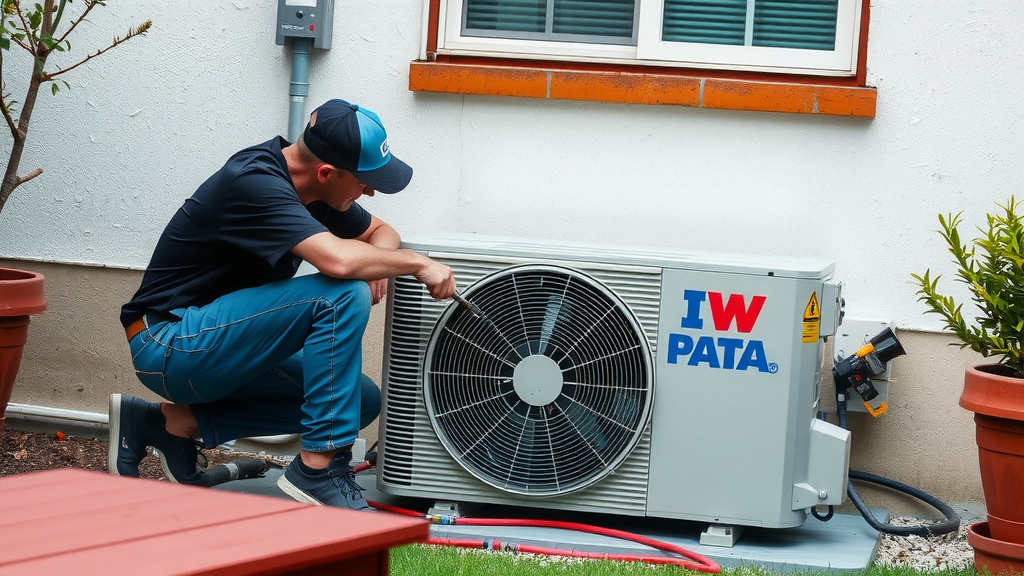
Testing Your AC After the Repair
After applying the sealant and recharging if needed, give your AC a test run. Turn it on and let it run for at least 15-20 minutes. Listen for any unusual noises. Feel the air coming from the vents. It should be cool and strong.
Keep an eye on your energy bills over the next few weeks. If they start to decrease, that’s a good sign the leak was fixed and your AC is running more efficiently. Also, check the suspected leak area periodically for any new signs of oil residue or moisture.
When It’s Time to Call the Professionals
While DIY fixes can save you money, they aren’t always the answer. If you’ve tried to find the leak and couldn’t, it’s time to call an HVAC technician. If the leak is large or in a difficult-to-reach spot, a pro is needed. They have specialized equipment and expertise.
Also, if your AC system is older, it might be more prone to multiple leaks. Sometimes, the cost of repeated repairs outweighs the investment in a new, more efficient unit. Experts at government energy sites often advise considering replacement for very old or inefficient systems.
Signs You Need Expert Help
- You can’t find the leak after several attempts.
- The leak is in a hard-to-access area, like inside a wall.
- Your AC is blowing very warm air or not cooling at all.
- You are uncomfortable handling refrigerant or sealants.
- The leak is large and producing a visible spray.
Conclusion
You’ve learned that tackling a refrigerant leak yourself is often possible for minor issues. Finding the leak with visual checks or a detector tool is your first step. Then, a compatible DIY sealant can permanently fix small holes. Remember to follow product instructions closely, especially if recharging refrigerant.
If you can’t find the leak, it’s in a tricky spot, or you’re uncomfortable with refrigerant handling, don’t hesitate to call a professional. Taking these steps can restore your AC’s efficiency and keep your home cool. Now, go ahead and try to find that leak!
Frequently Asked Questions
Can I just add more refrigerant if I have a leak?
No, adding refrigerant without fixing the leak is not a good solution. The refrigerant will just escape again, meaning you’ll constantly need to top it up. This is inefficient and can be costly. It’s always best to find and seal the leak first.
Will a sealant work on a large refrigerant leak?
DIY sealants are generally designed for small to minor leaks. If you have a large leak, you might see a visible spray or have a significant loss of cooling power. For larger leaks, professional repair with specialized tools is usually required.
How long does a DIY refrigerant leak sealant typically last?
When used correctly on a suitable small leak, many DIY sealants are designed for permanent repairs. They react with air and moisture to create a solid seal. However, results can vary depending on the product and the severity of the leak. Regular checks are still a good idea.
What happens if I use the wrong type of sealant or refrigerant?
Using the wrong type of sealant or refrigerant can damage your AC system. Refrigerant types are specific to different units, and sealants must be compatible with both the refrigerant and your AC’s components. Always check your unit’s label and the product packaging.
Is it safe to try and fix a refrigerant leak if I’ve never done it before?
For minor leaks, following instructions carefully makes it a safe DIY task. However, if you’re uncomfortable handling refrigerant or using the sealant tools, it’s best to call a professional. Safety should always be your top priority when working with AC systems.



![7 Best Slimline Air Conditioner [2026]](https://bathroomexplorer.com/wp-content/uploads/2026/06/7-best-slimline-air-conditioner-2026-featured-768x432.jpg)
![7 Best Energy Efficient Wall Air Conditioner [2026]](https://bathroomexplorer.com/wp-content/uploads/2026/06/7-best-energy-efficient-wall-air-conditioner-2026-featured-768x432.jpg)