
Central Air Conditioner Maintenance Tips for Optimal Cooling
Maintaining your central air conditioner is key to keeping your home cool and your energy bills low. The simplest way to maintain your AC is by regularly cleaning or replacing your air filter. This prevents dust buildup, improving your system’s efficiency and air quality. You should also keep the outdoor unit clear of debris.
Proper maintenance not only keeps your AC running smoothly but can also prevent costly breakdowns. Many experts agree that a little preventative care can go a long way. It helps your system perform at its best, especially during those hot summer months. Think of it as a health check-up for your home’s comfort!
- Clean or replace air filters monthly.
- Keep the outdoor unit free from leaves and dirt.
- Schedule annual professional check-ups.
- Ensure vents and registers are not blocked.
Ready to give your AC the TLC it deserves? Let’s walk through the easy steps you can take to keep your central air conditioner in tip-top shape.
Keeping Your Central Air Running Smoothly
Your central air conditioner works hard to keep you comfortable all year long. Just like your car needs regular tune-ups, your AC needs some attention to perform its best. You can actually do a lot of the important maintenance yourself. Let’s dive into how you can keep your system humming along efficiently!
DIY AC Maintenance You Can Do Today
There are several easy tasks you can tackle without needing a professional. These simple steps can make a big difference in your AC’s performance and your energy bills.
The Air Filter: Your AC’s Lungs
You’ve likely heard this one before, but it’s the most critical step. Your air filter traps dust, dirt, and other airborne particles before they enter your system. A clogged filter is like trying to breathe through a dirty rag.
Why It Matters So Much
When your filter is full, your AC has to work much harder to pull air through it. This extra strain uses more energy, leading to higher electricity bills. Research shows that a dirty filter can reduce an AC unit’s efficiency by up to 15% (Energy.gov). It also means less cool air circulating in your home.
How Often to Change It
Most experts recommend checking and **changing your air filter every 30 days**. However, this can vary. If you have pets, live in a dusty area, or have allergies, you might need to change it more often. A good rule of thumb is to look at it monthly. If it looks visibly dirty, it’s time for a fresh one.
What Kind of Filter Should You Use?
You’ll find many options at the store. Look for filters with a MERV (Minimum Efficiency Reporting Value) rating. A MERV rating between 8 and 13 is usually a good balance for most homes. It captures plenty of particles without being so dense that it restricts airflow.
Keeping the Outdoor Unit Clean and Clear
Your outdoor AC unit, also called the condenser unit, needs some breathing room too. It’s out there battling the elements, so it needs a little help.
Clear Away Debris
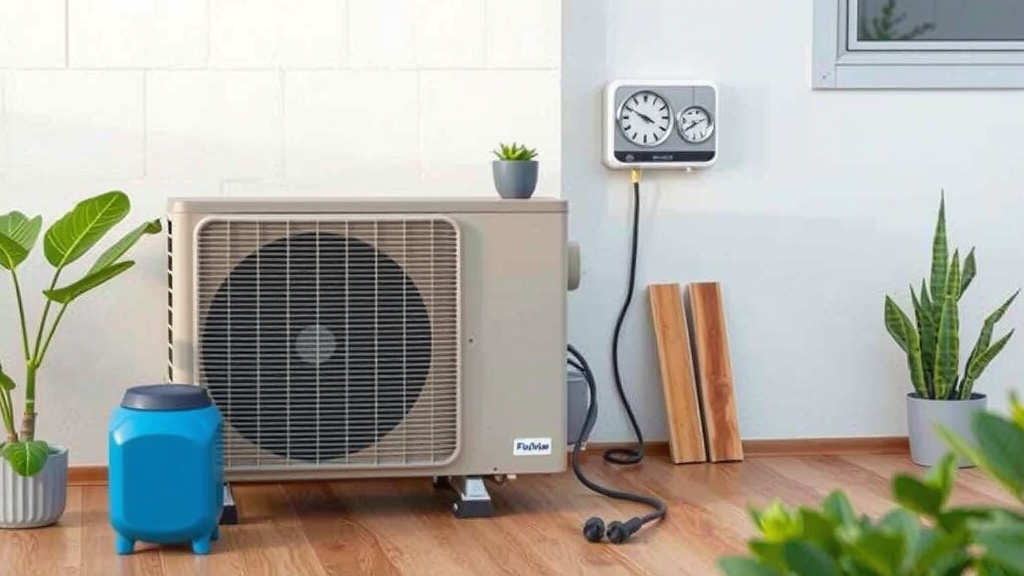
Over time, leaves, grass clippings, and other yard debris can pile up around your outdoor unit. This buildup blocks airflow, making your AC work harder. Gently clear away any obstructions from around the unit. Aim for at least two feet of clear space in all directions.
Check the Fins
The sides of your outdoor unit have thin metal fins. These fins help release heat. If they get bent or dirty, they can’t do their job efficiently. You can often gently straighten bent fins with a fin comb, which you can find at hardware stores. For light dust, you can rinse them with a garden hose on a low setting. Make sure the power to the unit is off before doing this!
Don’t Forget the Inside: Vents and Registers
Your AC’s cool air travels through ducts to vents and registers throughout your house. You need to make sure these aren’t blocked.
Check for Obstructions
Furniture, rugs, or curtains can easily block your vents. When air can’t escape freely, it creates back pressure in your ductwork. This reduces the amount of cool air reaching your rooms. Walk around your home and ensure all vents are clear and open.
Listen for Unusual Sounds
While checking your vents, take a moment to listen. Are all the vents blowing air? Do you hear any strange noises coming from the vents or the main return air grille? Unusual sounds can be an early warning sign of a problem.
When to Call in the Pros: Annual Check-ups
While DIY maintenance is great, your central air conditioner also benefits from professional attention. An annual service visit can catch small issues before they become big, expensive problems.
What a Professional Tune-Up Includes
During a tune-up, a technician will perform a thorough inspection. They check refrigerant levels, electrical connections, and thermostat settings. They’ll also clean internal components that you can’t easily reach. Many HVAC professionals recommend this service before the start of the cooling season.
The Benefits of Professional Maintenance
Experts say that regular professional maintenance can **extend the lifespan of your AC unit** and improve its energy efficiency. It’s like a yearly physical for your AC, ensuring everything is in good working order. It can also help maintain your warranty if your unit is still under one.
Troubleshooting Common AC Issues You Might See
Even with good maintenance, you might encounter minor issues. Here are a couple of things to check before calling a technician.
My AC Isn’t Cooling Enough
This is a common complaint. First, check your thermostat setting. Is it set to “Cool” and the temperature set lower than the current room temperature? Then, inspect your air filter. A dirty filter is often the culprit. If those are fine, check if the outdoor unit is running and if the vents are blocked.
The Unit Keeps Cycling On and Off
This could indicate a few things. It might be a dirty air filter causing the system to overheat. It could also be a thermostat issue or a problem with the refrigerant levels. If your filter is clean and the problem persists, it’s time to call a pro.
AC Maintenance Checklist for Peace of Mind
Here’s a quick rundown to keep your AC happy:
- Monthly: Inspect and clean or replace your air filter.
- Seasonally: Clear debris from around your outdoor unit.
- Annually: Schedule a professional tune-up before summer.
- Regularly: Ensure all indoor vents and registers are unobstructed.
- Listen: Pay attention to any unusual noises your AC makes.
- Observe: Notice if your AC is taking longer to cool or running more often.
Conclusion
You’ve learned that keeping your central air conditioner in great shape doesn’t have to be complicated. Simple tasks like cleaning your air filter and clearing debris from your outdoor unit make a big difference. These DIY steps, combined with an annual professional tune-up, ensure your AC runs efficiently all summer. You’ll save money on energy bills and avoid unexpected repair calls. Take action today by checking your air filter. Your AC will thank you with cool, consistent comfort.
Frequently Asked Questions
How often should I really check my AC’s air filter?
It’s best to check your air filter at least once a month. If you have pets or allergies, you might need to change it more frequently. A visibly dirty filter means it’s time for a replacement to keep your system running smoothly.
What if my outdoor AC unit is humming, but not blowing cold air?
This often points to a few possible issues. First, ensure the outdoor unit is clear of debris and has good airflow. Then, check your indoor air filter. If both seem fine, it could be a refrigerant issue, and you should call a professional.
Can I clean the outdoor AC unit myself?
Yes, you can do some basic cleaning. Gently clear away leaves and dirt from around the unit, ensuring at least two feet of clear space. You can also rinse the fins with a garden hose on a low setting. Always turn off the power before you start cleaning.
Why is my AC blowing air, but it’s not cold?
This is a common problem. Start by checking your thermostat to make sure it’s set to “Cool” and the temperature is low enough. Next, inspect your air filter – a dirty one is a frequent cause. If those aren’t the issue, it’s time to contact an HVAC technician.
How do I know if I need a professional AC tune-up?
You should schedule a professional tune-up annually, ideally before the cooling season begins. It helps catch potential problems early and ensures your system is operating at peak efficiency. This yearly check is like a doctor’s visit for your AC.


![7 Best Rated Air Conditioners For Home [2026]](https://bathroomexplorer.com/wp-content/uploads/2026/06/7-best-rated-air-conditioners-for-home-2026-featured-768x432.jpg)

![7 Best Window Air Conditioners 5000 Btu [2026]](https://bathroomexplorer.com/wp-content/uploads/2026/07/7-best-window-air-conditioners-5000-btu-2026-featured-768x432.jpg)
![7 Best Small Home Air Conditioner [2026]](https://bathroomexplorer.com/wp-content/uploads/2026/06/7-best-small-home-air-conditioner-2026-featured-768x432.jpg)