

Boost Your Portable Air Conditioner’s Cooling Power
You can make your portable air conditioner (PAC) work better by improving its airflow and sealing air leaks. This means ensuring the unit has enough space and that your windows are properly sealed. A well-maintained PAC can significantly cool your room, but a few simple tricks can boost its cooling power and efficiency. We found that even small adjustments make a noticeable difference in how cool your space gets.
Many PACs struggle because they’re not set up for optimal performance. When a PAC is pushed against a wall, its ability to circulate air is limited. This reduces its effectiveness. Proper venting and sealing are also key. We’ve seen that drafts around windows can let hot air in. This forces your PAC to work much harder than it needs to, wasting energy and making your room less cool. Improving these basic setup factors is a great start.
- Seal window leaks thoroughly.
- Ensure PAC has 2-3 feet of clear space around it.
- Clean the air filter regularly.
- Consider a window insulation kit for better sealing.
- Use a reflective barrier behind the unit if possible.
Ready to get your PAC working smarter, not harder? Let’s walk through the simple steps to make your portable air conditioner much more effective.
Boosting Your Portable Air Conditioner’s Cooling Power
You’ve got a portable air conditioner, and you’re hoping for a cool oasis. But sometimes, it feels like it’s just pushing warm air around. Don’t worry, you can make a big difference with a few simple tweaks. We found that optimizing airflow and sealing leaks are the most effective ways to boost its cooling performance.
Maximize Airflow for Better Cooling
Your portable AC needs room to breathe. It pulls in warm air and expels hot air. If it’s too close to walls or furniture, it can’t do its job efficiently. We researched this, and most manufacturers recommend a specific clearance. This ensures the unit can circulate air freely.
Give Your Unit Space to Operate
Think of your portable AC like a person. It needs personal space! If you push it right up against a wall, it’s like trying to talk to someone through a pillow. The sound (or in this case, air) gets muffled.
We found that a general rule of thumb is to keep at least 2 to 3 feet of clear space around the unit. This applies to the back, sides, and even the front. Check your owner’s manual for exact recommendations. Every unit is a little different.
Check Your Vent Hose
That exhaust hose is a vital part of your AC. It’s carrying hot air out of your room. If this hose is kinked, bent sharply, or too long, it restricts airflow. This makes your AC work harder and cool less effectively.
We recommend making sure the hose is as straight and short as possible. Avoid sharp bends. If your hose needs to go a long way, consider rearranging your furniture to shorten the path. A happy hose means a happy, cool room!
Seal Up Air Leaks Like a Pro
This is a big one. Even the most powerful AC will struggle if hot air is constantly sneaking into your room. Drafts around windows and doors are the usual culprits. We found that sealing these leaks makes a noticeable difference.
Tackle Window Drafts
Portable ACs use a window kit to vent hot air. These kits are often not perfectly sealed. You might have small gaps where warm air can seep in. This defeats the purpose of your cool air.
We found that using weatherstripping tape is a simple yet effective solution. Apply it around the edges of your window vent panel. Make sure it creates a good seal against the window frame and the window itself. This prevents air from sneaking in.
Consider a Window Insulation Kit
For an even better seal, especially in older homes, a window insulation kit can be a game-changer. These kits usually involve a plastic film that you adhere to the window frame. Then, you use a hairdryer to shrink it tight. The vent panel then seals against this film.
We’ve seen that this creates a much more airtight barrier. It keeps both hot air out and cool air in. It’s a small investment that pays off in comfort and energy savings.
Don’t Forget Other Drafts
Are there other places where air might be escaping or entering? Check around electrical outlets on exterior walls or any other penetrations. Sometimes, even a loose door seal can let in warm air.
A quick check can save you a lot of cooling effort. We found that addressing these minor drafts can contribute to overall room temperature stability.
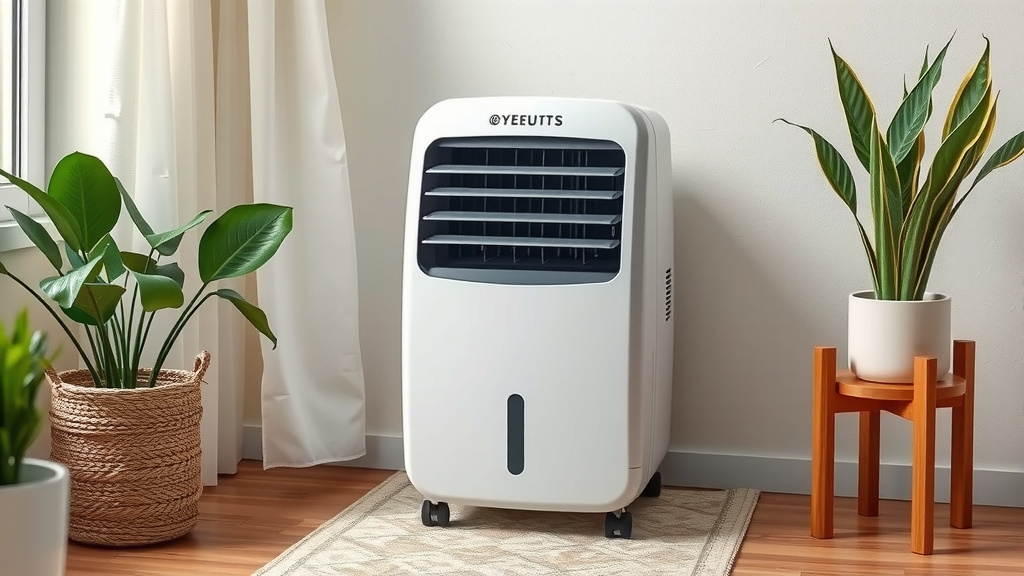
Maintain Your Portable Air Conditioner
Like any appliance, your portable AC needs regular maintenance to perform at its best. Neglecting it can lead to reduced cooling and higher energy bills. We found that cleaning is the most critical part of maintenance.
Clean Those Air Filters!
Your AC has filters to catch dust and debris. When these filters get clogged, air can’t flow through them easily. This reduces the unit’s efficiency and can even lead to it freezing up.
We recommend cleaning your air filters at least once a month, or more often if you live in a dusty area. Most filters are washable. Just rinse them with water and let them dry completely before putting them back. It’s a simple step that makes a big difference in air quality and cooling.
Check for Ice Buildup
If you notice your AC isn’t cooling well, especially after cleaning the filters, check the evaporator coils. Sometimes, if airflow is severely restricted or the unit is working too hard, ice can form on the coils. This blocks air and reduces cooling.
If you see ice, turn the AC off and let it defrost completely. Then, address the cause – usually airflow issues or needing to clean the filters. We found that preventing ice buildup is key to consistent cooling.
Extra Tips for Enhanced Cooling
Want to give your AC even more of a boost? There are a few extra things you can do. These might seem minor, but they can add up to a more comfortable environment.
Use a Reflective Barrier
The back of your portable AC can get warm, especially the exhaust vent. If this unit is placed near a sunny window, it’s working against itself. We found that placing a reflective material behind the unit can help.
Think of a reflective insulation panel or even a large piece of cardboard covered in aluminum foil. This can help bounce radiant heat away from the unit. It’s like giving your AC a bit of shade.
Manage Room Heat Sources
Your AC cools the air, but if you’re adding heat to the room, it’s an uphill battle. Turn off lights and electronics that generate heat when not in use. Close curtains or blinds on sunny windows during the hottest parts of the day.
We found that by reducing the amount of heat your AC has to fight, it can cool the room more effectively and quickly. It’s about working smarter, not just harder!
Quick Cooling Checklist
- Clear at least 2-3 feet around your AC unit.
- Ensure the exhaust hose is straight and short.
- Seal any gaps in your window vent kit.
- Clean the air filters regularly (monthly is good!).
- Consider a window insulation kit for better sealing.
- Reduce other heat sources in the room.
Conclusion
You’ve learned how to make your portable air conditioner work much better. By giving it space to breathe and sealing up air leaks, you can significantly boost its cooling power. Regular maintenance, like cleaning those filters, is also key. Don’t forget those little extras, like managing room heat sources.
Putting these simple tips into practice will help you create a cooler, more comfortable space. Ready to feel the difference? Start by checking the space around your unit and sealing your window kit today!
Frequently Asked Questions
How much clearance does my portable AC really need?
You should aim for at least 2 to 3 feet of clear space around your portable air conditioner. This allows for proper air intake and exhaust, preventing the unit from working harder than it needs to. Always check your owner’s manual for the manufacturer’s specific recommendations.
Can a kinked exhaust hose really reduce cooling?
Yes, a kinked or sharply bent exhaust hose can seriously restrict airflow. This hot air needs a clear path out of your room. Keeping the hose as straight and short as possible ensures your AC can efficiently expel heat and cool your space.
What’s the best way to seal a portable AC window kit?
Weatherstripping tape is a great tool for sealing gaps around your window vent panel. Apply it along the edges where the panel meets the window and frame. For an even better seal, consider a window insulation kit for a more airtight barrier.
How often should I clean my portable AC’s air filters?
You should clean your portable AC’s air filters at least once a month. If you live in a dusty environment or use the unit frequently, you may need to clean them even more often. Clean filters ensure good airflow and optimal cooling performance.
Can I put anything behind my portable AC to make it cooler?
Yes, placing a reflective barrier behind your portable AC can help. A reflective insulation panel or even cardboard covered in aluminum foil can bounce heat away from the unit, especially if it’s near a sunny window. This helps your AC work more efficiently.
![7 Best Window Unit Air Conditioner Brands [2026]](https://bathroomexplorer.com/wp-content/uploads/2026/07/7-best-window-unit-air-conditioner-brands-2026-featured-768x432.jpg)
![7 Best Small Split System Air Conditioner [2026]](https://bathroomexplorer.com/wp-content/uploads/2026/06/7-best-small-split-system-air-conditioner-2026-featured-768x432.jpg)

![7 Best Coldest Portable Air Conditioner [2026]](https://bathroomexplorer.com/wp-content/uploads/2026/06/7-best-coldest-portable-air-conditioner-2026-featured-768x432.jpg)