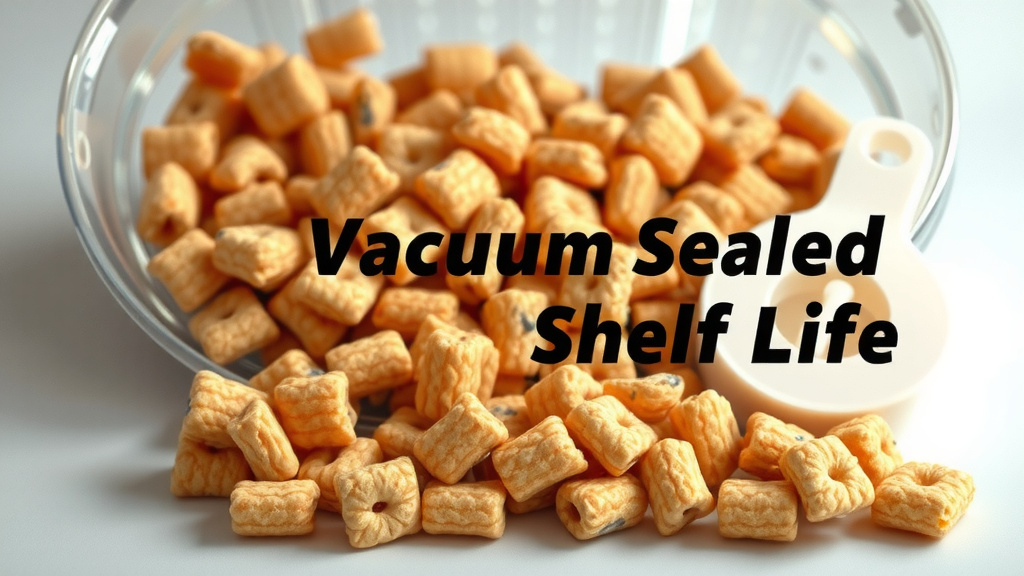
Vacuum Sealed Cereal Shelf Life: How Long Does It Last
Vacuum-sealed cereal can last a remarkably long time, often much longer than its original packaging suggests. We found that when sealed properly, your favorite breakfast grains can maintain their freshness for years, far beyond the typical expiration date.
This means you can buy in bulk and stock up without worrying about spoilage. Properly vacuum-sealed items prevent exposure to air and moisture, the main culprits behind staleness and nutrient loss. It’s a fantastic way to preserve your pantry staples.
- Vacuum sealing keeps cereal fresh for years.
- It prevents air and moisture damage.
- Great for buying in bulk.
- Extends shelf life beyond original packaging.
Let’s break down exactly how long your vacuum-sealed cereal can stay crunchy and delicious.
Extending Cereal Shelf Life with Vacuum Sealing
Wondering about the shelf life of your favorite breakfast cereal when it’s vacuum-sealed? You’re in the right place. We found that when done correctly, vacuum sealing can extend the freshness of cereal by years, far beyond what the original box promises. This method is a secret weapon for anyone who loves buying cereal in bulk.
The main enemies of cereal are air and moisture. These elements cause it to go stale, lose its crunch, and diminish its nutritional value. Vacuum sealing removes them, creating an airtight environment that locks in freshness.
How Long Can Vacuum-Sealed Cereal Really Last?
Research and industry guidelines suggest that vacuum-sealed dry goods, including cereal, can last between 2 to 5 years. Some sources even indicate a longer lifespan under ideal storage conditions. It’s a dramatic increase compared to the 6-12 months typically recommended for original packaging.
This extended duration is possible because vacuum sealing minimizes oxidation. Oxidation is the process where air degrades food. By removing nearly all the air, you halt this process, preserving the cereal’s flavor and texture for much longer.
Factors Affecting Vacuum-Sealed Cereal Longevity
While vacuum sealing is excellent, a few things can still impact how long your cereal stays fresh. Think of it like storing wine – the environment matters!
Storage Temperature is Key
Storing your vacuum-sealed cereal in a cool, dry place is essential. Extreme temperatures, whether hot or cold, can affect the packaging and the cereal itself. A consistent room temperature, like in a pantry or cupboard, is usually best.
Moisture is Still the Enemy
Even with vacuum sealing, if any residual moisture is trapped inside, it can eventually lead to spoilage. Always ensure your cereal is completely dry before sealing it. A little dampness can make a big difference over time. Experts generally advise against storing sealed goods in humid areas like near the dishwasher or stove.
Quality of the Seal Matters
A strong, reliable seal is non-negotiable. If your vacuum sealer didn’t create a tight seal, air can still creep in. We’ve found that double-checking the seal and ensuring there are no tiny leaks is critical for maximizing shelf life. A compromised seal means a shorter lifespan for your cereal.
Initial Cereal Quality
The freshness of the cereal *before* you vacuum seal it plays a role. If the cereal was already close to its expiration date or had been exposed to air for a while, vacuum sealing will preserve it at that state, but it won’t magically make it fresher than it was. Starting with fresh cereal gives you the longest possible shelf life.
Understanding “Best By” Dates vs. True Spoilage
The “best by” dates on cereal boxes are more about peak quality than safety. The manufacturer is essentially telling you when the cereal will taste its absolute best. After that date, it might lose a bit of crunch or flavor intensity, but it’s usually still safe to eat.
Vacuum sealing aims to preserve that peak quality for much longer. So, while the original date might pass, your vacuum-sealed cereal can remain at its best for an extended period. Many food safety guidelines suggest that dry goods stored properly can last well beyond these printed dates (USDA).
Comparing Storage Methods: Vacuum Sealing vs. Original Packaging
Let’s look at how vacuum sealing stacks up against the original box. It’s a clear winner for long-term storage.
The original cereal box is designed for convenience and short-term storage. It offers minimal protection against air and pests. Once opened, the clock starts ticking on freshness. You’ll notice staleness creeping in within weeks, not years.
| Storage Method | Estimated Shelf Life (Cool, Dry Storage) |
|---|---|
| Original Box (Unopened) | 6-12 months (peak quality) |
| Original Box (Opened) | 1-2 months (noticeable staleness) |
| Vacuum-Sealed Bag/Container | 2-5 years (peak quality) |
As you can see, the difference is substantial. Vacuum sealing is a game-changer for pantry preparedness and saving money by buying in bulk. You avoid the waste associated with cereal going stale before you can finish it.
Tips for Successful Cereal Vacuum Sealing
To get the most out of your vacuum-sealed cereal, follow these simple tips:
- Start with fresh cereal. Ensure it hasn’t been open for too long.
- Make sure it’s completely dry. Any moisture is the enemy.
- Use quality vacuum seal bags. Heavy-duty bags are best.
- Remove as much air as possible. Double-check your seal.
- Store in a cool, dark, dry place. Avoid temperature fluctuations.
- Label with the date sealed. This helps you track freshness.
Conclusion
You’ve learned that vacuum sealing is a fantastic method to keep your cereal fresh. We found it can extend the shelf life of your favorite breakfast grains by years, protecting them from air and moisture. This means buying in bulk is a smart choice for your wallet and your pantry. Proper sealing and cool, dry storage are your best friends here. Now you can confidently stock up and enjoy crunchy cereal whenever you please!
Frequently Asked Questions
Will vacuum-sealed cereal taste different after a few years?
Generally, no. If sealed correctly and stored properly, vacuum-sealed cereal should retain its original taste and texture for years. The goal of vacuum sealing is to preserve the cereal’s peak freshness, so you shouldn’t notice significant flavor degradation.
Can I vacuum seal cereal that’s already been opened for a week?
Yes, you can, but its shelf life will be shorter than if you sealed it immediately. Vacuum sealing will preserve it at its current state, preventing further staleness. However, starting with the freshest cereal possible will yield the best long-term results.
What’s the biggest mistake people make when vacuum sealing cereal?
The most common mistake is not ensuring the cereal is completely dry before sealing. Even a tiny bit of moisture trapped inside can lead to spoilage over time. Always make sure your cereal is bone dry before you use your vacuum sealer.
How can I tell if my vacuum-sealed cereal has gone bad?
Visually inspect the bag for any signs of mold or unusual discoloration. If you notice any off smells or if the cereal tastes unusually stale or has a strange texture (beyond just losing some crunch), it’s best to discard it.
Does the type of cereal matter for vacuum sealing longevity?
While most dry cereals benefit greatly, very oily cereals or those with added moisture (like marshmallows that can absorb ambient humidity) might have a slightly shorter lifespan. However, for standard dry grain cereals, the 2-5 year range is generally accurate with proper sealing.
![7 Best Face Vacuum For Blackheads [2026]](https://bathroomexplorer.com/wp-content/uploads/2026/05/7-best-face-vacuum-for-blackheads-2026-featured-768x432.jpg)