Vacuum Sealed Dehydrated Food Shelf Life: How Long It Lasts
Vacuum sealed dehydrated food can last for a really long time. With proper storage, you’re looking at shelf lives that can range from 25 years to even 30 years. This makes it a fantastic option for emergency food supplies or long-term pantry stocking. You can trust that your food will remain safe and edible for decades when sealed correctly.
The key to this incredible longevity is the removal of moisture and oxygen. These two elements are the primary culprits behind food spoilage. By vacuum sealing and dehydrating, you create an environment where bacteria and mold simply cannot thrive. Many experts agree that this method is one of the most effective ways to preserve food for extended periods, far surpassing traditional canning or freezing in some aspects.
- Shelf Life: Typically 25-30 years, sometimes longer.
- Key Factors: Low moisture and absence of oxygen are vital.
- Benefits: Great for emergency kits and long-term food storage.
- Quality: Maintains safety and edibility for decades.
Ready to learn more about how to achieve these impressive storage times for your own food? Let’s dive into the details of vacuum sealing and dehydration to ensure your food stays fresh for years to come.
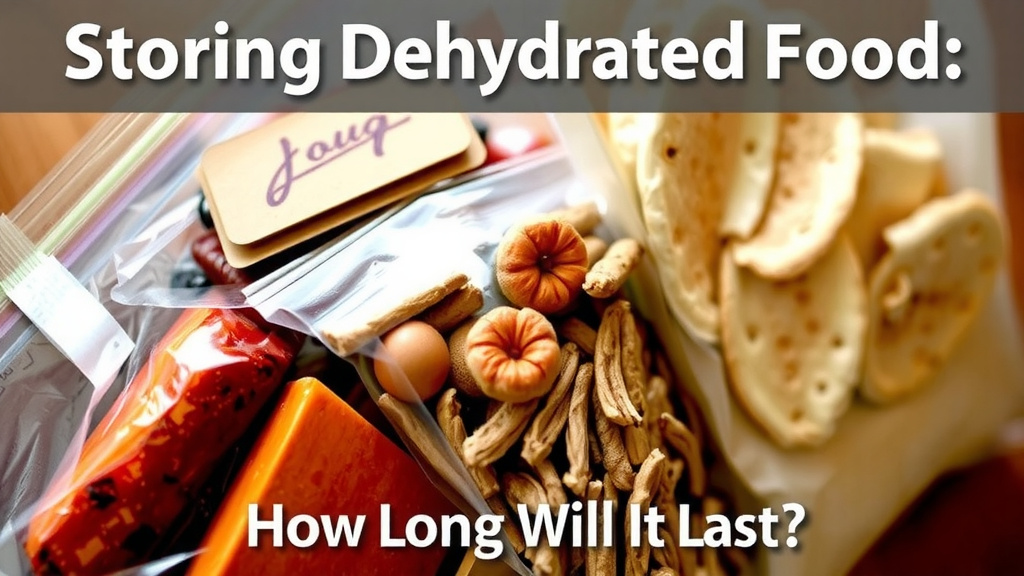
Storing Dehydrated Food: How Long Will It Last?
You’ve put in the work to dehydrate your food and seal it up tight. Now, you’re probably wondering just how long you can expect that food to stay good. You’re looking at a shelf life that can stretch for decades! When done correctly, vacuum-sealed dehydrated food is a true long-term storage champion.
The Science Behind Long-Term Food Preservation
The incredible longevity of vacuum-sealed dehydrated food comes down to two main factors: moisture and oxygen. These are the enemies of food preservation. By removing them, you essentially put food spoilage on pause.
Why Removing Moisture is Key
Think about how quickly fresh food goes bad. Moisture is the breeding ground for bacteria, mold, and yeast. When you dehydrate food, you remove most of its water content. This lack of moisture makes it impossible for those spoilage organisms to grow and multiply.
Research shows that even a small amount of remaining moisture can significantly shorten shelf life. That’s why proper dehydration is so important. You want to get that water content as low as possible, typically below 10% for most items (National Center for Home Food Preservation).
The Role of Oxygen in Spoilage
Oxygen is another major player in food degradation. It’s necessary for the growth of many microorganisms and also contributes to oxidation. Oxidation can cause fats to go rancid, vitamins to degrade, and can change the color and flavor of your food.
Vacuum sealing is your secret weapon here. It sucks out the air from the package, creating a vacuum. This drastically reduces the amount of oxygen available. Less oxygen means slower spoilage and a much longer shelf life for your food.
Factors Affecting Shelf Life
While vacuum-sealed dehydrated food has a fantastic shelf life, it’s not infinite. A few factors can influence how long it truly lasts. Getting these right will maximize your storage time.
Type of Food
Not all foods are created equal when it comes to dehydration and storage. Some items naturally last longer than others.
High-acid foods, like fruits, tend to store better than low-acid foods. Fats can also be tricky; foods high in fat can go rancid over time, even when dehydrated. You might find that jerky or nuts have a slightly shorter optimal shelf life than dried apples or beans.
Storage Conditions
Where you store your food makes a big difference. Think of your food like a delicate antique – it needs a stable environment.
Temperature Stability
Consistent, cool temperatures are best. Fluctuations in temperature can cause condensation inside the packaging. This moisture can then lead to spoilage, even if the original food was properly dehydrated and sealed. Aim for storage in a cool, dark place.
Protection from Light
Light, especially UV light, can degrade the nutrients and quality of your dehydrated food over time. Keep your stored food in opaque containers or in a dark pantry. Sunlight is not your friend when it comes to long-term food storage.
Pest Control
It might seem obvious, but pests are a real threat to stored food. Ensure your storage area is clean and free from insects or rodents. Sturdy containers can offer an extra layer of protection.
Quality of Dehydration and Sealing
The way you prepare and seal your food is paramount. If the food isn’t adequately dehydrated, it won’t last as long. If the vacuum seal isn’t perfect, air can get in, speeding up spoilage.
We found that using a high-quality vacuum sealer and ensuring a strong, secure seal on every bag is critical. Double-checking your seals before storing them can save you a lot of disappointment down the line.
Expected Shelf Life: A General Guide
Based on research and expert recommendations, here’s a general idea of what you can expect:
| Food Type | Estimated Shelf Life (Years) | Notes |
|---|---|---|
| Fruits (e.g., apples, berries, bananas) | 25-30+ | Lower moisture content, naturally acidic. |
| Vegetables (e.g., carrots, peas, corn) | 20-25+ | Sturdy, low-fat options. |
| Grains & Legumes (e.g., rice, beans, oats) | 25-30+ | Very dry, stable carbohydrates. |
| Herbs & Spices | 2-3 | Flavor and potency degrade faster. |
| Cooked Meals (e.g., stews, pasta dishes) | 10-15+ | Depends on ingredients, especially fats. |
| Meats & Poultry (properly prepared) | 10-15+ | Higher fat content can reduce shelf life if not handled properly. |
What “Shelf Life” Really Means
It’s important to understand that “shelf life” refers to the period during which the food remains at its optimal quality. This means it retains its nutritional value, taste, and texture. The food may still be safe to eat beyond this time, but its appeal might diminish.
Many experts agree that properly stored, dehydrated food can remain safe to eat for much longer than the listed optimal shelf life. However, you might notice changes in texture or a slight decline in flavor over decades.
Tips for Maximizing Your Food’s Longevity
Want to get the absolute most out of your vacuum-sealed dehydrated food? Follow these simple tips:
- Start with quality ingredients. Fresher food dehydrates and stores better.
- Dehydrate thoroughly. Ensure moisture content is very low.
- Use high-quality vacuum bags. Invest in bags designed for long-term storage.
- Remove as much air as possible. A strong vacuum seal is non-negotiable.
- Label everything clearly. Include the date of dehydration and contents.
- Store in a cool, dark, dry place. Consistency is key.
Conclusion
You now understand the impressive longevity of vacuum-sealed dehydrated food. By removing moisture and oxygen, you create an environment where food stays safe and edible for decades. Remember that factors like food type, stable cool storage, and a quality seal all play a role in maximizing this shelf life. Ready to put this knowledge to work? Start by gathering your favorite foods and practicing your dehydration and vacuum sealing techniques today. Your future self will thank you for the prepared pantry!
Frequently Asked Questions
Can I eat vacuum-sealed dehydrated food after 30 years?
While the optimal quality might be reached sooner, properly stored vacuum-sealed dehydrated food can often remain safe to eat for 30 years or even longer. You might notice slight changes in texture or flavor over such an extended period, but it should still be safe if stored correctly.
Does the type of vacuum bag matter for longevity?
Yes, the type of vacuum bag can matter. For the longest shelf life, it’s best to use high-quality, multi-layer bags designed for long-term food storage. These bags offer better protection against oxygen and moisture permeation than standard bags.
What happens if my vacuum seal isn’t perfect?
If your vacuum seal isn’t perfect, air can slowly seep into the package. This introduces oxygen and potentially moisture, which will accelerate spoilage. You may find your food doesn’t last as long as expected, and its quality degrades faster.
How do temperature fluctuations affect my dehydrated food?
Temperature fluctuations can cause condensation to form inside your vacuum-sealed bags. This moisture can then lead to mold growth and spoilage, even if the food was initially dehydrated correctly. Consistent, cool storage is key to preventing this issue.
Are herbs and spices really that different in shelf life?
Herbs and spices do have a shorter shelf life compared to fruits or grains. While they can last for years, their flavor and potency degrade more quickly. You might notice they lose their punch after 2-3 years, even when vacuum-sealed, whereas other foods remain high quality much longer.