Vacuum Sealed Dehydrated Fruit Shelf Life
Wondering how long your vacuum-sealed dehydrated fruit will stay fresh? You’re in luck! Properly stored, vacuum-sealed dehydrated fruit can last for an impressive 1 to 2 years, and sometimes even longer. This extended shelf life is thanks to removing moisture and air, the two biggest culprits that cause spoilage and nutrient loss, keeping your healthy snacks delicious and safe to eat.
Dehydrating fruit is a fantastic way to preserve its goodness. When you add vacuum sealing to the mix, you create an almost airtight barrier. This prevents oxidation and keeps out moisture and pests, which is key for long-term storage. Think of it as giving your fruit a super-powered protective shield, maintaining its flavor and nutrients for months on end.
- Vacuum-sealed dehydrated fruit lasts 1-2 years.
- Proper storage is key to maximizing shelf life.
- Removing moisture and air prevents spoilage.
- It maintains flavor and nutrient content.
- Consider your storage environment for best results.
Let’s break down what makes vacuum-sealed dehydrated fruit last so long and how you can ensure yours stays at its best.
So, you’ve taken the time to dehydrate your favorite fruits and then sealed them up tight. Smart move! Now you’re probably wondering, “How long can I actually keep this deliciousness around?” You’re looking at a shelf life that can really surprise you. Properly stored, vacuum-sealed dehydrated fruit can happily sit on your shelf for a solid 1 to 2 years. Sometimes, with a little extra care, it can even stretch beyond that!
Shelf Life Factors for Vacuum-Sealed Dehydrated Fruit
The real magic behind vacuum-sealed dehydrated fruit’s long lifespan isn’t just luck. It’s a combination of science and smart storage. We’re talking about removing the things that cause fruit to go bad – mainly moisture and air. When these elements are gone, spoilage slows down considerably.
The Role of Moisture Removal
Dehydrating itself is like hitting the pause button on spoilage. You’re taking out the water that bacteria and mold need to grow. Think of it like drying clothes on a sunny day; they last much longer once they’re dry. For fruit, this means it’s less susceptible to those pesky microbes.
Why Vacuum Sealing Makes a Difference
This is where the real protection comes in. When you vacuum seal, you’re not just closing a bag; you’re creating a barrier. This barrier keeps out oxygen, which is a major player in oxidation. Oxidation can make your dried fruit lose its vibrant color and, more importantly, its nutrients and flavor. It also keeps out any lingering moisture from the air and pests that might try to sneak in.
Comparing Vacuum Sealing to Other Methods
You might have stored dried fruit in regular plastic bags or containers before. How does vacuum sealing stack up? Well, those regular methods are okay for short-term storage, but they’re not as effective at removing air. You’ll likely find that the fruit degrades faster, losing its crunch and flavor sooner. Vacuum sealing provides a much more robust defense against the elements that cause spoilage.
Optimizing Storage for Maximum Freshness
So, you’ve got your fruit all sealed up. Now, what’s the best way to keep it tasting great for as long as possible? Your storage environment plays a huge role. Even the best vacuum seal can’t protect against extreme conditions.
Temperature is Key
Many food safety experts point to cool temperatures as being vital for extending shelf life (CDC). Keeping your vacuum-sealed fruit in a cool, dark place is your best bet. Think pantry, cupboard, or even a basement if it’s dry. Avoid places that get hot, like near a stove or in direct sunlight. Heat can accelerate degradation, even in sealed bags.
The Importance of Darkness
Light, especially sunlight, can also degrade the quality of your dried fruit. It can fade the colors and impact the vitamins. So, storing your fruit in opaque bags or containers, and keeping them in a dark location, will preserve their nutritional value and visual appeal.
Humidity Control
While vacuum sealing does an excellent job of keeping moisture out, it’s still wise to ensure your storage area is relatively dry. High humidity in the storage area can eventually compromise even the best seal, especially over longer periods. If you live in a very humid climate, consider using desiccant packs inside your storage bins, though this is less critical with a perfect vacuum seal.
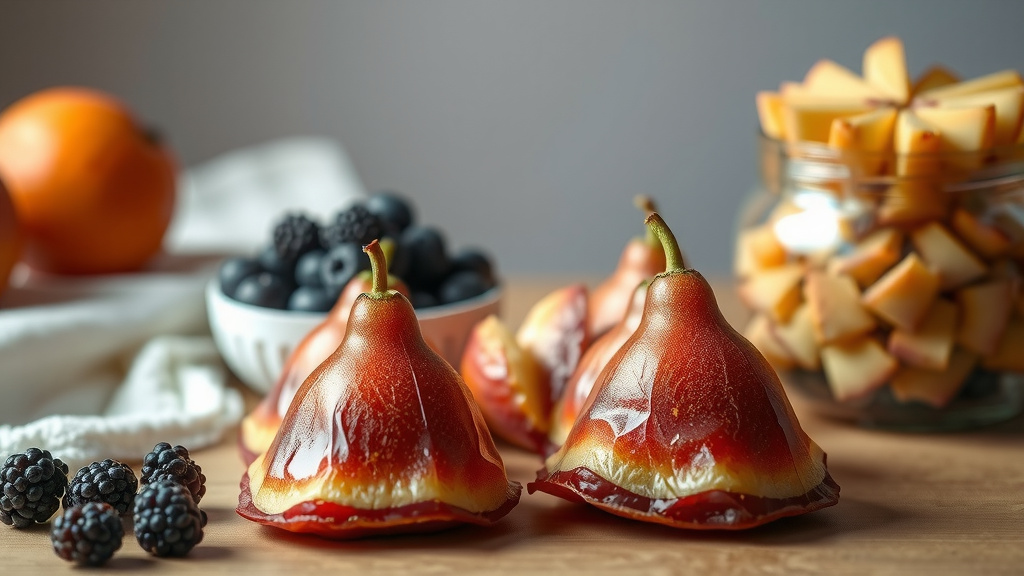
What Affects the Exact Shelf Life?
While we aim for that 1-2 year mark, a few things can nudge the lifespan in either direction. It’s not always a one-size-fits-all scenario. Understanding these variables can help you manage your expectations and enjoy your fruit at its peak.
Type of Fruit
Some fruits are naturally more resilient than others. For example, fruits with lower sugar content and less natural oil might degrade slightly faster. However, the dehydration and vacuum sealing process generally levels the playing field quite a bit. Research generally shows that the sugar content in fruit plays a role in preservation, but dehydration and sealing are the primary factors.
Initial Moisture Content
How dry was the fruit to begin with? If you managed to get the moisture content exceptionally low during the dehydrating phase, it will likely last longer. Aiming for a moisture content of around 5-10% is standard for long-term storage (USDA guidelines suggest this for dried fruits).
Quality of the Seal
Let’s be honest, sometimes a seal isn’t perfect. A tiny pinhole or a weak seal can let in air and moisture. It’s always a good idea to inspect your bags periodically, especially if you’re storing for extended periods. If a bag seems a bit puffy, it might be compromised.
Here’s a quick checklist to make sure your vacuum-sealed dehydrated fruit lasts as long as it should:
- Ensure fruit is thoroughly dehydrated before sealing.
- Use a reliable vacuum sealer for a strong seal.
- Store sealed fruit in a cool, dark, and dry location.
- Avoid stacking heavy items on top of the sealed bags.
- Check bags occasionally for any signs of air leakage.
- Label your bags with the date sealed for easy tracking.
By paying attention to these details, you can confidently enjoy the fruits of your labor for months, even years, to come. It’s a simple way to keep healthy, tasty snacks on hand!
Conclusion
You’ve learned that vacuum-sealed dehydrated fruit is a storage champ, typically lasting 1 to 2 years when done right. The key is a multi-step process: thorough dehydration, effective vacuum sealing, and smart storage. By minimizing moisture and air, you’re fighting off spoilage and keeping your fruit tasty and nutritious. Don’t let your hard work go to waste! The next time you’re prepping your fruit, remember these tips. You can confidently store your dehydrated creations, knowing they’ll be ready when you need a healthy snack. Enjoy your long-lasting treats!
Frequently Asked Questions
Can I eat vacuum-sealed dehydrated fruit after 2 years?
While the general guideline is 1-2 years, some fruit might still be safe to eat beyond this. Look for signs of spoilage like mold, off-smells, or changes in texture. If you’re unsure, it’s always best to err on the side of caution and discard it.
Does the type of fruit affect how long it lasts?
Generally, the dehydration and vacuum sealing process makes most fruits last similarly long. However, fruits with higher sugar content tend to preserve a bit better naturally. Still, proper sealing and storage are more impactful than the fruit type alone.
What happens if my vacuum seal bag puffs up?
A puffy bag indicates that air has entered the package. This means oxidation has likely begun, and the fruit’s quality will start to decline more rapidly. It’s best to consume fruit from a compromised bag sooner rather than later.
Do I need to refrigerate vacuum-sealed dehydrated fruit?
Refrigeration isn’t typically necessary if the fruit is properly dehydrated and vacuum-sealed. A cool, dark, and dry pantry is ideal. However, if you live in a very hot climate or want to extend the shelf life even further, refrigeration can help.
How can I tell if my dehydrated fruit has gone bad?
The best indicators are visual and olfactory. Look for any signs of mold, discoloration that wasn’t there originally, or a musty or off smell. If the fruit tastes significantly different or has lost its characteristic crunch, it may have spoiled.


![7 Best Garage Vacuum For Car Detailing [2026]](https://bathroomexplorer.com/wp-content/uploads/2026/05/7-best-garage-vacuum-for-car-detailing-2026-featured-768x432.jpg)