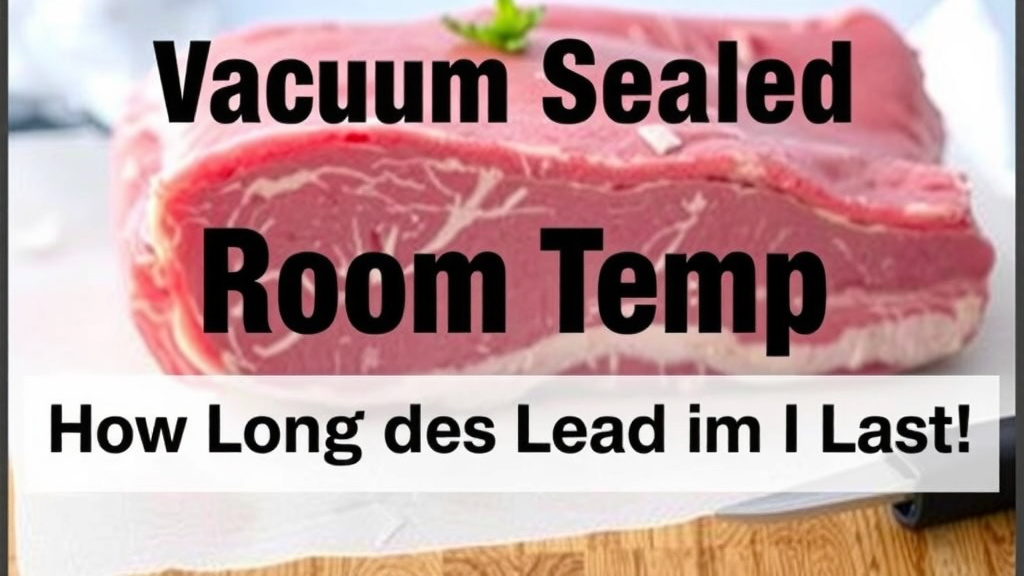
Vacuum Sealed Meat Room Temp: How Long Does It Last
No, vacuum-sealed meat should not be left out at room temperature for any extended period. While vacuum sealing can extend shelf life in the refrigerator or freezer, it does not make meat safe indefinitely at room temperature. Bacteria that cause spoilage and illness can still grow, even in a vacuum-sealed package, once the temperature rises above 40°F.
Think of vacuum sealing as a helpful barrier, not a magic shield against room temperature. It slows down spoilage by removing oxygen, which bacteria need to thrive. But if the meat isn’t kept cold enough, those spoilage microbes will still get a party started. That’s why proper refrigeration or freezing is always key for safety.
- Vacuum sealing doesn’t make meat safe at room temperature.
- Bacteria can still grow if the meat isn’t kept cold.
- It slows spoilage by removing oxygen, but heat negates this.
- Always store meat properly in the fridge or freezer.
So, if you’re wondering about the safety of your vacuum-sealed steaks or chicken sitting on the counter, let’s break down exactly how long is too long and what the risks are.
How Long Can Vacuum-Sealed Meat Stay Safe at Room Temperature?
You might be wondering if that vacuum-sealed package of chicken or steak you forgot on the counter is still good. The short answer is: not for long. Vacuum sealing removes oxygen, which is great for slowing down spoilage in the fridge or freezer. But at room temperature, it’s a different story entirely.
Understanding the Risks of Room Temperature Storage
When meat is left out of refrigeration, bacteria begin to multiply rapidly. This happens regardless of whether the meat is vacuum-sealed or not. The danger zone for bacterial growth is between 40°F and 140°F. This is the temperature range where harmful bacteria like E. coli, Salmonella, and Listeria can double in number within just 20 minutes.
The Role of Vacuum Sealing
Vacuum sealing works by removing the air around the food. This removes oxygen, which is essential for the growth of aerobic bacteria – the kind that spoil food quickly and can make you sick. Without oxygen, these bacteria can’t thrive as easily. This is why vacuum-sealed food lasts longer in the refrigerator or freezer.
Why It Doesn’t Grant Immunity at Room Temperature
However, vacuum sealing is not a foolproof shield against spoilage at room temperature. Anaerobic bacteria, which do not need oxygen to survive, can still grow. Furthermore, even with reduced oxygen, the warm temperature itself is a prime breeding ground for all types of bacteria. Think of it like this: you’ve taken away one of their favorite snacks (oxygen), but you’ve also turned up the heat on their party room.
The Two-Hour Rule: Your Best Friend for Meat Safety
Food safety guidelines are pretty clear on this. Perishable foods, including all types of meat, should not be left at room temperature for more than two hours. This is a critical guideline recommended by agencies like the U.S. Department of Agriculture (USDA).
What if it’s Cooler than 90°F?
There’s a slight adjustment to that rule if the ambient temperature is quite high. If the temperature is above 90°F, the safe time limit drops to just one hour. This is because the warmer it is, the faster bacteria can multiply. Imagine trying to cool down a hot car on a scorching day – it takes a while! Meat left in a hot environment heats up much faster.
When Does “Room Temperature” Become Dangerous?
For vacuum-sealed meat, the danger begins as soon as the internal temperature of the meat rises above 40°F. Even if the outside of the package feels cool, the inside can quickly warm up. This is why leaving it out for even an hour or two, especially in a warm kitchen, can put you at risk for foodborne illness.
What Happens to Meat Left Out?
When meat sits at room temperature, a cascade of changes occurs. It’s not just about spoilage; it’s about safety.
Bacterial Proliferation: The Unseen Danger
As mentioned, bacteria are the main concern. They don’t just make the meat smell bad or look unappetizing; they can produce toxins. These toxins are often heat-resistant, meaning cooking the meat later might not destroy them. This can lead to severe food poisoning. We found that even small amounts of these toxins can cause illness (CDC).
Physical Signs of Spoilage (and When to Ignore Them)
You might notice a slimy texture or a foul odor. These are classic signs of spoilage. However, a critical point to remember is that meat can be contaminated with harmful bacteria and their toxins without showing obvious signs of spoilage. So, you can’t always trust your senses to tell you if it’s safe.
The Case for “When in Doubt, Throw it Out”
This saying is a cornerstone of food safety for a reason. If your vacuum-sealed meat has been left at room temperature for longer than the recommended two hours (or one hour if it’s very hot), the safest course of action is to discard it. The risk of illness simply isn’t worth it. It’s better to buy more meat than to risk a nasty bout of food poisoning.
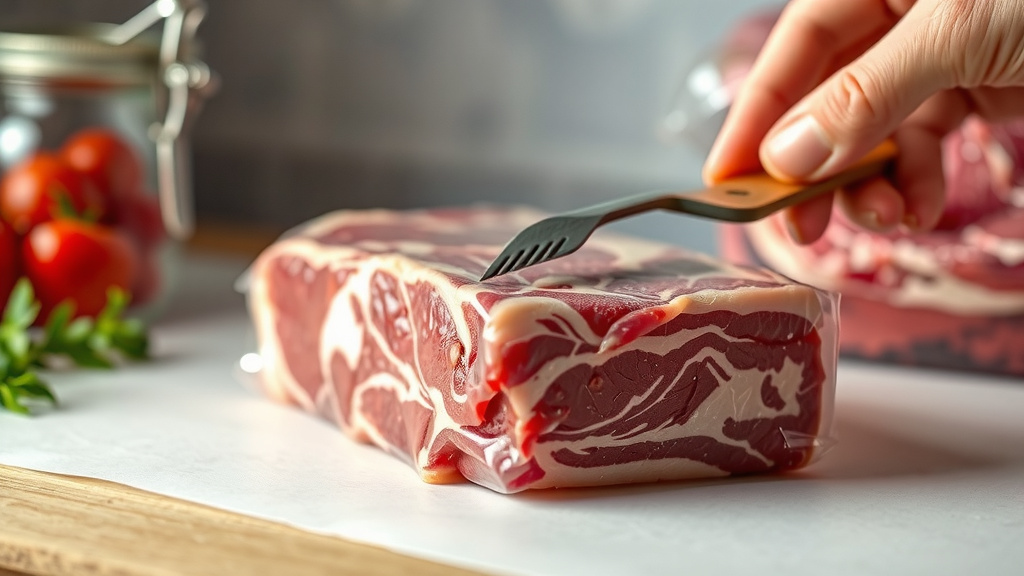
Comparing Shelf Life: Fridge vs. Freezer vs. Room Temp
Let’s put things in perspective. Understanding these differences highlights why room temperature is a no-go zone for raw meat.
| Storage Method | Typical Shelf Life (Vacuum-Sealed) | Key Factors |
|---|---|---|
| Refrigerator (Below 40°F) | 2-3 weeks for beef, lamb, veal; 1-2 weeks for pork; 7-10 days for poultry | Consistent cold temperature is vital. |
| Freezer (0°F or below) | 6 months to 2 years (quality may degrade over time) | Maintains quality and prevents bacterial growth indefinitely. |
| Room Temperature (Above 40°F) | MAXIMUM 2 hours (or 1 hour if >90°F) | High risk of rapid bacterial growth. |
As you can see from the table, the temperature makes a world of difference. The freezer is for long-term storage, the refrigerator for short-to-medium term, and room temperature is a fleeting window for safety, if that.
Your Vacuum-Sealed Meat Safety Checklist
To keep your meat safe and delicious, follow these simple steps:
- Always refrigerate or freeze meat promptly after purchase.
- When thawing, do it in the refrigerator, never on the counter.
- If you remove vacuum-sealed meat from the fridge for a short period (like to prep for cooking), return it immediately after.
- Never leave perishable meat out for longer than two hours.
- If the meat has been out longer than allowed, don’t risk it – throw it away.
- Trust your gut: if something seems off, it probably is.
Conclusion
You’ve learned that vacuum sealing is a fantastic tool for extending meat’s life in the fridge or freezer. But it doesn’t make meat invincible at room temperature. Bacteria can still multiply rapidly when the temperature is above 40°F, even in a vacuum-sealed package. The two-hour rule is your most important guide: no more than two hours at room temperature, or one hour if it’s over 90°F. When in doubt, always play it safe and discard any meat that has been left out too long. Prioritize your health and enjoy your safely stored meats!
Frequently Asked Questions
Can I tell if vacuum-sealed meat is bad just by looking at it after it’s been out?
While you might see signs like sliminess or smell an off odor, these aren’t always reliable indicators. Harmful bacteria can grow and produce dangerous toxins without causing any visible or smelly changes. You can’t always trust your senses to determine safety.
What’s the real danger if vacuum-sealed meat is left out?
The main danger is the rapid growth of bacteria like E. coli and Salmonella. These bacteria can multiply quickly in the “danger zone” between 40°F and 140°F. They can also produce heat-resistant toxins that cooking won’t destroy, leading to severe food poisoning.
How quickly does vacuum-sealed meat warm up at room temperature?
Meat can warm up surprisingly fast, especially in warmer environments. Even if the package feels cool, the internal temperature can rise above 40°F within an hour or two, entering the danger zone for bacterial growth.
If I accidentally left vacuum-sealed meat out for a few hours, can I still cook and eat it?
No, it’s not safe. Food safety guidelines strongly advise against consuming meat that has been at room temperature for longer than two hours (or one hour in temperatures above 90°F). The risk of foodborne illness is too high.
Does the type of meat matter for how long it can be out of the fridge?
No, the two-hour rule applies to all perishable foods, including all types of raw meat like beef, chicken, pork, and lamb. The risk of bacterial growth is consistent across different meats when they are left in the danger zone.