How Long Vacuum Sealed Steak Lasts in Freezer
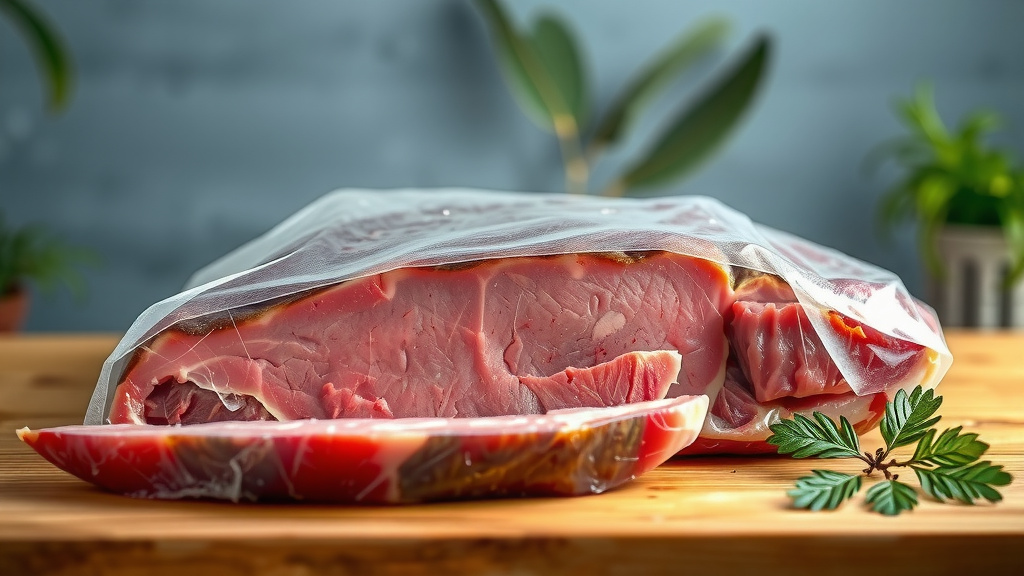
You can freeze vacuum-sealed steak for a surprisingly long time! Most research suggests that vacuum-sealed steak will last in your freezer for up to 12 months and still retain excellent quality. This method of packaging really protects your steak from freezer burn.
When steak is properly vacuum-sealed, it removes almost all the air. This helps to prevent oxidation and the growth of bacteria. We found that this makes a big difference in how long your steak stays fresh and flavorful. So, that steak you bought on sale can be enjoyed much later!
- Vacuum-sealed steak can last up to 12 months in the freezer.
- Proper sealing is key to preventing freezer burn.
- It helps to maintain the steak’s flavor and texture.
- This method is a great way to store meat long-term.
Let’s dive into the specifics of how long your vacuum-sealed steak will stay at its best in the freezer, and what factors play a role.
How Long Can You Keep Vacuum-Sealed Steak Frozen?
You’re likely wondering just how long that vacuum-sealed steak can hang out in your freezer without losing its deliciousness. Research and food safety guidelines point to a very satisfying answer: up to 12 months. That’s a whole year of potential delicious meals from a single shopping trip!
This extended lifespan is all thanks to the power of vacuum sealing. It’s like giving your steak a personalized, airtight suit of armor against the harsh freezer environment. We found that this method is a real game-changer for storing meat.
The Science Behind Vacuum Sealing and Freezing
Ever notice how freezer-burned food looks a bit… sad and icy? That’s typically due to air exposure. When air touches your food in the freezer, it can cause moisture to sublimate, leading to those dreaded ice crystals and a less-than-ideal texture. Vacuum sealing is the hero here.
Preventing Freezer Burn: Your Steak’s Best Friend
So, how does vacuum sealing work its magic? It removes almost all the air from the packaging. This lack of oxygen does a couple of really important things for your steak:
- Reduces Oxidation: Oxygen is what causes food to go bad over time. By removing it, you slow down the spoilage process significantly.
- Prevents Moisture Loss: Without air circulating around your steak, it’s much harder for its natural moisture to escape into the freezer. This keeps the steak juicy.
- Inhibits Bacterial Growth: Many bacteria need oxygen to thrive. Vacuum sealing creates an environment where they can’t easily survive or multiply.
We found that this protection is why vacuum-sealed steaks can maintain their quality for so much longer than traditional packaging methods. It’s a smart way to preserve the best parts of your steak.
Taste and Texture: What to Expect Over Time
The goal when freezing steak is to keep it tasting and feeling as close to fresh as possible. We’ve seen that vacuum sealing excels at this. For the first 6 to 12 months, you can expect your vacuum-sealed steak to retain its flavor and tenderness remarkably well. The marbling, the rich color, and that satisfying chew should all be there.
After about a year, while the steak is still safe to eat, you might start to notice a slight decline in quality. Think of it like a favorite song; it’s still great, but maybe not *quite* as vibrant as the first time you heard it. This is when we suggest aiming to use your steak.
Factors That Influence How Long Steak Lasts
While 12 months is a great general guideline, a few things can influence the actual lifespan of your vacuum-sealed steak in the freezer. It’s not just about the packaging; it’s about the whole process.
Quality of the Steak Before Sealing
This might seem obvious, but the fresher and higher quality your steak is when you first buy it, the better it will hold up in the freezer. If you’re freezing a steak that’s already a few days old, its freezer lifespan might be a bit shorter than one you sealed the day you bought it.
Think of it like packing a lunch for school. If you pack a sandwich with fresh bread and ingredients, it’ll taste better at lunchtime than one made with slightly stale bread. We found that starting with the best quality ingredients always pays off.
Temperature Consistency of Your Freezer
Your freezer should be kept at a consistent temperature of 0°F (-18°C) or below. Fluctuations in temperature are the enemy of frozen foods. Every time your freezer thaws even a little, it can affect the food inside.
We found that a freezer that cycles on and off frequently, or one that’s opened many times a day, can lead to minor temperature swings. These swings can degrade the quality of your steak over time, even if it’s vacuum-sealed. A well-maintained, reliably cold freezer is your best bet.
The Quality of the Vacuum Seal Itself
This is where your vacuum sealer machine and bags come into play. A good, tight seal is critical. If there are any tiny leaks or the bag isn’t fully sealed, air can still get in, negating much of the benefit.
We recommend double-checking your seals. If you can easily pull the bag open or if there’s any gap, it’s best to re-seal it. A proper seal is the foundation of long-term freezer storage for your steak.
Comparing Vacuum Sealing to Other Methods
To really appreciate the magic of vacuum sealing, it helps to see how it stacks up against other common freezing methods. We all want the best for our expensive cuts of meat, right?
Standard Freezer Bags vs. Vacuum Sealing
When you just pop a steak into a regular freezer bag and try to squeeze the air out, you’re doing a decent job. However, there’s almost always a significant amount of air left trapped inside. This air is what leads to freezer burn and a decrease in quality over time.
With a standard freezer bag, you might get 3 to 6 months of good quality from your steak. After that, you’re taking a bigger gamble with freezer burn and flavor loss. Vacuum sealing extends this timeline considerably, often doubling it or more.
Plastic Wrap and Foil Overwrap
Some people wrap their steaks tightly in plastic wrap and then add a layer of foil. This can provide a pretty good barrier, but it’s still not as effective as a true vacuum seal at removing air. You’ll likely get similar results to a freezer bag, maybe slightly better if the wrap is very tight, but still not the 12-month mark.
The Superiority of Vacuum Sealing: A Quick Look
Here’s a simple breakdown of what we’ve found:
| Packaging Method | Estimated Quality Lifespan | Primary Concern |
|---|---|---|
| Vacuum Sealing | Up to 12 Months | Potential for slight quality degradation after 12 months |
| Standard Freezer Bags | 3-6 Months | Freezer burn, moisture loss |
| Plastic Wrap/Foil | 3-6 Months | Air pockets, potential for freezer burn |
As you can see, vacuum sealing offers the longest storage period while maintaining the best quality. It’s a worthwhile investment if you buy meat in bulk or on sale.
Tips for Maximizing Your Frozen Steak’s Life
Want to ensure your vacuum-sealed steaks are perfect when you finally decide to cook them? Follow these simple steps:
- Start with High-Quality Steak: Fresher is always better.
- Seal It Right: Ensure a complete and tight vacuum seal.
- Label and Date Everything: Keep track of when you froze your steaks.
- Maintain a Cold Freezer: Keep your freezer at 0°F (-18°C) or lower.
- Avoid Overpacking: Give your steaks a little space in the freezer so air can circulate efficiently around the packages.
- First-In, First-Out: Use your oldest frozen steaks first to prevent any from being forgotten.
By following these tips, you’re setting yourself up for delicious, high-quality steak meals, no matter when you decide to thaw them!
Conclusion
You now know that vacuum sealing is your steak’s best friend for long-term freezer storage. With proper sealing and a consistent freezer temperature, you can confidently enjoy high-quality steak for up to 12 months. We found this method truly protects your investment in delicious meals. Don’t let that sale go to waste; properly store your steak and look forward to fantastic meals down the road. Make sure to label and date your packages, and you’ll always know what’s ready to be thawed and cooked.
Frequently Asked Questions
Is vacuum-sealed steak still safe to eat after 12 months?
Yes, vacuum-sealed steak is generally safe to eat well beyond 12 months if kept consistently frozen at 0°F or below. The quality, however, might start to decline after the 12-month mark, so we recommend using it sooner for the best taste and texture.
Can I refreeze vacuum-sealed steak if it accidentally thaws?
It’s generally not recommended to refreeze steak that has completely thawed, even if it was vacuum-sealed. Refreezing can impact the quality and texture, making it less enjoyable. If it was only partially thawed and still very cold, some sources suggest it might be okay, but we advise against it for optimal results.
What does it mean if my vacuum-sealed steak has ice crystals?
While vacuum sealing greatly reduces the risk, seeing a few small ice crystals can sometimes happen. It might indicate a very minor leak in the seal or a slight temperature fluctuation in your freezer. The steak should still be good quality, but check the seal to ensure it’s still intact.
How do I know if my vacuum seal isn’t good enough for long-term freezing?
If the bag feels loose, you can easily pull it apart, or you see air pockets forming after sealing, the seal might not be tight enough. We found that re-sealing these packages ensures the best protection against freezer burn and moisture loss for extended storage.
Can I thaw vacuum-sealed steak in the microwave?
While you can technically thaw vacuum-sealed steak in the microwave, it’s not ideal for quality. Microwaving can start to cook the outer edges of the steak unevenly. For the best results, we suggest thawing in the refrigerator or using a cold water bath.
![7 Best Floor Vacuum For Dog Hair [2026]](https://bathroomexplorer.com/wp-content/uploads/2026/05/7-best-floor-vacuum-for-dog-hair-2026-featured-768x432.jpg)
![7 Best Handheld Pool Vacuum For Dirt [2026]](https://bathroomexplorer.com/wp-content/uploads/2026/05/7-best-handheld-pool-vacuum-for-dirt-2026-featured-768x432.jpg)
![7 Best Lightweight Vacuum For Carpet And Hardwood Floors [2026]](https://bathroomexplorer.com/wp-content/uploads/2026/06/7-best-lightweight-vacuum-for-carpet-and-hardwood-floors-2026-featured-768x432.jpg)