Vacuum Sealed Raw Meat Fridge Life: How Long
Vacuum sealed raw meat can last significantly longer in the fridge than traditionally wrapped meat, often extending its shelf life by 2 to 6 times. Properly vacuum sealed, raw meat typically stays fresh and safe to eat in the refrigerator for about 7 to 14 days, depending on the type of meat. This method helps prevent spoilage by removing air.
This extended freshness is a real game-changer for meal prepping and reducing food waste. By creating an airtight seal, you’re essentially slowing down oxidation and the growth of bacteria. We found that this can mean fewer last-minute grocery runs. Knowing these timelines can help you plan your meals with confidence and safety.
- Vacuum sealing extends fridge life for raw meat.
- Expect 7-14 days for most vacuum-sealed raw meats.
- This prevents spoilage by removing air.
- It’s great for meal prep and cutting waste.
So, how long can you really expect that vacuum-sealed steak to last? Let’s break down the specifics so you can feel confident about what’s in your fridge.
How Long Does Vacuum-Sealed Raw Meat Stay Fresh in the Fridge?
You’re probably wondering about the actual shelf life of your vacuum-sealed raw meat in the refrigerator. We’ve got the answers for you. Properly vacuum-sealed raw meat can last significantly longer than you might expect. Many sources, like the USDA, suggest that removing air can extend refrigeration time considerably.
Understanding the Extension: Why Vacuum Sealing Works
Vacuum sealing is like giving your meat a personalized, protective bubble. It works by removing nearly all the air from the packaging. This lack of oxygen is key. It slows down the processes that lead to spoilage. Oxidation and the growth of aerobic bacteria are the main culprits behind meat going bad. Vacuum sealing tackles both.
Typical Shelf Life by Meat Type
While 7 to 14 days is a general guideline, the exact duration can vary based on the type of meat you’re storing. Different meats have different compositions and levels of natural bacteria. Here’s a closer look:
Beef and Lamb
These red meats tend to be quite sturdy when vacuum-sealed. You can typically expect beef and lamb to last for 14 to 21 days in the refrigerator. This is a substantial increase compared to traditional wrap methods, which might only offer 5 to 7 days.
Pork
Pork also enjoys an extended shelf life due to vacuum sealing. Similar to beef and lamb, vacuum-sealed pork can often be stored safely for 14 to 21 days. This makes it perfect for planning larger meals or when you find a great sale at the butcher.
Poultry (Chicken and Turkey)
Chicken and turkey are a bit more delicate. While vacuum sealing helps, they generally have a slightly shorter window. Most sources indicate that vacuum-sealed raw chicken or turkey will last around 7 to 10 days in the fridge. It’s still a good improvement over non-sealed options.
Fish and Seafood
Fish and seafood are the most perishable, even when vacuum-sealed. Their delicate structure and higher fat content mean they spoil faster. We found that vacuum-sealed raw fish and seafood are best consumed within 3 to 6 days. Always be extra diligent with these.
Factors Affecting Refrigeration Time
While vacuum sealing is powerful, it’s not magic. Several factors can influence how long your meat actually stays good in the fridge. It’s important to be aware of these for food safety.
Initial Meat Quality and Freshness
The clock starts ticking from the moment the meat is processed. If your meat wasn’t fresh to begin with, vacuum sealing can only do so much. Always start with the highest quality, freshest meat possible for the best results. This is a foundational step.
Temperature Stability
Your refrigerator’s temperature plays a huge role. It needs to be consistently cold. The ideal temperature for storing raw meat is 40°F (4°C) or below. Fluctuations can speed up bacterial growth, even in a vacuum-sealed bag. We recommend checking your fridge temperature regularly.
The Quality of the Seal
A good vacuum seal is essential. If there’s any air leakage, the benefits of vacuum sealing are reduced. You should see a tightly sealed bag with no visible gaps. If you notice the bag is puffy or loose, it’s a sign the seal may have failed. This could compromise the meat’s safety.
A Quick Comparison: Vacuum Sealing vs. Traditional Methods
Let’s look at how vacuum sealing stacks up against common refrigeration methods. This can help you visualize the difference it makes in your kitchen.
| Meat Type | Vacuum Sealed (Approx. Fridge Life) | Traditionally Wrapped (Approx. Fridge Life) |
|---|---|---|
| Beef/Lamb | 14-21 days | 5-7 days |
| Pork | 14-21 days | 5-7 days |
| Poultry | 7-10 days | 2-3 days |
| Fish/Seafood | 3-6 days | 1-2 days |
As you can see, the extended shelf life is quite significant. This allows for better planning and can reduce food waste effectively. Many home cooks find this capability especially useful for busy weeks.
When in Doubt, Throw It Out: Safety First
Even with the extended shelf life, safety is always the top priority. It’s crucial to know the signs of spoilage. If your vacuum-sealed meat looks or smells off, even within the extended timeframe, it’s best to discard it. Never risk eating spoiled meat.
Visual Cues of Spoilage
Look for any discoloration, such as a greyish or greenish tint on the meat. Sliminess or a sticky texture on the surface is another clear indicator that the meat is no longer safe to consume.
Odor Test
A foul, sour, or rotten smell is a definitive sign of spoilage. Your nose is one of your best allies in the kitchen. If the smell is unpleasant, do not use the meat.
Tips for Maximizing Vacuum-Sealed Meat Life
Want to ensure your vacuum-sealed meat lasts as long as possible in the fridge? Here are a few simple tips to help you out:
- Always start with fresh, high-quality meat.
- Ensure your refrigerator is set to 40°F (4°C) or lower.
- Double-check the vacuum seal for any signs of leakage.
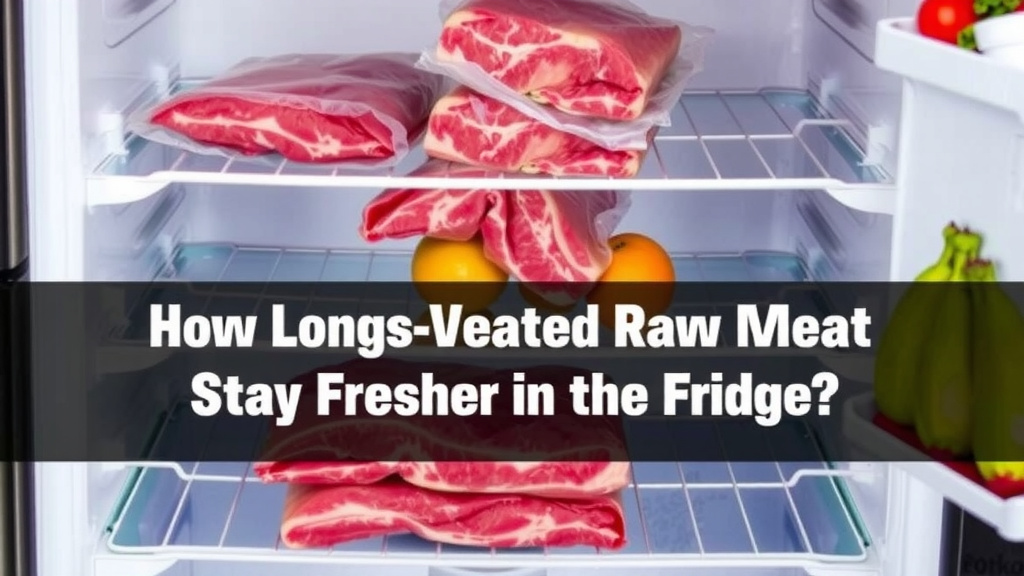
- Store meat on a lower shelf to prevent any accidental drips onto other foods.
- Use the meat within the recommended timeframe, prioritizing older items first.
Conclusion
You now have a clear picture of how vacuum sealing dramatically extends the life of your raw meat in the fridge. Remember, beef, lamb, and pork can last up to 21 days, while poultry lasts about 7-10 days, and seafood is best within 3-6 days. Keeping your fridge at a stable 40°F or below and ensuring a perfect seal are key. Always trust your senses; if meat looks or smells off, it’s better to be safe. Plan your meals confidently with this knowledge and enjoy less food waste!
Frequently Asked Questions
Can I refreeze vacuum-sealed raw meat if I don’t use it within the fridge timeframe?
Generally, it’s not recommended to refreeze raw meat that has been thawed in the refrigerator. While vacuum sealing helps maintain quality, refreezing can still impact texture and flavor. If the meat has been kept consistently cold and shows no signs of spoilage, some sources suggest it might be safe, but quality will likely decrease.
What if my vacuum-sealed bag looks slightly puffy in the fridge?
A puffy vacuum-sealed bag indicates that air has entered the packaging. This could be due to a faulty seal or a slow leak. This compromised seal means the protective benefits are reduced, and the meat may spoil faster. It’s best to check for signs of spoilage and use the meat quickly or consider discarding it.
Does vacuum sealing make raw meat last forever in the fridge?
No, vacuum sealing significantly extends shelf life but does not make raw meat last forever. It slows down spoilage by removing oxygen, which inhibits bacterial growth and oxidation. However, natural spoilage processes and some anaerobic bacteria will still eventually affect the meat, even when properly sealed and refrigerated.
Is there a difference in fridge life if the meat is ground versus whole cuts when vacuum-sealed?
Yes, there can be a slight difference. Whole cuts, like steaks or roasts, tend to have a longer shelf life than ground meat, even when vacuum-sealed. This is because grinding increases the surface area, potentially exposing more meat to any remaining microbes and accelerating spoilage processes.
How can I tell if vacuum-sealed meat is still good if the packaging looks fine?
Always rely on your senses. Even if the vacuum-sealed bag looks perfect, open it in a well-ventilated area. Smell the meat for any off-putting odors, and visually inspect it for unusual discoloration or a slimy texture. If anything seems questionable, it’s safest to discard the meat.