Vacuum Sealed Vegetables: How Long Do They Last?
You can expect vacuum-sealed vegetables to last much longer than their fresh counterparts. Properly vacuum-sealed vegetables can last for 1 to 2 weeks in the refrigerator and up to 2 to 3 years in the freezer. This preservation method removes oxygen, which significantly slows down spoilage and prevents freezer burn. So, yes, vacuum sealing is a fantastic way to extend the life of your veggies!
Why does vacuum sealing work so well for vegetables? It’s all about removing air. Oxygen is the enemy of freshness; it promotes oxidation and encourages the growth of mold and bacteria. By creating an airtight seal, you create an environment where these spoilage agents can’t thrive. This means you can buy in bulk, prep ahead, and reduce food waste dramatically, all while keeping your veggies nutritious and delicious.
- Vacuum-sealed veggies last 1-2 weeks in the fridge.
- They can last 2-3 years when frozen.
- Removing air prevents spoilage and freezer burn.
- It’s a great way to save money and reduce waste.
- Preparation is key for maximum shelf life.
Ready to learn how to get the most out of your vacuum-sealed produce? Below, we break down the specifics of how long different types of vegetables can last and the best practices for achieving peak freshness.
How Long Can You Keep Vacuum-Sealed Vegetables?
You’re probably wondering about the exact lifespan of your vacuum-sealed veggies. The good news is that removing oxygen from the packaging makes a huge difference! It’s like putting your vegetables into a hibernation state. This process dramatically slows down the natural decay that happens when vegetables are exposed to air.
Refrigerator Storage Life for Vacuum-Sealed Veggies
So, how long can you expect your vacuum-sealed vegetables to stay fresh in the fridge? Generally, you’re looking at about 1 to 2 weeks. This is a significant jump from their unsealed counterparts, which might only last a few days.
Why the Extended Shelf Life?
The magic behind this is the removal of oxygen. Oxygen fuels the growth of spoilage-causing microorganisms like bacteria and mold. When you vacuum seal, you’re essentially starving them of their essential food source. This slows down enzymatic activity too, which is another cause of spoilage. It’s a simple but incredibly effective way to preserve freshness.
Factors Affecting Refrigerated Shelf Life
While 1-2 weeks is a good average, a few things can influence this:
- Vegetable Type: Some vegetables naturally last longer than others. Leafy greens might have a slightly shorter window than root vegetables.
- Initial Freshness: If you vacuum seal vegetables that are already starting to wilt, they won’t magically become farm-fresh again. Always start with the freshest produce possible.
- Vacuum Sealing Quality: A good, solid seal is critical. Any leaks will let oxygen in and reduce the lifespan.
- Refrigerator Temperature: Keeping your fridge consistently cold (around 35-40°F or 1.7-4.4°C) is vital for slowing down spoilage.
Freezer Storage for Long-Term Preservation
When you’re looking for truly long-term storage, the freezer is your best friend, and vacuum sealing makes it even better. You can expect vacuum-sealed vegetables to last for an impressive 2 to 3 years in the freezer.
Beating Freezer Burn
The biggest enemy of frozen food is freezer burn. This happens when food is exposed to air, causing moisture to evaporate. The result? Dry, icy patches and a less-than-appetizing texture. Vacuum sealing is your secret weapon against this!
By removing the air, you create a barrier that prevents moisture loss. This means your frozen vegetables retain their texture, flavor, and nutrients much better. It’s like giving them their own cozy, airtight sleeping bag for their long nap in the freezer.
Blanching for Optimal Frozen Quality
For many vegetables, especially those you plan to freeze for extended periods, blanching before vacuum sealing is highly recommended. This brief dip in boiling water, followed by an ice bath, deactivates enzymes that can cause a loss of flavor, color, and texture over time.
Why Blanch?
Think of blanching as a quick wake-up call for your vegetables’ enzymes. Without it, even in a vacuum-sealed bag, these enzymes can slowly degrade the vegetable’s quality in the freezer. It helps keep them vibrant and tasty.
Which Vegetables Need Blanching?
Most vegetables benefit from blanching before freezing. This includes:
- Broccoli
- Carrots
- Green Beans
- Peas
- Spinach
- Corn
Root vegetables like potatoes and onions generally don’t need blanching. Some leafy greens, like kale, can also be frozen without blanching, though their texture might change slightly.
Comparing Fresh, Vacuum-Sealed, and Frozen Shelf Lives
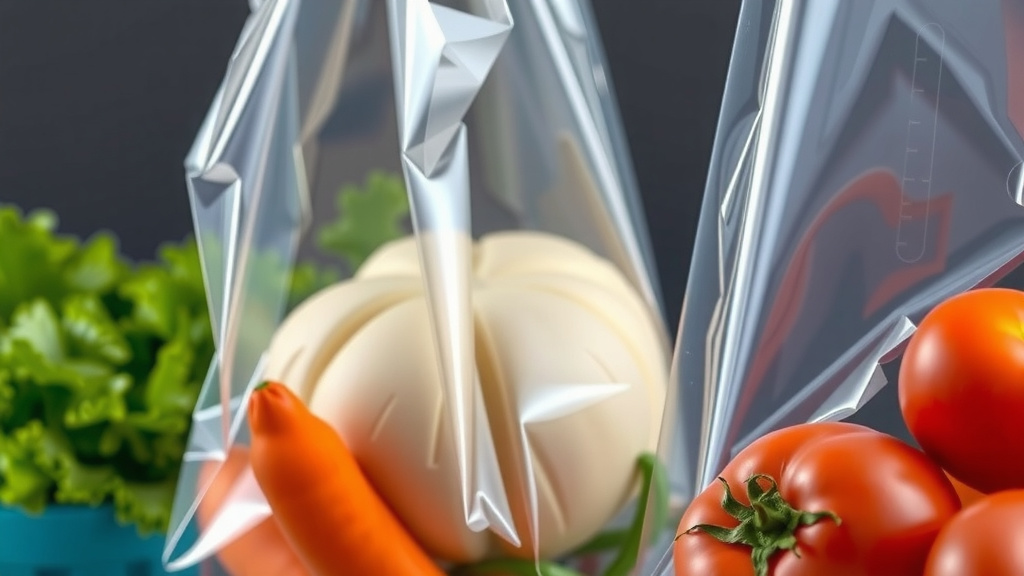
Let’s put it all into perspective. You can see how much difference vacuum sealing makes:
| Storage Method | Typical Shelf Life (Refrigerator) | Typical Shelf Life (Freezer) |
|---|---|---|
| Fresh (Unsealed) | 3-7 days (varies by vegetable) | N/A (will degrade over time) |
| Vacuum-Sealed (Refrigerator) | 1-2 weeks | N/A |
| Vacuum-Sealed (Freezer) | N/A | 2-3 years |
Best Practices for Maximizing Vacuum-Sealed Vegetable Life
Want to get the absolute most out of your vacuum-sealed veggies? Here are a few tips:
- Start Fresh: Always begin with high-quality, fresh vegetables.
- Wash and Dry: Ensure vegetables are clean and thoroughly dried before sealing. Excess moisture can lead to spoilage, even when sealed.
- Blanch Appropriately: For long-term freezer storage, blanch most vegetables first.
- Cool Down: After blanching, cool vegetables completely in an ice bath before vacuum sealing.
- Use Quality Bags: Invest in durable vacuum seal bags designed for food storage.
- Check the Seal: Always double-check that you have a complete, airtight seal before storing.
Conclusion
You’ve learned how vacuum sealing dramatically extends the life of your vegetables, both in the refrigerator and freezer. By removing oxygen, you’re effectively slowing spoilage and preventing freezer burn, saving you money and reducing waste. Remember, starting with fresh produce and proper preparation like blanching for freezing are key to maximizing these benefits. Now you can confidently stock up on your favorite veggies, knowing they’ll stay fresh and delicious for longer!
Frequently Asked Questions
Can I vacuum seal vegetables without blanching them?
You can, but it’s not recommended for long-term freezer storage. Blanching deactivates enzymes that can degrade flavor, color, and texture over time, even when vacuum-sealed. For refrigerator storage, unblanched vegetables are generally fine.
What happens if there’s a small leak in my vacuum-sealed bag?
A small leak allows oxygen back into the bag. This can lead to faster spoilage for refrigerated vegetables and increase the risk of freezer burn for frozen ones. It’s best to reseal the bag if you notice any leaks.
Do different types of vegetables have different vacuum-sealed shelf lives?
Yes, they do. While we’ve given general ranges, some vegetables naturally last longer than others. For instance, dense root vegetables might hold up better than delicate leafy greens, even when vacuum-sealed.
How do I know if my vacuum-sealed vegetables have gone bad?
Look for signs of spoilage such as mold, sliminess, an off odor, or discoloration. For frozen vegetables, excessive ice crystals on the surface can also indicate quality degradation or a compromised seal.
Is it safe to eat vegetables that have been vacuum-sealed for a long time?
If stored properly and showing no signs of spoilage, vacuum-sealed vegetables are safe to eat within their recommended shelf lives. Always inspect your food before consuming it, regardless of how it’s stored.