Vacuum Sealed Veggies in Freezer: How Long They Last
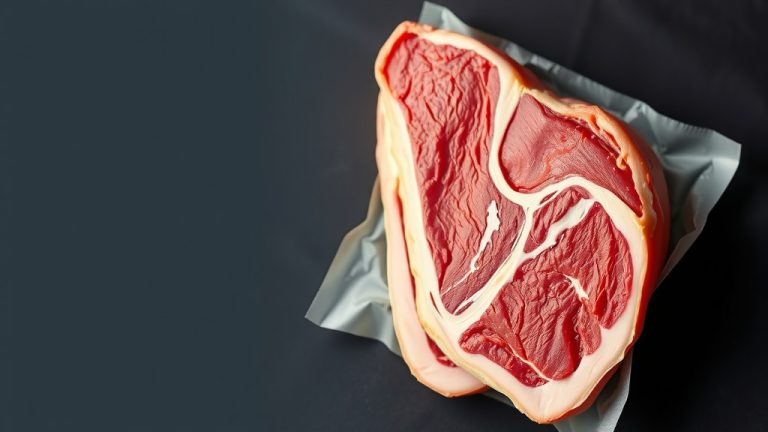
You can keep vacuum-sealed vegetables in the freezer for a surprisingly long time. Generally, they will last between 8 to 12 months while maintaining excellent quality. Properly sealed and frozen vegetables also remain safe to eat indefinitely, though their texture and flavor might change over extended periods.
Freezing is a fantastic way to preserve produce. Vacuum sealing takes it a step further. It removes air, which helps prevent freezer burn. This method keeps your veggies tasting fresh for your next meal. Think of it as giving your vegetables a cozy, air-free nap.
- Vacuum-sealed veggies last 8-12 months for best quality.
- They are safe to eat beyond that, but quality may decline.
- Vacuum sealing prevents freezer burn.
- This method helps retain flavor and texture.
We know you want to make the most of your frozen produce. Let’s look at the details to help you manage your freezer stash like a pro.
How Long Do Vacuum-Sealed Vegetables Stay Good in the Freezer?
You’re probably wondering just how long those perfectly vacuum-sealed vegetables will keep their goodness in your freezer. Research suggests that when sealed properly, vegetables can maintain **excellent quality for about 8 to 12 months** in the freezer. This is the sweet spot where they’ll taste the freshest and have the best texture.
Beyond that 12-month mark, they remain **safe to eat indefinitely**, but you might notice a change in their crispness or a slight drop in flavor intensity. Think of it like a favorite song you’ve listened to a million times; it’s still great, but maybe not quite as thrilling as the first listen.
Understanding Freezer Preservation
Freezing is a science that slows down the natural processes that cause food to spoil. When you freeze vegetables, you’re essentially putting them into a deep sleep. The cold temperatures stop or significantly slow down the growth of bacteria and other microorganisms.
The Role of Vacuum Sealing
Now, let’s talk about why vacuum sealing is your freezer’s best friend. Regular freezer bags can let air sneak in. This air is the main culprit behind **freezer burn**. Freezer burn happens when ice crystals form on the surface of the food, dehydrating it and giving it that unpleasant dry, leathery texture and off-flavor.
Vacuum sealing removes almost all the air from the package. This creates a tight seal around your vegetables. It’s like tucking them into a perfectly fitted, protective cocoon. This barrier **prevents moisture loss** and drastically reduces the chances of freezer burn. You’ll find your veggies retain more of their natural color, flavor, and nutrients.
Why Air is the Enemy of Frozen Veggies
So, what makes air so bad for frozen produce? It’s a combination of things. Oxygen in the air can lead to oxidation, which degrades nutrients and flavor over time. Also, when air gets trapped, it can freeze into sharp ice crystals that damage the cell structure of the vegetables. This damage is what leads to that mushy texture when you thaw them.
By removing the air, vacuum sealing essentially **starves the spoilage process** of its fuel. It’s a simple yet incredibly effective way to extend the life and quality of your frozen vegetables. Many food safety experts agree that reducing air exposure is key to long-term frozen storage.
Factors Affecting Vegetable Shelf Life
While 8-12 months is a good general guideline, several factors can influence how long your vacuum-sealed vegetables truly last in the freezer. It’s not just about the seal; it’s also about the veggie itself and how you handle it.
Type of Vegetable Matters
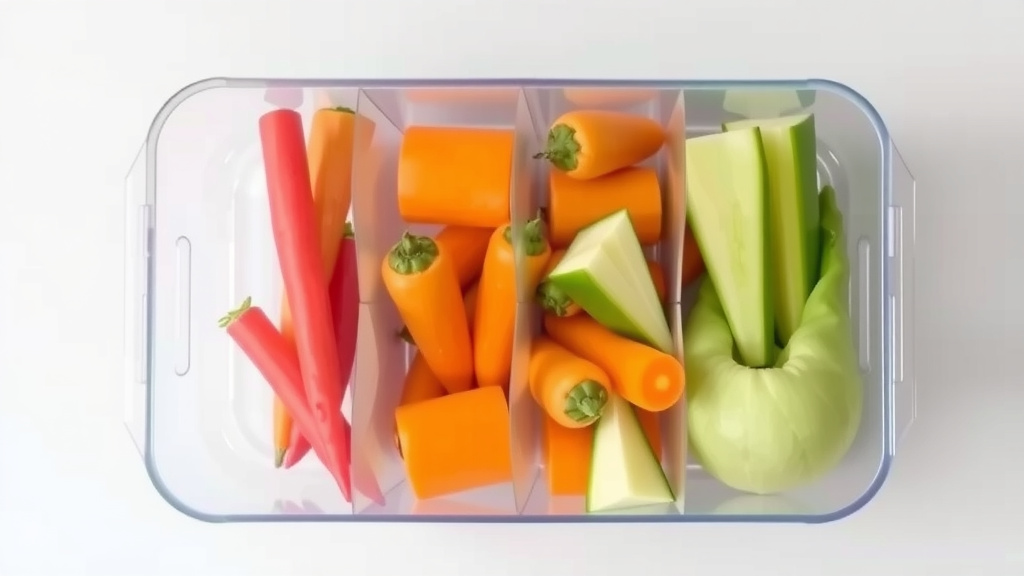
Different vegetables have different water content and cellular structures. Some vegetables, like sturdy root vegetables (carrots, potatoes) or dense leafy greens (kale, spinach), tend to hold up better over long periods in the freezer. Softer vegetables, like zucchini or mushrooms, might not maintain their ideal texture for quite as long, even when vacuum-sealed.
We found that the **moisture content** is a big player. Vegetables with higher water content are more susceptible to ice crystal formation and texture changes. Blanching vegetables before freezing also plays a role. Blanching slightly cooks the vegetables, which deactivates enzymes that can degrade quality over time.
Blanching: A Crucial Step
Have you ever wondered why some frozen vegetables look and taste so much better than others? Often, it’s because they were blanched before freezing. Blanching involves briefly boiling or steaming vegetables and then plunging them into ice-cold water. This process stops enzymatic action.
Why is this so important for freezing? Enzymes are naturally present in vegetables. Even at freezing temperatures, these enzymes can continue to work slowly. This can lead to a **loss of color, flavor, and vitamins** over time. Blanching effectively neutralizes these enzymes, making your vegetables more resilient in the freezer.
Many food preservation guides, including those from university extension offices, strongly recommend blanching most vegetables before freezing. It’s a small step that makes a big difference in the quality you’ll enjoy months down the line.
Freezer Temperature Consistency
Your freezer’s temperature plays a critical role. A consistent **freezer temperature of 0°F (-18°C) or below** is ideal for long-term storage. Fluctuations in temperature can cause ice crystals to melt and refreeze, which damages the food’s structure.
Think about opening your freezer door frequently or placing warm items inside. These actions can cause temperature spikes. A stable temperature ensures that your vacuum-sealed vegetables remain in a state of deep freeze, preserving their quality for the maximum possible time. We recommend checking your freezer’s thermometer periodically to ensure it’s staying consistently cold.
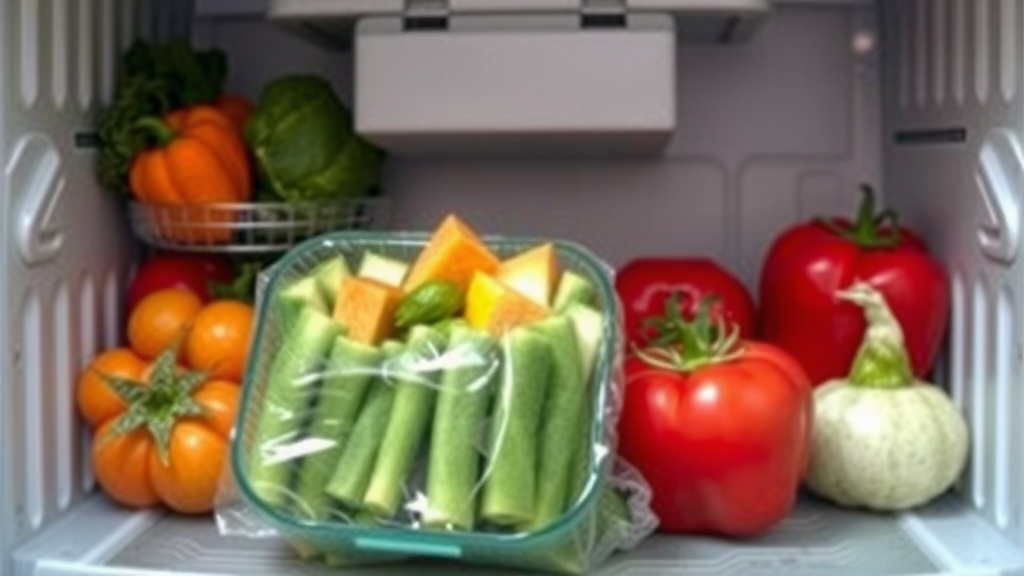
Maximizing Your Frozen Vegetable’s Lifespan
Want to ensure your frozen veggies are as good as the day you sealed them? Here are a few tips to help you maximize their lifespan and quality:
- Start with Freshness: Always freeze the freshest produce possible. Don’t try to freeze vegetables that are already past their prime.
- Proper Blanching: Ensure you blanch vegetables correctly if they require it. Underscoring this step helps maintain quality.
- Cool Down Completely: Let vegetables cool entirely after blanching before vacuum sealing and freezing. Warm items can warm up other frozen foods.
- Seal Tightly: Double-check that your vacuum sealer has removed as much air as possible. No air pockets allowed!
- Label Everything: Date and label each package. This helps you keep track of what you have and when it went in.
- Organize Your Freezer: Store packages efficiently. Avoid cramming them in, which can lead to temperature inconsistencies.
Signs Your Frozen Veggies Might Be Past Their Prime
Even with vacuum sealing, there are signs that your vegetables might be past their best quality. It’s good to know what to look for:
- Extreme Dryness or Toughness: If the vegetables feel unusually dry, brittle, or leathery, they’ve likely experienced significant freezer burn.
- Discoloration: While some natural color changes can occur, drastic darkening or graying might indicate quality degradation.
- Off Smells: If the vegetables smell rancid, moldy, or unpleasantly sour, it’s best to discard them.
- Unpleasant Texture: If upon thawing, the texture is excessively mushy, slimy, or stringy beyond what’s expected for that vegetable type, it might be time to let them go.
Remember, if there’s ever any doubt about the safety of your food, it’s always best to err on the side of caution and discard it. Food safety guidelines from organizations like the CDC always recommend trusting your senses.
| Vegetable Type | Estimated Quality Shelf Life | Notes |
|---|---|---|
| Root Vegetables (Carrots, Potatoes) | 12-18 months | Often retain texture well. |
| Leafy Greens (Spinach, Kale) | 8-12 months | Best when blanched. |
| Cruciferous Veggies (Broccoli, Cauliflower) | 10-14 months | Blanching is recommended. |
| Peas, Corn, Beans | 10-14 months | Good quality for a long time. |
| Softer Veggies (Zucchini, Mushrooms) | 6-10 months | Texture may degrade faster. |
This table provides a general idea. Always check your produce. The goal is to enjoy delicious, healthy vegetables whenever you need them!
Conclusion
You now know that vacuum-sealed vegetables can last between 8 to 12 months in your freezer for the best quality. While they stay safe to eat much longer, maintaining that fresh-from-the-garden taste and texture is key. Remember that factors like blanching and consistent freezer temperature play a huge role in preservation.
By following these best practices and understanding what to look for, you can confidently stock your freezer and enjoy delicious, healthy vegetables year-round. So go ahead, seal those veggies tight and give your future self a delicious meal!
Frequently Asked Questions
Can I freeze vegetables without vacuum sealing and still expect them to last long?
You can freeze vegetables without vacuum sealing, but they likely won’t last as long in terms of quality. Standard freezer bags can allow air in, leading to freezer burn much faster than vacuum-sealed options. You’ll probably see a decline in quality within 4-6 months.
What happens if I eat vegetables that have been frozen for over a year?
If vegetables have been properly stored at 0°F (-18°C) or below, they will remain safe to eat indefinitely. However, you might notice changes in texture, flavor, and nutritional value. They could become mushy, less flavorful, or develop freezer burn.
Is it really necessary to blanch vegetables before vacuum sealing and freezing?
Yes, blanching is highly recommended for most vegetables before freezing, even when vacuum sealing. It deactivates enzymes that can degrade color, flavor, and nutrients over time. While vacuum sealing prevents freezer burn, blanching helps preserve the internal quality of the vegetables.
How does the type of vegetable affect how long it lasts in the freezer?
Denser vegetables with lower water content, like root vegetables or sturdy greens, tend to hold up better and longer in the freezer. Softer vegetables, such as zucchini or mushrooms, have higher water content and can experience texture changes more quickly, reducing their optimal shelf life.
What’s the best way to store vacuum-sealed vegetables in the freezer to maximize their lifespan?
Store your vacuum-sealed vegetables in a consistent freezer temperature of 0°F (-18°C) or below. Avoid overcrowding your freezer, as this can lead to temperature fluctuations. Organizing them so they aren’t constantly being shifted around also helps prevent damage to the packages.

![7 Best Gravel Vacuum For 5 Gallon Tank [2026]](https://bathroomexplorer.com/wp-content/uploads/2026/05/7-best-gravel-vacuum-for-5-gallon-tank-2026-featured-768x432.jpg)