Vacuum Sealing: How Much Shelf Life Will It Add
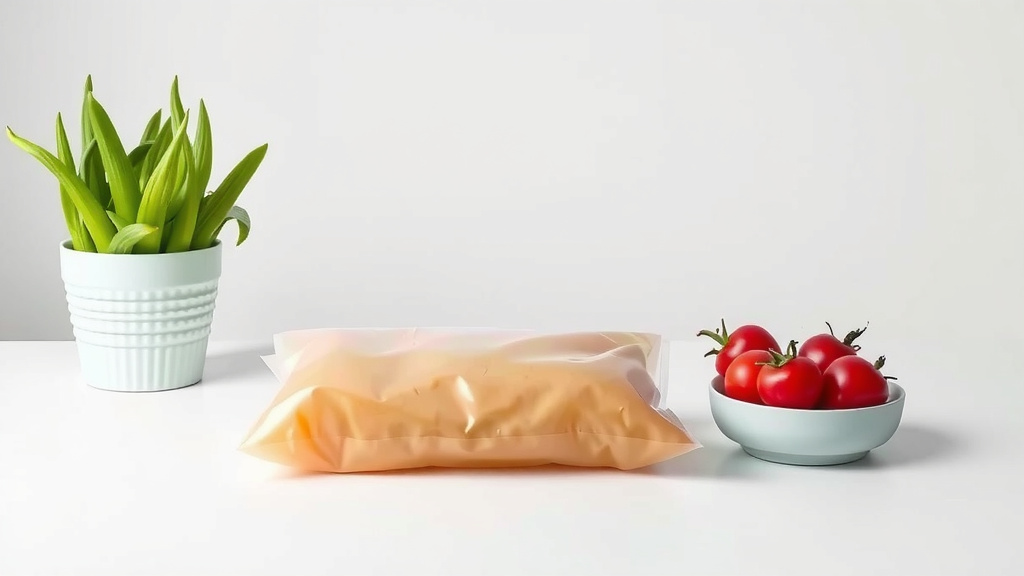
Vacuum sealing can significantly extend food shelf life, often by 3 to 5 times longer than traditional storage methods. This process removes air, which is key to preventing spoilage. You’ll find that vacuum-sealed foods stay fresher for much longer.
Think about your leftovers or pantry staples. When you remove the air, you’re slowing down oxidation and inhibiting the growth of bacteria and mold. This means less waste and more savings for your household. It’s a smart way to keep your food delicious and safe to eat.
- Vacuum sealing extends food life by 3-5x.
- It prevents spoilage by removing air.
- This slows oxidation and stops bacteria.
- Less food waste means more money saved.
- Your food stays fresh and safe to eat.
We’ve gathered the key information to help you understand just how much longer your food can last. Let’s get into the specifics of vacuum sealing and shelf life.
Extending Food’s Freshness: How Long Does Vacuum Sealing Last?
You’re probably wondering just how much longer your food can stay good when it’s vacuum-sealed. The short answer is: much, much longer. We’re talking about stretching shelf life by as much as 3 to 5 times compared to typical storage methods like plastic wrap or regular bags.
This isn’t magic; it’s science. Removing the air is the secret weapon. Air is full of oxygen. Oxygen feeds the microbes that cause food to spoil. It also leads to freezer burn and changes in texture and flavor. When you vacuum seal, you take away that oxygen-rich environment. This means less oxidation and a slower march towards spoilage.
The Science Behind the Seal: Why It Works
Think of air as a party crasher for your food. It brings along unwelcome guests like bacteria, mold, and enzymes. These guys love to eat away at your food, making it go bad. Vacuum sealing basically kicks these party crashers out.
Slowing Down Oxidation
Oxidation is like a slow rust on your food. It changes the color, taste, and nutritional value. For example, an apple will turn brown quickly once cut because it’s exposed to air. Vacuum sealing drastically slows this process. Your berries will keep their vibrant red longer. Your meats won’t develop that off-color.
Battling Bacteria and Mold
Most spoilage microorganisms need oxygen to thrive. When you remove the air, you create an environment that is hostile to them. This doesn’t kill them all, but it puts them on pause. Without oxygen, they can’t multiply as rapidly.
A Note on Anaerobic Bacteria
It’s important to know that some bacteria, called anaerobic bacteria, don’t need oxygen. They can actually grow in low-oxygen environments. This is why vacuum sealing is not a substitute for proper cooking and refrigeration. For foods that require specific preservation methods, always follow food safety guidelines.
Preventing Freezer Burn
Freezer burn is that dry, icy, and unappetizing surface that forms on frozen foods. It happens when food is exposed to cold, dry air. Vacuum sealing creates a protective barrier. This barrier prevents moisture loss and air exposure, keeping your frozen items from getting freezer-scathed.
How Long Can Different Foods Last?
The exact extension of shelf life varies by food type. However, you can expect impressive gains across the board. Here’s a look at some common categories:
Meats and Poultry
Fresh meat or poultry stored in the refrigerator might last 1-2 days. Vacuum-sealed in the fridge, this can easily extend to 6-7 days. When frozen, vacuum-sealed meat can last for 2-3 years, compared to about 6-12 months in regular packaging.
Fish
Fresh fish is very delicate. It usually only lasts a day or two in the fridge. Vacuum-sealed, that extends to about 3-4 days. Frozen fish, when vacuum-sealed, can last a year or more, avoiding that dreaded freezer burn.
Vegetables and Fruits
Most fruits and vegetables last about a week in the fridge. When vacuum-sealed, many can last 2-3 weeks. Some hardy vegetables like carrots or potatoes might last even longer. Berries, which are quite delicate, benefit immensely from the reduced bruising and air exposure.
Cheeses
Hard cheeses, like cheddar or parmesan, can last for weeks or months in the fridge. Vacuum sealing can push that to 4-8 months or even longer, preserving their flavor and texture. Softer cheeses benefit too, though they have a shorter shelf life overall.
Dry Goods
Think grains, beans, rice, pasta, nuts, and dried fruit. These often have long shelf lives already. Vacuum sealing can double or even triple that. It protects them from moisture, pests, and oxidation, ensuring they stay fresh for years.
A Practical Comparison
To give you a clearer picture, let’s look at a table. This shows typical shelf life comparisons. Remember, these are general guidelines.
| Food Item | Standard Storage (Fridge/Pantry) | Vacuum Sealed (Fridge/Pantry) | Standard Frozen | Vacuum Sealed Frozen |
|---|---|---|---|---|
| Ground Beef | 1-2 days | 6-7 days | 4 months | 2-3 years |
| Chicken Breast | 1-2 days | 6-7 days | 1 year | 2-3 years |
| Berries | 3-7 days | 10-14 days | 6-8 months | 1-2 years |
| Hard Cheese | 2-4 weeks | 4-8 months | N/A (can dry out) | N/A (can dry out) |
| Beans (Dry) | 1-2 years | 2-5 years | N/A | N/A |
Tips for Maximizing Shelf Life with Vacuum Sealing
Getting the most out of your vacuum sealer involves a few smart practices. It’s not just about pressing a button. You want to ensure you’re sealing your food in the best possible condition.
Start with Freshness
Vacuum sealing preserves food; it doesn’t magically make old food fresh again. Always start with the freshest ingredients possible. This is your first and best step to a longer shelf life.
Proper Cooling
If you’re sealing cooked leftovers or meats you plan to freeze, make sure they are properly cooled first. Sealing hot food can create condensation inside the bag. This can lead to bacterial growth. Let food cool to room temperature or refrigerate it until chilled. Then, you can seal it. Experts often advise cooling food rapidly to reduce the time spent in the “danger zone” (between 40°F and 140°F) where bacteria multiply quickly (CDC).
Choose the Right Bags
Use high-quality, food-grade vacuum seal bags. These are designed to be durable and to create a proper airtight seal. Some bags are better suited for liquids or sharp items. Investing in the right bags makes a difference.
Seal Liquids Carefully
For liquids like soups or broths, you might need to freeze them slightly in a container first. Then, transfer the semi-frozen block to a vacuum bag. Alternatively, you can place a paper towel between the liquid and the seal line to absorb any stray drips. This helps ensure a strong, reliable seal.
Label Everything!
This might seem simple, but it’s often overlooked. Label each bag with the contents and the date it was sealed. This is incredibly helpful, especially when you have many vacuum-sealed items. It helps you track inventory and use older items first.
Is Vacuum Sealing Always the Best Option?
While vacuum sealing offers fantastic benefits, it’s not a universal solution for all foods or all storage situations. Some items are better left in their original packaging or stored differently.
Foods to Be Cautious With
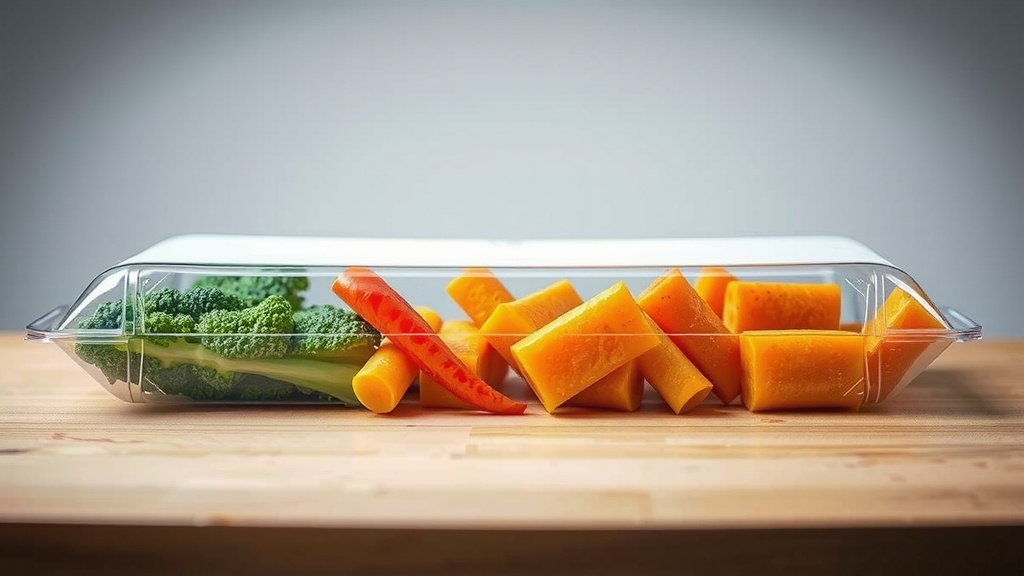
Some vegetables, like broccoli, cauliflower, or cabbage, release ethylene gas even after sealing. This can cause them to spoil faster. It’s often recommended to blanch these vegetables before vacuum sealing and freezing. Similarly, soft cheeses might not benefit as much as hard cheeses. They can become a bit compressed and lose texture.
When Refrigeration or Freezing is Still Key
Remember, vacuum sealing enhances refrigeration and freezing; it doesn’t replace them. Foods that need to be kept cold still need to be stored in the refrigerator or freezer. Vacuum sealing just keeps them fresher for longer within those environments.
Quick Checklist for Longer Food Life
Want to get started or improve your vacuum sealing game? Here’s a quick rundown:
- Start with the freshest food possible.
- Cool cooked foods before sealing.
- Use high-quality vacuum seal bags.
- Label bags with contents and date.
- Blanch certain veggies before freezing.
- Always refrigerate or freeze as needed.
Conclusion
You’ve learned that vacuum sealing is a powerful tool for your kitchen. By removing air, you effectively slow down spoilage, keeping your food fresher for much longer. This means you can enjoy your purchases and leftovers with confidence, drastically reducing waste and saving money. Remember to always start with fresh ingredients and follow best practices for cooling and sealing. Now, you’re ready to put your vacuum sealer to work and make your food last!
Frequently Asked Questions
How does vacuum sealing actually stop food from going bad?
Vacuum sealing removes oxygen, which is what most bacteria and mold need to grow and spoil your food. It also prevents freezer burn by stopping air from reaching the food’s surface. This significantly slows down the natural decay process.
Can I vacuum seal pre-cooked meals and reheat them?
Yes, you absolutely can! Vacuum sealing is great for pre-cooked meals you want to store in the fridge or freezer. When you’re ready to eat, you can reheat the food directly in the bag (if the bag is suitable for heating) or transfer it to a pan or microwave.
Does vacuum sealing work on all types of food?
It works on most foods, but there are exceptions. Foods like certain vegetables (broccoli, cauliflower) might need to be blanched first, and very soft items like some cheeses can get a bit flattened. Always check for specific recommendations for tricky items.
How do I know if my vacuum-sealed food has gone bad?
Always use your senses! Even when vacuum-sealed, food can spoil. Look for any unusual discoloration, foul odors, or signs of mold. If you have any doubts about the safety of your food, it’s best to discard it.
Does vacuum sealing replace the need for refrigeration or freezing?
No, vacuum sealing enhances refrigeration and freezing; it doesn’t replace them. Foods that require cold temperatures to prevent rapid spoilage must still be kept in the refrigerator or freezer. Vacuum sealing just extends their safe storage time within those environments.


![7 Best Industrial Vacuum Cleaner For Fine Dust [2026]](https://bathroomexplorer.com/wp-content/uploads/2026/06/7-best-industrial-vacuum-cleaner-for-fine-dust-2026-featured-768x432.jpg)