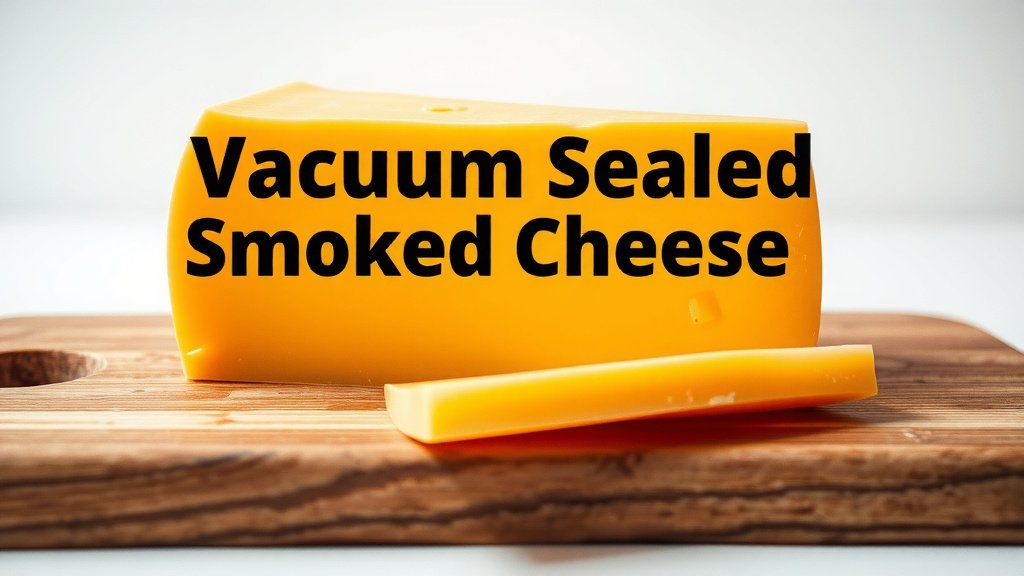
Vacuum Sealed Smoked Cheese Shelf Life Explained
Vacuum sealed smoked cheese can last a surprisingly long time, typically anywhere from 2 to 6 months when stored properly in your refrigerator. This extended shelf life is thanks to the vacuum sealing process, which removes oxygen and inhibits the growth of spoilage-causing bacteria.
You might be wondering if this cheese is still safe to eat after all that time. Generally, if the vacuum seal remains intact and there are no signs of spoilage, it should be perfectly fine. We found that the type of cheese and the smoking method can also play a role in its longevity.
- Vacuum sealed smoked cheese lasts 2-6 months in the fridge.
- Proper storage is key for safety.
- Look for signs of spoilage before eating.
- Type of cheese and smoking affect shelf life.
Let’s get into the specifics of how long your delicious vacuum sealed smoked cheese will stay fresh, and what you should look out for.
How Long Does Vacuum-Sealed Smoked Cheese Really Last?
So, you’ve got some delicious vacuum-sealed smoked cheese, and you’re wondering just how long you can keep it around. We found that for properly sealed smoked cheese, you’re generally looking at a shelf life of anywhere from 2 to 6 months when it’s stored in the refrigerator. This isn’t just a wild guess; it’s thanks to the vacuum-sealing process itself. By removing nearly all the air, it creates an environment where spoilage-causing bacteria and mold have a much harder time growing. Think of it like giving your cheese a little protective bubble!
Understanding the Factors That Influence Shelf Life
While 2 to 6 months is a good general guideline, several factors can actually nudge that number one way or the other. It’s not always a one-size-fits-all situation. Understanding these can help you get the most out of your cheese and know what to expect.
The Type of Cheese Matters
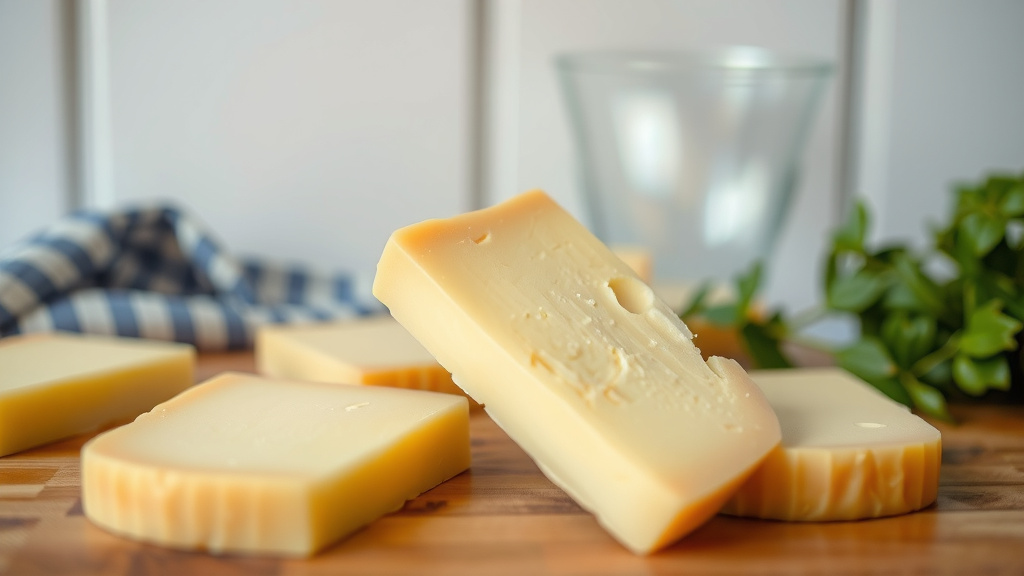
Not all cheeses are created equal when it comes to longevity, and this holds true for smoked varieties too. Harder, drier cheeses naturally contain less moisture. This makes them more resistant to bacterial growth. So, a smoked cheddar or gouda will likely outlast a softer smoked cheese, like a smoked brie, even when vacuum-sealed.
We found that cheeses with a lower water content, such as those aged for a longer period, tend to have the longest shelf lives. Think of it like this: less water means less playground for microbes. This is why aged Parmesan, even when smoked, can last a very long time.
The Smoking Process Itself
The way the cheese was smoked also plays a role. Different smoking methods can affect the cheese’s surface and, in turn, its ability to preserve itself. Cold smoking, for instance, is a process that often involves lower temperatures and longer durations. This can impart a deeper flavor and may also contribute to a longer shelf life compared to hot smoking, which cooks the cheese more.
Research has shown that the compounds present in wood smoke can have natural antimicrobial properties. This means the smoking process itself can act as a preservative. The type of wood used for smoking can also influence these compounds. Different woods yield different flavor profiles and potentially different preservative effects.
The Quality of the Vacuum Seal
This is perhaps the most critical factor once the cheese is packaged. A perfect vacuum seal is your best friend when it comes to extending shelf life. If the seal is compromised at all – even by a tiny leak – oxygen can get in. This can quickly speed up the spoilage process, cutting down that 2-6 month window significantly.
When you buy vacuum-sealed cheese, always check the packaging. It should look taut and completely sealed. If you’re vacuum sealing it yourself, make sure your machine is working correctly and that you’re using good quality bags. A faulty seal is like a hole in your cheese’s armor.
Signs Your Smoked Cheese Might Be Past Its Prime
Even with the best storage, cheese won’t last forever. It’s always important to use your senses to check if your cheese is still good to eat. Don’t just blindly trust the date; look and smell!
Visual Clues to Watch For
The most obvious sign is visible mold. If you see any fuzzy or discolored patches that aren’t supposed to be there (some cheeses have natural rinds, but this is usually distinct), it’s best to discard the cheese. This is especially true if the mold is green, pink, or orange. For hard cheeses, a small amount of mold on the surface can sometimes be cut away, but for softer cheeses, it’s generally recommended to toss the whole thing (U.S. Department of Agriculture).
Another visual cue might be a change in texture. Is the cheese unusually slimy, sticky, or dried out and crumbly beyond what’s normal for that type? These can all be indicators that the cheese is no longer at its best.
The Smell Test: Does it Pass?
Your nose knows! Cheese has a distinctive smell, but when it goes bad, that smell often becomes overpowering, pungent, or even smells like ammonia. If the aroma seems “off” or unpleasant, it’s a strong signal to steer clear. Trust your instincts here.
Sometimes, a cheese might look okay but have a strange smell. We found that this is often a sign of bacterial growth that isn’t visible yet. The ammonia smell, in particular, can indicate that proteins are breaking down, which is a sign of spoilage.
Storage Best Practices for Extended Freshness
Want to maximize that 2-6 month window? Proper storage is your secret weapon. It’s not complicated, but consistency is key.
Refrigeration is Non-Negotiable
This one might seem obvious, but it’s worth stating clearly. Vacuum-sealed smoked cheese must be kept refrigerated. The cold temperature slows down the metabolic processes of the cheese and inhibits the growth of microorganisms. Aim for a refrigerator temperature of 40°F (4°C) or below. Consistently keeping it at the right temperature is vital.
Keep it Away from Temperature Fluctuations
Try to store your cheese in a part of the refrigerator that doesn’t experience frequent temperature changes. The door is often the warmest part due to opening and closing. A middle shelf is usually a better spot. Extreme temperature swings can stress the cheese and potentially compromise the seal over time.
What to Do After Opening the Seal
Once you break that vacuum seal, the clock starts ticking much faster. The cheese is now exposed to air and the environment in your fridge. After opening, wrap any remaining cheese tightly in plastic wrap or cheese paper, and then place it in an airtight container or a resealable bag. This will help prevent it from drying out and absorbing other odors from your refrigerator.
We found that once opened, most vacuum-sealed smoked cheeses should be consumed within 1 to 2 weeks. This is a significant drop from the unopened shelf life, so plan accordingly to enjoy your cheese!
A Quick Checklist for Stored Smoked Cheese
Before you cut into that vacuum-sealed smoked cheese, run through this quick mental checklist. It’s a great way to ensure you’re enjoying your cheese safely and deliciously.
- Is the vacuum seal completely intact with no visible damage or leaks?
- Does the cheese have a normal, pleasant aroma for its type?
- Are there any signs of fuzzy, discolored, or unusual mold growth?
- Has the cheese’s texture changed dramatically (e.g., overly slimy or dry)?
- Has the cheese been stored consistently at the proper refrigerator temperature?
- If opened, has it been stored properly and consumed within the recommended 1-2 weeks?
Conclusion
You’ve learned that vacuum-sealed smoked cheese offers a fantastic shelf life, typically 2 to 6 months in the fridge if sealed properly. Remember, the type of cheese and how it was smoked play a part, but a solid seal is your best defense against spoilage. Always trust your eyes and nose to check for any signs that your cheese might be past its prime before you enjoy it. So go ahead, grab that smoked cheese with confidence, but keep those storage best practices in mind to savor every bite!
Frequently Asked Questions
Can I freeze vacuum-sealed smoked cheese to make it last even longer?
Freezing vacuum-sealed smoked cheese is a great option if you want to extend its shelf life significantly, often for up to a year. While freezing is effective, we found that it can sometimes alter the texture, making the cheese a bit more crumbly once thawed. It’s generally best for cooking or melting applications after freezing.
What if my vacuum-sealed smoked cheese package is slightly puffed up?
A slightly puffed-up package could indicate that the seal has been compromised and bacteria have begun to produce gases. While some cheeses naturally expand a bit due to aging, a noticeable puffiness, especially with smoked cheese, is often a sign to be cautious. We recommend checking for other spoilage signs or discarding it to be safe.
Is it safe to eat vacuum-sealed smoked cheese if there’s a tiny bit of white mold on it?
For hard cheeses, a small amount of white mold on the surface can sometimes be cut away, about an inch around and below the mold spot. However, for softer cheeses or if the mold appears in colors other than white (like blue, green, or pink), it’s best to discard the entire piece. We found that mold can penetrate deeper than it appears.
How does vacuum sealing compare to other storage methods for smoked cheese?
Vacuum sealing dramatically extends the life of smoked cheese compared to simply wrapping it in plastic wrap or foil. By removing oxygen, it prevents the growth of mold and bacteria much more effectively. While regular wrapping is okay for short-term storage (days to a week or two), vacuum sealing is the champion for longer preservation in the refrigerator.
What are the best types of smoked cheese for long-term vacuum-sealed storage?
Harder, lower-moisture cheeses generally fare best for long-term vacuum-sealed storage. Think smoked cheddars, gouda, provolone, and Swiss. Their density and reduced water content naturally resist spoilage. Softer or higher-moisture smoked cheeses, like smoked brie or mozzarella, will typically have a shorter shelf life, even when vacuum-sealed.

![7 Best Cheap Vacuum For Carpet And Hardwood [2026]](https://bathroomexplorer.com/wp-content/uploads/2026/05/7-best-cheap-vacuum-for-carpet-and-hardwood-2026-featured-768x432.jpg)