
How Long Should Your Dyson Vacuum Last A Guide
So, you’re wondering, “How long should my Dyson vacuum last?” Most Dyson vacuums, with proper care, are built to last 7 to 10 years. Some owners even report their trusty Dyson outlasting this estimate, becoming a long-term cleaning companion. It really depends on how you treat it and which model you own.
Dyson vacuums are known for their advanced technology and robust build quality. While they represent an investment, their longevity is a key selling point. Regular maintenance is absolutely essential for getting the most out of your machine.
- Your Dyson vacuum can last 7-10 years or more.
- Proper maintenance is key to its lifespan.
- Older models might have different lifespans than newer ones.
- Usage frequency impacts how long it will serve you.
Let’s dive into what goes into making your Dyson last and how you can help it reach its full potential.
Understanding Your Dyson’s Lifespan
So, you’re curious about how long your trusty Dyson vacuum is designed to serve you. Most Dyson vacuums, when cared for properly, are built to last a solid 7 to 10 years. Some dedicated owners even report their machines chugging along happily for even longer, becoming a loyal cleaning partner. Think of it like a good pair of shoes; how long they last often depends on how you treat them and the quality of the original product.
Dyson vacuums are engineered with advanced technology and a reputation for durable build quality. This longevity is a major reason why many people choose Dyson when they decide to invest in a vacuum cleaner. To get the most out of your investment, consistent maintenance is absolutely essential. It’s not just about picking it up and cleaning; it’s about caring for the tool itself.
Factors Influencing Your Dyson’s Longevity
Several key elements contribute to how long your Dyson vacuum will perform at its best. Understanding these factors can help you make informed decisions about its care and usage.
Usage Frequency: More Use, More Wear
The more you use your Dyson, the more wear and tear it will naturally experience. If you vacuum your whole house daily, especially with pets or a large family, your vacuum is working harder. This frequent use can lead to components experiencing more stress over time. Even a high-quality machine has limits, and consistent heavy use is a primary factor in its lifespan.
Maintenance Habits: The Golden Rule
This is arguably the biggest determinant of your Dyson’s lifespan. Just like your car needs oil changes and your body needs regular check-ups, your vacuum needs routine cleaning and upkeep. Neglecting simple maintenance tasks can lead to premature part failure and a significant reduction in performance. Think of maintenance as your vacuum’s health insurance.
The Importance of Filter Cleaning and Replacement
Your Dyson’s filters are its lungs. They trap dust and allergens, keeping your air clean. Over time, these filters become clogged. A dirty filter restricts airflow, making your vacuum work harder, lose suction power, and potentially overheat. Dyson recommends washing most washable filters monthly and replacing them annually or as needed. This simple step can dramatically extend your vacuum’s life and maintain its cleaning power (Dyson Official Guides).
Emptying the Bin Regularly
It might sound obvious, but not emptying the bin can cause problems. A full bin restricts airflow, just like a dirty filter. This not only reduces suction but can also cause dust to be expelled back into the air, defeating the purpose of vacuuming. Aim to empty the bin before it reaches the MAX line. This prevents dust from being forced back into the motor or filter system.
Model Type and Age: Newer Isn’t Always Better
Dyson releases new models with updated features and technology regularly. While newer models might have improved efficiency or power, older, well-maintained models can still be incredibly effective and durable. Sometimes, simpler older designs might even prove more robust in the long run. However, specific component designs and materials can vary between generations, potentially influencing their expected lifespan.
Storage and Handling: Treat it Gently
How you store your Dyson matters. Avoid leaving it in extreme temperatures, damp environments, or in a place where it could be easily knocked over. Rough handling, such as yanking the cord or dropping the wand, can damage internal components or the casing. Proper storage and gentle handling protect your vacuum from accidental damage.
Signs Your Dyson Might Need Some TLC
Your vacuum will often tell you when something is wrong. Paying attention to these signs can help you address issues before they become major problems.
- Reduced Suction Power: This is the most common sign. It usually indicates a blockage, a full bin, or a dirty filter.
- Unusual Noises: Strange grinding, whining, or rattling sounds can signal motor issues or something caught in the brush bar or airways.
- Overheating: If your Dyson feels unusually hot or shuts off unexpectedly, it’s likely struggling due to restricted airflow or motor strain.
- Debris Blowing Back: If you notice fine dust being expelled from the machine after vacuuming, your filters might be saturated or damaged.
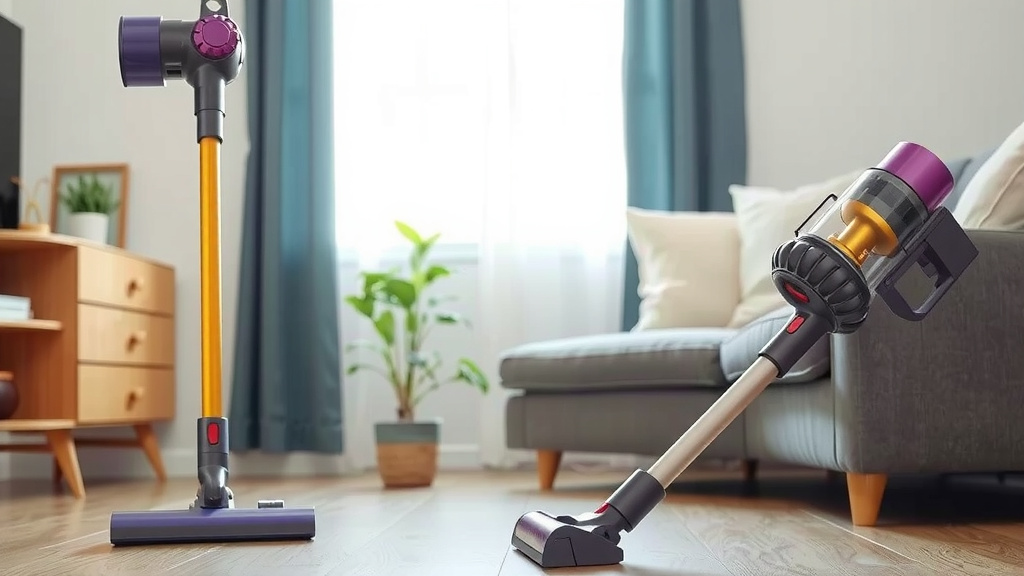
Maximizing Your Dyson’s Lifespan: A Practical Checklist
Want to ensure your Dyson serves you for years to come? Follow these simple steps:
- Clean the filters regularly. Aim for monthly washing and annual replacement.
- Empty the bin promptly. Don’t let it overfill.
- Check for blockages. Regularly inspect the wand, hose, and brush bar.
- Store your vacuum properly. Find a dry, safe spot for it.
- Handle with care. Avoid forceful movements or impacts.
- Address issues quickly. Don’t ignore warning signs like reduced suction or odd noises.
When to Consider Repair or Replacement
Even with the best care, parts can wear out. If you’ve tried basic maintenance and your Dyson is still underperforming, it might be time to consider repairs. Many common issues, like a worn-out battery or a damaged brush head, can be repaired or replaced. However, if the motor fails or the main body is severely damaged, replacement might be more cost-effective. Dyson often offers repair services or replacement parts for their machines, which can be a good option before purchasing a brand-new unit.
Conclusion
You’ve learned that your Dyson vacuum can be a long-term cleaning partner, often lasting 7 to 10 years or more with diligent care. We’ve seen how frequent use, consistent maintenance, and proper storage all play a big role in its lifespan. Don’t wait for problems to arise; make a commitment to these simple care routines.
Start by checking your filters and emptying the bin today. These small actions will help ensure your Dyson continues to perform at its best for years to come, making your cleaning routine smoother and more effective.
Frequently Asked Questions
Can a Dyson vacuum last longer than 10 years?
Yes, it’s definitely possible! While 7-10 years is a common estimate, many users report their Dysons lasting much longer. Consistent cleaning of filters, emptying the bin, and gentle handling are key factors that can extend its life well beyond the average.
How often should I really clean my Dyson’s filters?
Dyson generally recommends washing the washable filters monthly and replacing them about once a year, or more often if you vacuum frequently or have pets. Clogged filters are a major reason for reduced suction and strain on the motor, so keeping them clean is vital.
What’s the most common reason a Dyson stops working well?
The most frequent culprit is a lack of maintenance, specifically clogged filters and dust bins. Restricted airflow caused by these issues makes the vacuum work harder, lose suction, and can even lead to overheating or motor damage over time.
Is it worth repairing an old Dyson, or should I just buy a new one?
It often depends on the issue. Minor repairs like replacing a battery or a brush bar can be very cost-effective. However, if the motor or main body has significant damage, a new vacuum might be a better investment for long-term performance.
Does the specific Dyson model affect how long it will last?
Yes, model variations can play a role. Newer models might have updated components or different power management systems that could influence longevity. However, even older, well-maintained models can still be incredibly durable and effective long after their expected lifespan.

![7 Best Corded Vacuum For Pets [2026]](https://bathroomexplorer.com/wp-content/uploads/2026/05/7-best-corded-vacuum-for-pets-2026-featured-768x432.jpg)

![7 Best Lightweight Cordless Vacuum Cleaner For Elderly [2026]](https://bathroomexplorer.com/wp-content/uploads/2026/06/7-best-lightweight-cordless-vacuum-cleaner-for-elderly-2026-featured-768x432.jpg)