When to Vacuum Pool After Shock Treatment
You generally need to wait at least 12 to 24 hours after shocking your pool before vacuuming. This waiting period ensures the shock treatment has enough time to effectively sanitize the water and break down any contaminants. Rushing the vacuuming process can stir up sediment before it’s properly treated, making your pool water cloudy.
Pool shocking is essential for killing algae and bacteria. It works by releasing a high dose of sanitizer into the water. While this is great for cleaning, it can make the water unsafe for swimming and might interfere with your vacuum’s effectiveness if you clean too soon. Think of it as letting the medicine work its magic.
- Wait 12-24 hours after shocking.
- This lets the shock fully sanitize the water.
- Avoid vacuuming too soon to prevent cloudiness.
- This also protects your vacuum equipment.
Ready to get your pool crystal clear? Below, we’ll walk you through the exact steps and explain why this waiting period is so important for achieving sparkling pool water.
Giving Your Pool Shock Time to Work: When Can You Vacuum?
So, you’ve given your pool a good shock treatment. That’s fantastic! Now, you’re probably eager to get it sparkling clean. A big question many pool owners have is: “When can I vacuum after shocking my pool?” The short answer is that you need to give the shock treatment some time to do its job. We found that waiting at least **12 to 24 hours** is generally recommended.
Why the Waiting Game? Understanding the Shock Process
Pool shock is essentially a super dose of sanitizer. It’s designed to rapidly kill algae, bacteria, and other unwanted organic matter. Think of it like a powerful cleaning agent. When you add it, the water chemistry changes dramatically. This powerful reaction needs time to complete before you start disturbing things.
The Science Behind the Wait
When you shock your pool, you’re introducing a high concentration of chlorine or another sanitizer. This potent mix needs to circulate and react with contaminants. If you vacuum too soon, you might stir up debris before the shock has fully broken it down. Many pool professionals suggest this waiting period is key for **optimal sanitation**.
Protecting Your Pool’s Clarity
Imagine trying to sweep a dusty floor right after someone has kicked up a cloud of dust. It’s counterproductive, right? The same applies to your pool. Vacuuming too early can stir up the very particles the shock is trying to eliminate. This can lead to **cloudy water** that is difficult to clear. Giving the shock time to work allows the particles to clump together or be neutralized.
Safeguarding Your Vacuum Equipment
Some pool owners also wonder if vacuuming too soon could harm their equipment. While most modern pool vacuums are robust, very high concentrations of shock chemicals can potentially be harsh on certain materials over time. The Centers for Disease Control and Prevention (CDC) recommends maintaining proper water balance, and this includes letting shock levels return to normal before extensive pool use or cleaning.
Factors Influencing Your Vacuuming Time
While 12-24 hours is a good general guideline, a few factors can influence how long you should actually wait. It’s not always a one-size-fits-all situation.
Type of Pool Shock Used
There are different types of pool shock available. Some are fast-dissolving, while others take a bit longer. For instance, liquid shock typically works faster than granular shock, but both require adequate contact time.
Cal-Hypo vs. Di-Chlor vs. Liquid Chlorine
- Calcium Hypochlorite (Cal-Hypo): This is a common granular shock. It needs to dissolve completely before it’s fully effective.
- Dichloroisocyanuric Acid (Di-Chlor): Another granular option, often stabilized. It dissolves relatively quickly.
- Liquid Chlorine (Sodium Hypochlorite): This is fast-acting but can be less stable in sunlight.
Regardless of the type, the goal is for the shock to reach its full sanitizing potential. We found that liquid shock might allow for a slightly shorter wait time in some cases, but waiting the full recommended period is always the safest bet.
Water Temperature and Circulation
Your pool’s water temperature plays a role in how quickly chemicals react. Warmer water generally speeds up chemical reactions. Also, ensuring your pool pump is running is vital. Good circulation helps the shock distribute evenly and work more efficiently. You should let your pump run continuously for at least 24 hours after shocking to ensure thorough mixing and filtration (Pool & Hot Tub Alliance).
The Level of Contamination
If your pool had a severe algae bloom or was heavily contaminated, you might need a stronger shock treatment. In such cases, it’s wise to err on the side of caution and allow the full 24 hours, or even a bit longer, to ensure all contaminants are eliminated. You want to be absolutely sure the water is clean and safe.
Best Practices for Vacuuming After Shocking
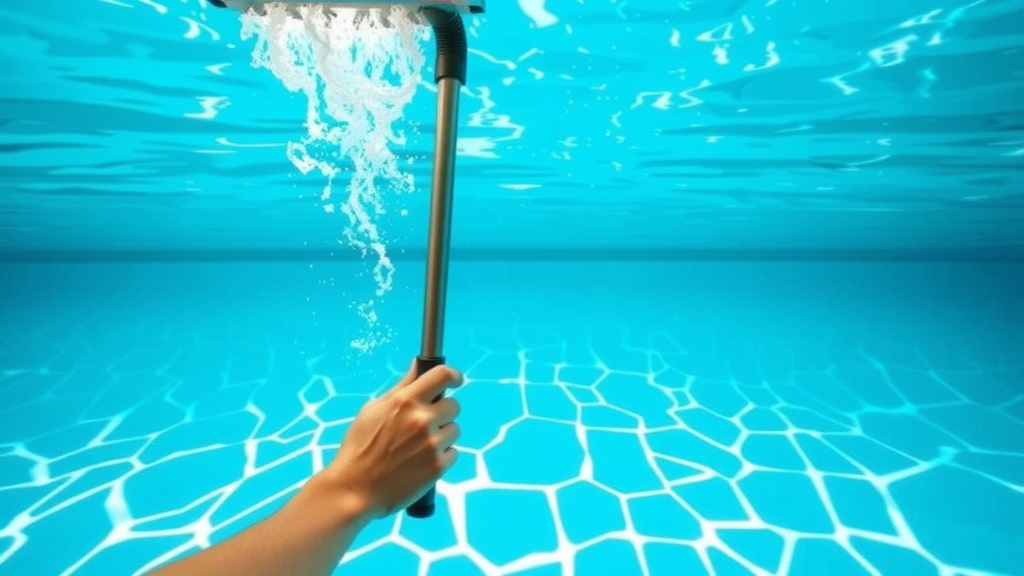
Once your waiting period is up, you can get back to vacuuming. Here are a few tips to make the process smooth and effective.
Test Your Water Chemistry First
Before you even think about vacuuming, test your pool water. You want to ensure the shock levels have returned to normal. High chlorine levels can be harmful to swimmers and your equipment. Most test kits will indicate if chlorine levels are too high. Your goal is to get back into the safe range, typically between 1-4 ppm (parts per million) for free chlorine (CDC).
Consider Your Vacuum Type
Are you using a manual vacuum, a robotic cleaner, or a suction-side cleaner? Most types will be fine once the shock has dissipated. However, if you’re using a manual vacuum and notice a lot of settled debris, you might want to vacuum slowly. This minimizes stirring up the fine particles that the shock might not have fully broken down.
A Simple Checklist for Your Post-Shock Routine
To make things easy, here’s a quick checklist for when you’re ready to vacuum after shocking your pool:
- Wait at least 12-24 hours.
- Run your pool pump continuously.
- Test your water chemistry for sanitizer levels.
- Ensure chlorine levels are back to normal.
- Vacuum slowly if you see settled debris.
- Monitor water clarity for improvement.
When to Seek Professional Advice
If your pool water remains cloudy or seems persistently unbalanced after shocking and waiting, it might be time to consult a pool professional. Sometimes, underlying issues like filter problems or incorrect chemical balances can prevent the water from clearing. They can help diagnose the problem and get your pool back into tip-top shape.
Conclusion
You’ve learned that waiting 12 to 24 hours after shocking your pool is key. This gives the sanitizer time to work its magic and properly sanitize your water. Rushing the process can lead to cloudy water and ineffective cleaning. By following this waiting period and testing your water chemistry before vacuuming, you ensure a safe and clear swimming experience. Always prioritize your pool’s health for enjoyable swimming all season long. Get ready to enjoy your sparkling clean pool!
Frequently Asked Questions
Can I vacuum my pool the same day I shock it?
Generally, no. You should wait at least 12 to 24 hours after shocking your pool before vacuuming. This allows the shock treatment to fully sanitize the water and break down contaminants.
What happens if I vacuum too soon after shocking?
Vacuuming too early can stir up sediment before the shock has neutralized it. This often results in cloudy water that is harder to clear. It can also mean the shock treatment is less effective.
Does the type of pool shock affect the waiting time?
While different shocks dissolve at varying rates, the recommended 12-24 hour waiting period is a safe general guideline. This ensures sufficient contact time for any shock type to work effectively and dissipate.
How do I know if the shock has dissipated enough to vacuum?
The best way to know is to test your pool water’s chlorine levels. Wait until the free chlorine levels have returned to the normal range (typically 1-4 ppm) before you begin vacuuming or swimming.
Should I run my pool pump continuously after shocking before vacuuming?
Yes, running your pool pump continuously after shocking is highly recommended. It helps circulate the shock treatment evenly throughout the water, making it more effective and speeding up the dissipation process.
![7 Best Hepa Vacuums For Allergies [2026]](https://bathroomexplorer.com/wp-content/uploads/2026/06/7-best-hepa-vacuums-for-allergies-2026-featured-768x432.jpg)