How Long Do Vacuums Really Last? Average Lifespan
A vacuum cleaner can last anywhere from 8 to 15 years on average. This lifespan depends heavily on the type of vacuum you own and how well you maintain it. Some high-end models might even last longer with proper care.
Your vacuum’s longevity isn’t just about luck; it’s about smart choices. Factors like build quality, the frequency of use, and performing regular maintenance play a huge role. We found that even budget-friendly vacuums can see extended life if you treat them right.
- 8-15 years is the typical lifespan.
- Quality and maintenance are key factors.
- Some vacuums can last even longer.
- Regular upkeep significantly boosts durability.
Let’s break down what makes a vacuum last longer and what you can do to get the most out of yours.
Your Vacuum’s Expected Lifespan
So, how long can you expect your trusty vacuum cleaner to stick around? We found that most vacuums are designed to last between 8 and 15 years. This is a pretty solid range! Think of it like a good pair of shoes; with proper care, they can serve you well for a long time.
Of course, some machines can defy these averages. If you’ve invested in a high-end model with robust construction, you might see it humming along for even longer. On the flip side, a budget-friendly option might have a shorter runway. But don’t despair! We found that consistent maintenance can truly extend the life of any vacuum.
Factors Influencing Vacuum Durability
What makes one vacuum outlast another? It’s a mix of several things, and thankfully, many of them are within your control. Let’s break down the key players in your vacuum’s longevity.
Build Quality and Materials
The materials used in your vacuum cleaner play a huge role. Vacuums made with durable plastics and sturdy metal components will generally hold up better over time. Cheaper models might use flimsier materials that can crack or break more easily. We found that inspecting the overall construction can give you a good hint at its potential lifespan.
Type of Vacuum Cleaner
Different vacuum types have different wear-and-tear profiles. Consider these common types:
| Vacuum Type | Typical Lifespan (Years) | Key Durability Factors |
|---|---|---|
| Upright Vacuums | 8-15 | Motor strength, brush roll durability, bag vs. bagless system. |
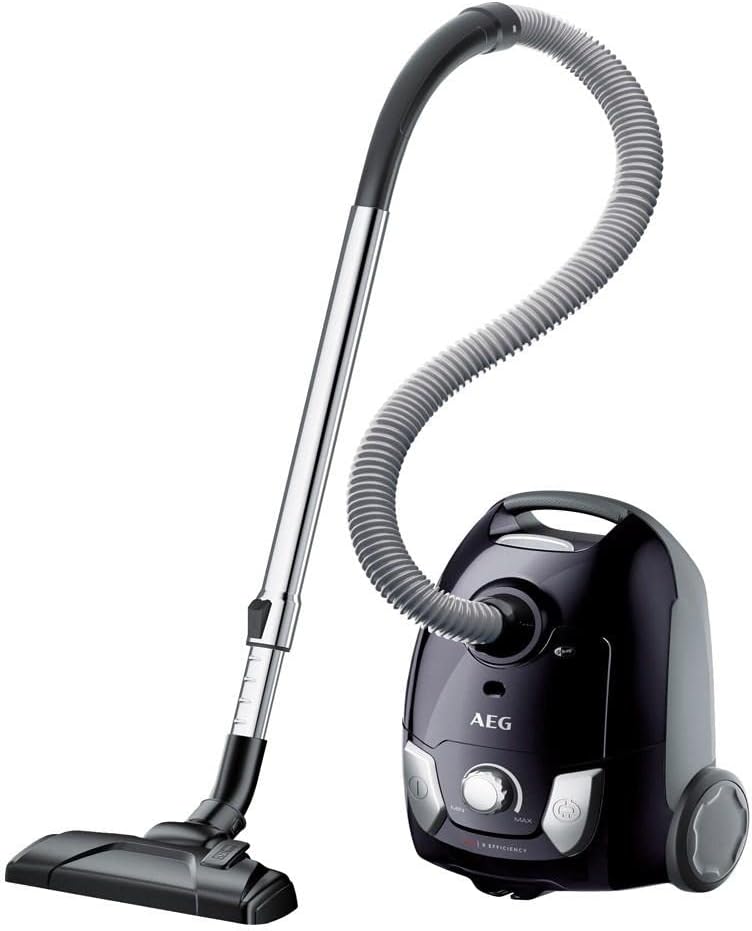
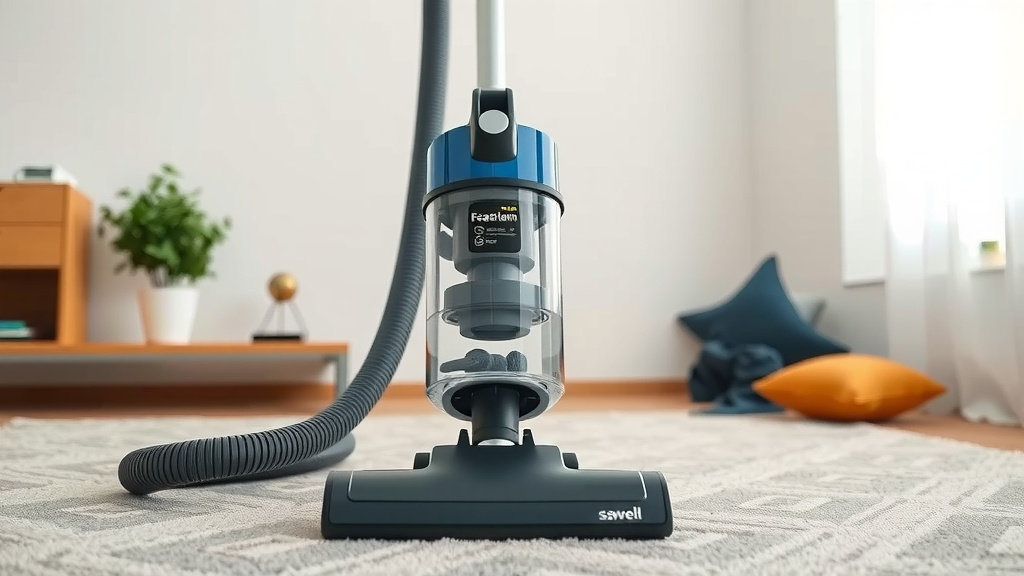
| Canister Vacuums | 10-18 | Hose flexibility, motor cooling, build of the canister body. |
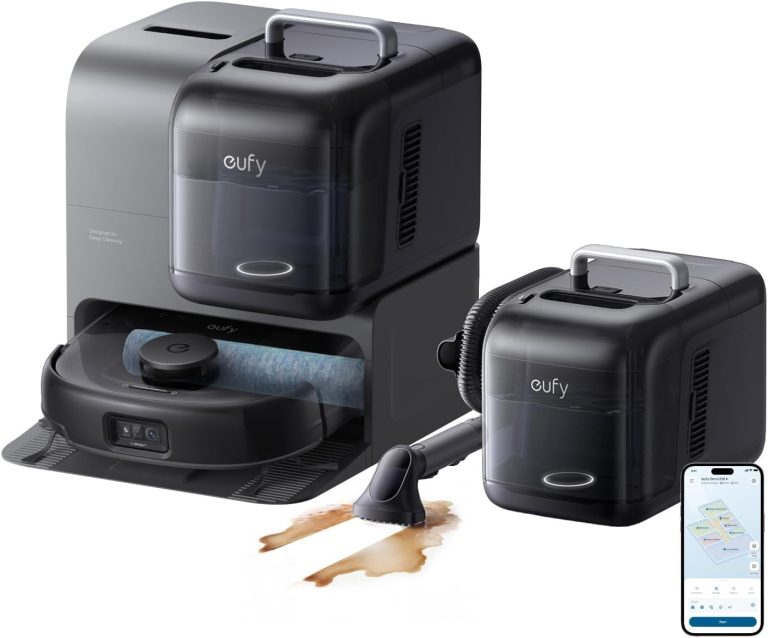
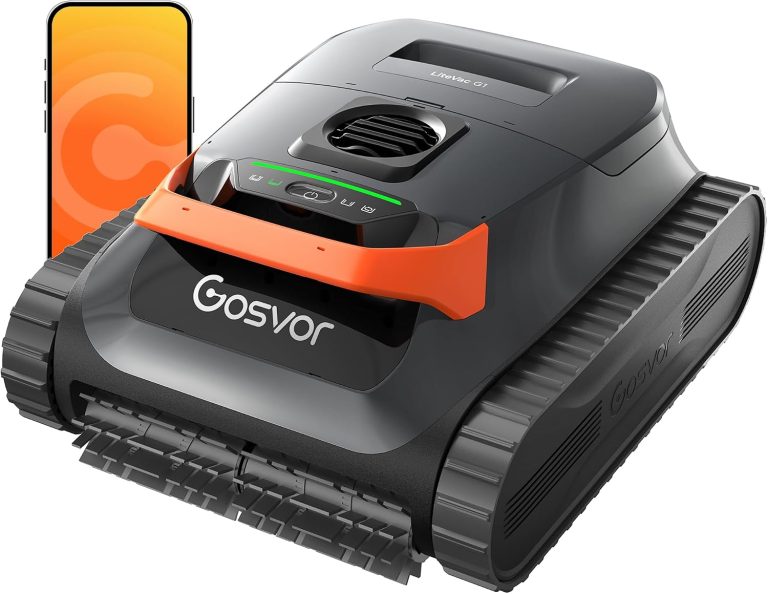
| Robot Vacuums | 4-8 | Battery life, sensor quality, brush wear, software updates. |
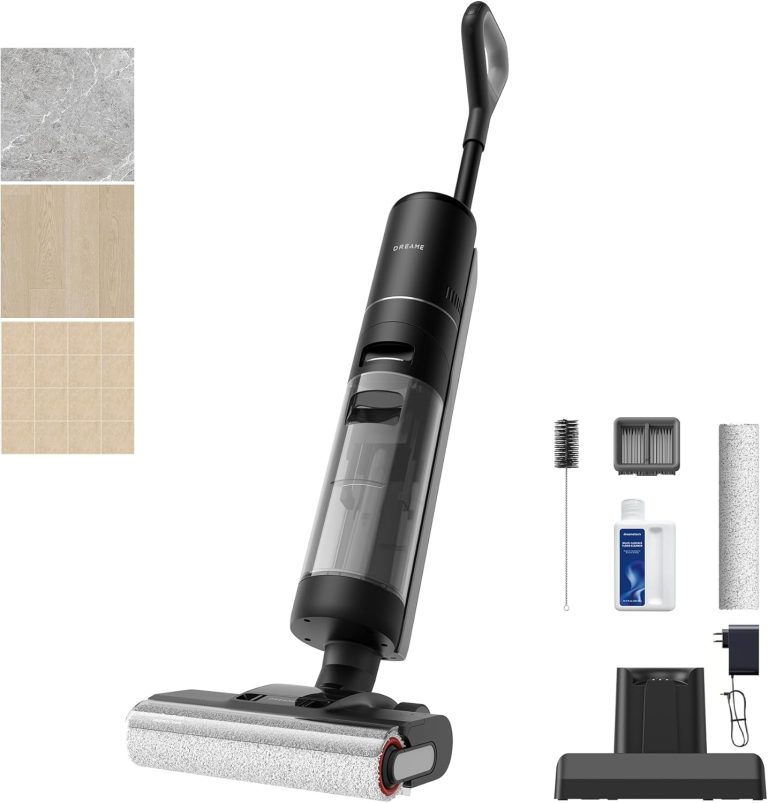
| Stick Vacuums (Corded/Cordless) | 5-10 | Battery health (cordless), motor efficiency, dustbin capacity. |
| Handheld Vacuums | 3-7 | Battery life (rechargeable), motor strain, charging port durability. |
As you can see, canister vacuums often boast the longest lifespans. Robot vacuums, with their complex electronics and moving parts, tend to have a shorter cycle, especially due to battery degradation.
Frequency and Intensity of Use
How often do you pull out your vacuum? If you clean your floors daily, especially in a busy household with pets or kids, your vacuum will likely see more wear and tear. We found that frequent, heavy-duty use will naturally shorten a vacuum’s life compared to occasional light cleaning.
Think of it like driving a car. If you drive cross-country every week, your car will experience more wear than someone who only drives to the grocery store. Your vacuum is no different!
The Power of Regular Maintenance
This is where you have the most power to influence your vacuum’s lifespan. Consistent, simple maintenance can prevent small issues from becoming big, costly problems. We found that preventative care is the secret weapon for a long-lasting vacuum.
Keeping the Filters Clean
Clogged filters are like a vacuum’s worst enemy. They restrict airflow, making the motor work harder. This can lead to overheating and premature motor failure. Many manufacturers recommend cleaning or replacing filters every 1-3 months, depending on usage.
Always check your vacuum’s manual for specific filter cleaning instructions. Some are washable, while others need to be replaced. This is a super simple step that pays huge dividends!
Emptying the Dustbin or Bag
Don’t wait until the vacuum is completely full to empty it. A full bin or bag also restricts airflow and makes the motor strain. We found that emptying the dustbin after each use, or replacing the bag when it’s about two-thirds full, is ideal.
This simple habit helps maintain optimal suction power and reduces stress on the motor. It also prevents unpleasant odors from developing!
Clearing Brush Rolls and Hoses
Hair, strings, and debris can easily get tangled around the brush roll. This obstruction can stop the brush from spinning effectively, further straining the motor. Regularly remove any tangled debris. A small pair of scissors often does the trick.
Similarly, check the hose and other pathways for blockages. A clear path for air means a happy motor. We found that a quick check for obstructions can prevent a lot of potential damage.
Checking and Replacing Belts (for some models)
If your vacuum has a belt that drives the brush roll, check it periodically for signs of wear or damage. A worn or broken belt won’t spin the brushroll effectively. Many upright vacuums use these belts, and they typically need replacement every 6-12 months. Your manual will tell you if your model has one and how to change it.
General Cleaning and Storage
Wipe down the exterior of your vacuum regularly. This keeps it looking good and prevents dust buildup in vents. When you’re done cleaning, store your vacuum properly. Avoid extreme temperatures or damp environments, which can damage internal components.
Think of it as tucking your vacuum into bed after a hard day’s work! A safe, dry spot is best.
When It Might Be Time for a New Vacuum
Despite your best efforts, even the most well-maintained vacuum will eventually reach the end of its road. Several signs might indicate it’s time for an upgrade.
Loss of Suction Power
If you’ve cleaned filters, emptied the bin, and checked for clogs, but your vacuum still lacks its former suction, it could be a sign of a worn motor or internal seal damage. We found that a consistent decrease in suction, despite your best cleaning efforts, is a major red flag.
Strange Noises or Smells
Does your vacuum sound like it’s grinding, whining excessively, or emitting a burning smell? These are serious indicators of internal motor problems or overheating. Don’t ignore these signs; they can be dangerous and point to a vacuum that’s on its last legs.
Frequent Breakdowns or Repairs
If you find yourself constantly needing to fix something on your vacuum, it might be more cost-effective in the long run to invest in a new one. We found that repeated repairs often signal that the machine is reaching its end-of-life cycle.
Your vacuum is an important tool for keeping your home clean and healthy. By understanding how long they typically last and what you can do to maintain them, you can ensure yours serves you well for many years to come!
Conclusion
You’ve learned that your vacuum cleaner can be a reliable workhorse for many years, typically between 8 and 15 years. Build quality and the type of vacuum you choose are big factors. But your own efforts matter most! Simple maintenance like cleaning filters and clearing brush rolls can drastically extend your vacuum’s life. Don’t wait for major issues. If you’re noticing a consistent dip in performance, it might be time to consider a new model. Your next step? Take 10 minutes today to check your vacuum’s filters and clear out any debris. Your machine will thank you!
Frequently Asked Questions
How often should I clean my vacuum’s filters?
We found that cleaning or replacing your vacuum’s filters every 1 to 3 months is a good rule of thumb. This frequency can vary based on how often you use your vacuum. Clogged filters make your vacuum work harder and reduce its lifespan.
Are more expensive vacuums really built to last longer?
Often, yes. Research shows that higher-end vacuums typically use more durable materials and stronger motors, which can contribute to a longer life. However, even budget models can last longer with diligent care and maintenance.
Will my robot vacuum last as long as a traditional vacuum?
Generally, no. Robot vacuums tend to have a shorter lifespan, usually around 4 to 8 years. Their complex electronics, sensors, and especially battery degradation can limit their longevity compared to simpler upright or canister models.
What’s the most important maintenance task for my vacuum?
Based on our research, keeping the filters clean is the most critical maintenance task. Dirty filters restrict airflow, causing the motor to overheat and fail prematurely. Regularly cleaning or replacing them is key for motor health.
Can I repair a vacuum that’s lost suction instead of buying a new one?
Sometimes! If the loss of suction is due to a clogged filter, full dustbin, or blocked hose, simple fixes can restore performance. However, if you’ve tried these steps and suction remains poor, it might indicate internal motor damage or seal wear, making a new vacuum a more cost-effective option.